Enhancing Crane Inspection Services With Technology Integration
Where Crane Inspection Technology Fits
Crane inspection technology has moved quickly. Drones put a camera on a tower crane jib without anyone climbing, tablets replace paper forms, and many newer cranes log operating data that used to be invisible. Used well, these tools help inspectors see more and document better.
What they do not do is change the rules. OSHA 29 CFR 1926.1412 still requires shift and monthly inspections by a competent person and annual/comprehensive inspections by a qualified person. Technology is a tool in that person's hands, not a substitute for them.
Drones for Hard-to-Reach Areas
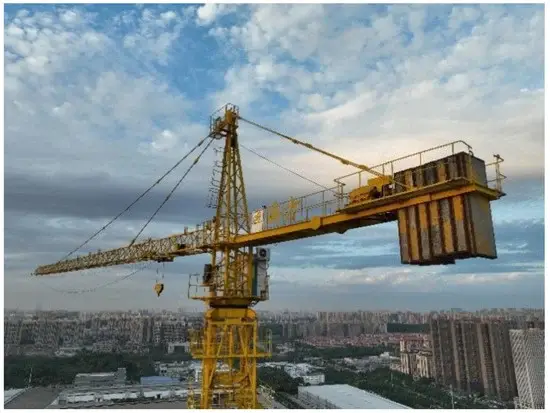
Tower crane jibs, lattice boom tips and the tops of tall structures are hard and sometimes risky to reach. A drone with a high-resolution camera can capture close-up images of sheaves, pins, welds and connections without putting someone at height.
What drones are good for
- Visual screening of areas above the reach of a manlift
- Before-and-after photos for repair records
- Reducing time spent climbing in poor weather
Limits to keep in mind
- A camera cannot measure wire rope diameter, feel play in a pin or check a brake
- Drone flights near cranes and job sites must follow FAA rules and site safety plans
- Anything suspicious still needs hands-on follow-up by the inspector
Digital Inspection Forms and Records
Switching from paper to tablet-based forms is one of the most practical upgrades a fleet can make. Benefits include:
- Required fields: the form will not close until every item is checked
- Photos attached to findings: a picture of the cracked weld travels with the report
- Time and location stamps: helpful when proving an inspection was done before work started
- Searchable history: spot repeat findings on the same machine
OSHA requires certain inspections to be documented and retained (monthly records for at least three months and annual records for at least 12 months under 1926.1412). Electronic records can meet that requirement as long as they are complete, retrievable and identify who performed the inspection. Make sure you can produce them on request, even if the job site has poor connectivity.
Telematics and Onboard Data
Many modern cranes record operating hours, load moment events, overload warnings, outrigger configuration and fault codes. Fleet telematics can send that data to the office.
For inspectors, this adds context. If a crane logged repeated overload alarms, the qualified person knows to look harder at the boom, hoist and structure. If hours climbed fast, the machine may be in severe service and need more frequent inspections.
One caution: a load moment indicator or rated capacity limiter is an operational aid, not a guarantee. These devices must be inspected and calibrated too, and operators still need to read the load chart.
Nondestructive Testing
Nondestructive testing (NDT) methods such as magnetic particle, dye penetrant and ultrasonic testing can find cracks that are too small to see. Electromagnetic wire rope testing can detect internal broken wires and corrosion on long rope runs.
NDT is usually targeted rather than routine. A qualified person may call for it on suspect welds, after an incident, during a major overhaul or when the manufacturer requires it. It is specialized work, so ask whether your provider does it in-house or brings in a certified NDT technician.
Measurement Tools That Improve Accuracy
Some of the most useful inspection technology is small and unglamorous. Wire rope gauges and calipers, sheave groove gauges, hook throat templates and digital inclinometers turn "looks fine" into a recorded number.
That matters because many rejection criteria are measurements. Wire rope diameter reduction, hook throat opening and wear on pins and bushings all have limits set by the manufacturer or the applicable ASME B30 volume. When the inspector records the actual value each time, you can see a trend and plan replacement before a component reaches its limit.
Laser measuring and 3D scanning are also showing up on larger cranes and in repair shops, mainly to check straightness of boom sections or alignment after a repair. These are specialist tools, but the principle is the same: measured data beats a guess.
Questions to Ask About a Provider's Technology
If an inspection company advertises drones, software or sensors, ask how they actually use them:
- Who reviews the drone footage, and are they a qualified crane inspector?
- What happens when an image shows a possible defect? Is there a hands-on follow-up?
- What format will the report arrive in, and can you export it for your own records?
- How long do they keep your inspection data, and who can access it?
The right answers show technology supporting the inspector, not replacing them.
Adopting New Tools Without New Gaps
Technology helps only if your people use it consistently. A few guardrails:
- Keep the checklist anchored to the manual. Digital forms should reflect the manufacturer's inspection items, not a generic template.
- Train before you roll out. Inspectors and operators need to know how the app or drone works before the first busy week.
- Protect the data. Control who can edit records and back them up.
- Keep a paper fallback. Dead tablets and dropped connections should never stop a shift inspection.
Safety managers can cover inspection planning and documentation in our Managing Crane Safety Class.
The Human Part Still Matters Most
Every tool on this list produces information. Deciding whether a finding is a safety hazard, whether the crane comes out of service and what repair is acceptable is still a judgment call by a competent or qualified person.
Our crane inspection services are performed by NCCCO certified crane inspectors for mobile, tower, buck hoist, overhead and articulating cranes. To see how technology fits into the broader picture of crane safety, read the latest technology in crane safety, or see our crane inspection best practices for the program behind the tools.
Questions about scheduling an inspection? Reach out to us.
FAQ
Can a drone inspection replace an annual crane inspection?
No. A drone can support the inspection with images, but the annual/comprehensive inspection must be performed by a qualified person who checks items a camera cannot, such as brakes, wear measurements and function tests.
Are electronic crane inspection records acceptable?
Generally yes, as long as the records are complete, identify the inspector and can be produced when requested. Keep them at least as long as OSHA requires for each inspection type.
Do overload alarms in the crane's data mean it must be taken out of service?
Not automatically, but they should be reported and reviewed. A qualified person should decide whether further inspection is needed before the crane continues working.