- Duration2 days (qualification) or 3 days (with practical)
- Exams includedWritten and practical rigging exams
- Best forRiggers, ironworkers, crane crews and maintenance staff
- LevelsRigger Level I and Level II
The Person Who Connects the Load Matters as Much as the Operator
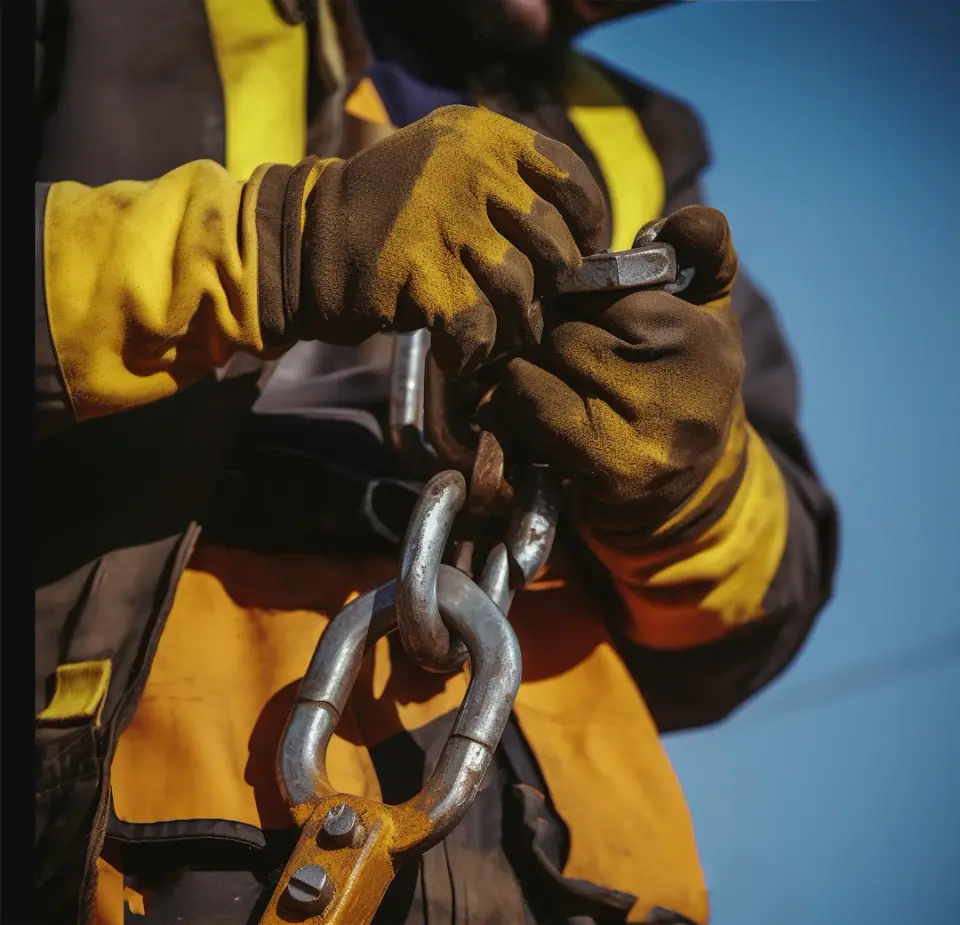
A rigger attaches the load to the crane: choosing slings and hardware, figuring weight and center of gravity, and making the hitch that keeps the load under control. When rigging fails, the crane operator usually has no chance to save the pick. This program provides rigger certification training for people who do that work, whether rigging is their full-time job or a skill they use as an ironworker, electrician, millwright, carpenter or maintenance tech.
OSHA's crane rule for construction (29 CFR 1926 Subpart CC) requires qualified riggers for certain rigging tasks, such as assembly and disassembly work and whenever workers are within the fall zone while hooking, unhooking or guiding a load. Many employers go further and ask for third-party certification.
Qualified vs. Certified: Two Routes Through the Same Class
In-house qualification
OSHA lets an employer determine that a rigger is qualified. Our training supports that process: participants who pass a written and a practical test receive a qualification card stating they have met the requirements referenced in OSHA 1926 Subpart CC. This is a good fit for companies that want documented, consistent training for their crews.
NCCCO certification
The class also prepares you for the NCCCO Rigger Level I and Level II written and practical exams. A CCO card is portable from employer to employer and is valid for five years. Qualification holders can upgrade to Level I at any time; once you pass the written exam, you have a year to pass the practical, so it is best to take both together or tackle the practical first.
Rigger Level I vs. Level II
Rigger Level I is for people who handle routine, repetitive rigging tasks once the weight and center of gravity are known. A Level I rigger should be able to inspect rigging before use, select and attach it correctly for basic hitches, and recognize hazards. Level I is the most common starting point.
Rigger Level II goes further. Level II riggers are expected to work out load weights and centers of gravity themselves, plan more complex rigging, and handle less routine lifts. If you already lead rigging crews or plan picks, ask us whether to test for Level II directly. Our overview of rigger and signalperson training explains how the roles fit together on a lift.
What You Will Practice
The class covers slings, hardware, lifting devices and the rigging of loads. Specific topics include:
- Estimating load weight and locating the center of gravity
- Sling types (wire rope, chain, synthetic web and round slings) and their capacities
- Hitch configurations and how sling angle reduces capacity
- Shackles, hooks, eyebolts, spreader and lifting beams, and below-the-hook devices
- Inspection criteria and removal-from-service conditions for rigging gear
- Tag lines, load control and working around the fall zone
- Communication with the operator and signalperson
- OSHA and ASME requirements that apply to rigging
Hands-on time puts this into practice with real gear, so you are not seeing a choker hitch or a sling-angle problem for the first time on exam day.
How the Class Is Scheduled
Open-enrollment rigger classes run several times a year at our Seffner, Florida facility, and the dates are listed on this page and on the class calendar. The scheduled sessions run three days and include written and practical exams.
How you use those days depends on your goal. The qualification class is two days of training and testing. The certification option adds a third day dedicated to practical exams. Rigger and signalperson classes are often scheduled in the same week, which makes it easy for a crew member to pick up both credentials in one trip; see the signalperson program for details.
Published Prices
From our online store:
- 2-Day Rigger Qualification Class: $425
- 2-Day Rigger Recertification Class: $425
- Rigger Only Certification (with Practical), 3 days: $1,375
Group and on-site pricing for companies is quoted separately.
Mistakes We Spend Time Correcting
Experienced hands come to class with habits that work most days and fail on the bad one. The issues we see most often are worth naming:
- Guessing at load weight instead of confirming it from drawings, nameplates or calculations
- Ignoring sling angle, so a two-leg bridle is loaded far beyond what the sling tag suggests
- Side-loading shackles or hooks in ways the hardware was never rated for
- Skipping the pre-use inspection on slings that "looked fine yesterday"
- Standing in the fall zone to steady a load by hand rather than using a tag line
Each of these shows up in the written exam in some form, and the practical rewards riggers who slow down and check. Fixing them in class is far cheaper than learning them on a job.
Bring It to Your Site
Rigging is one of the easiest programs to deliver at an employer's facility, because the gear your people use every day becomes the training material. We can train a crew on-site and our accredited rigging practical examiners can administer the CCO practical exams there as well. Use our company contact form to describe your crew size and the kind of lifting you do.
Getting Registered
Bring a hard hat, hard-toe boots, gloves and work clothes, along with a government-issued photo ID and a valid driver's license. Out-of-town students can ask about our negotiated hotel rate near the school.
Complete the form on this page and select the Rigger Qualification / Certification Program, or call (813) 402-2017. Let us know whether you are after a qualification card, Level I, Level II, or a renewal.