

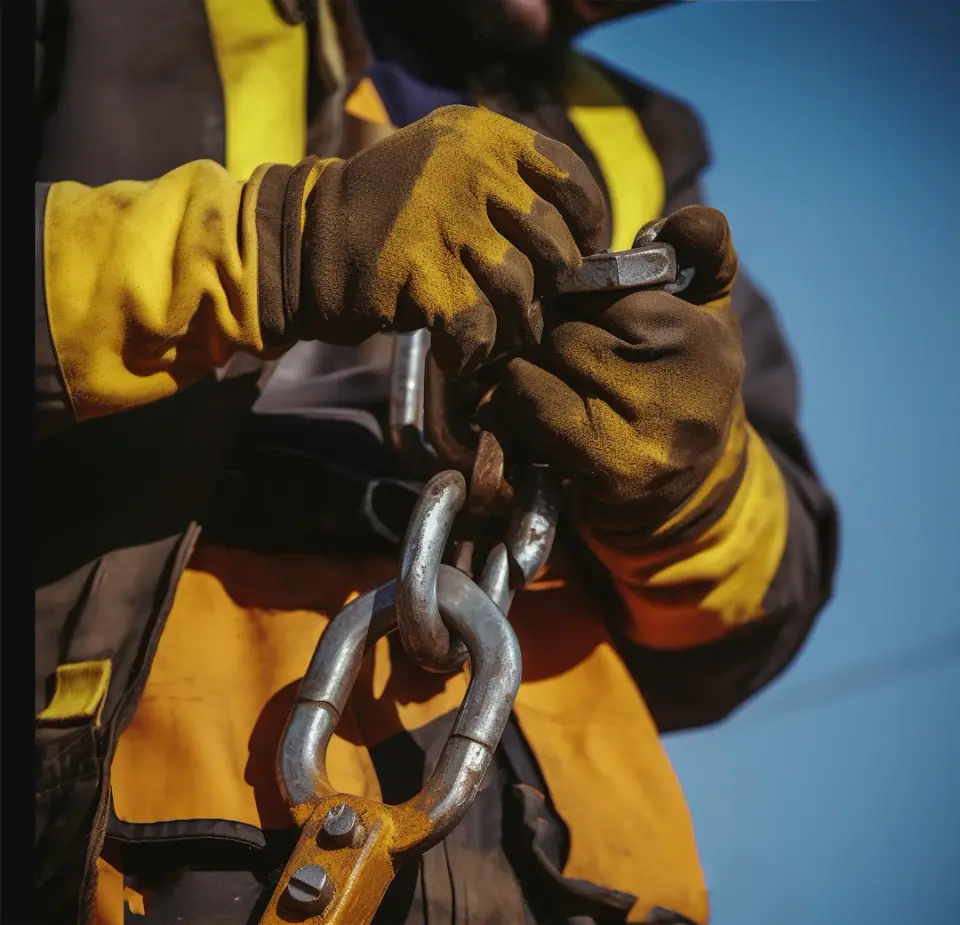
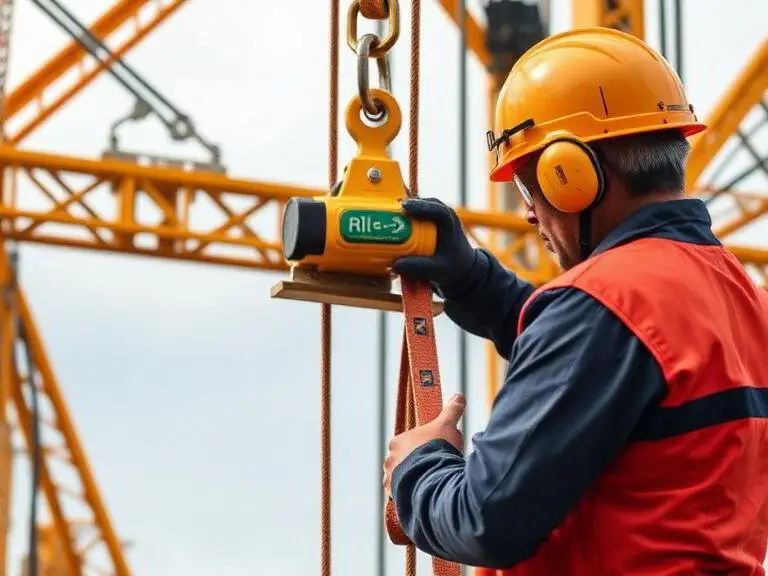
Students attaching slings and shackles to a load during a rigger qualification class
Rigger Qualification

2-Day Rigger Qualification Class

Two days of rigging fundamentals and hands-on practice for workers who need a rigger qualification under OSHA's crane rules.

$425 Tuition per student

Duration: 2 days

Request enrollment and our office will confirm your seat and payment options.

What's included

  • Classroom instruction on rigging hardware, hitches and load weights
  • Hands-on rigging practice in the yard
  • Written and practical tests
  • Qualification card for those who pass, referencing OSHA 1926.1400

Rigging Basics in Two Days

The 2-day rigger qualification class covers what a rigger needs to attach and control loads safely. OSHA's construction crane rules call for a qualified rigger for certain work, and this class is built around that requirement. It is a good fit for new riggers, crane crew members and workers whose employer needs documented rigging qualification.

Topics Covered

  • Estimating load weight and finding the center of gravity
  • Selecting and inspecting slings, shackles, hooks and other hardware
  • Hitch types and how sling angles affect capacity
  • Recognizing rigging hazards and when to stop a lift
  • Working with the operator and signalperson

You practice these skills with real loads in our Seffner, Florida, training yard.

Qualification vs. Certification

Riggers who pass the written and practical tests receive a qualification card stating they have met the requirements of OSHA 1926.1400. This is not an NCCCO certification. If you want the NCCCO credential, see Rigger Only Certification (with Practical). Full details are on the rigger program page.

Why Rigging Training Pays Off

Many crane incidents start below the hook: a sling rated for less than the load, a shackle pin not fully seated, a hitch that lets the load shift. A rigger who can spot those problems before the lift protects everyone on the ground. Companies that need several workers qualified can also ask about on-site delivery at their own facility. For a broader look at the topic, read our post on essential rigger and signalperson training.

Enrolling

Pay for your seat in the Enroll & Pay Online box on this page, or send the enrollment request form if your employer needs an invoice; either way the office confirms your class date. Bring hard-toe footwear, a hard hat, gloves, work clothes and a photo ID.
Frequently Asked Questions

Do I need rigging experience?

No. The class starts with fundamentals and is suitable for new riggers.

Will I be NCCCO certified after this class?

No. You receive a qualification card. NCCCO certification requires passing NCCCO's written and practical exams.

The Crane School

Training Programs & Services

All programs are delivered in compliance with current OSHA regulations.

Mobile Crane Operator Certification Prep Program

For experienced operators ready to certify or recertify. Includes NCCCO TSS, TLL and LAT written and practical exams.

Learn more about Mobile Crane Certification Prep

Initial Mobile Crane Operator Training Program

For people with little or no crane experience. 3-week (TSS/TLL) and 5-week (adds LAT) programs with NCCCO exams.

Learn more about Initial Mobile Crane Training (3 & 5 Week)

Articulating Crane Operator Certification Prep Program

For knuckle-boom operators. Prepares you for the NCCCO ABC, ABL and ABW written and practical exams.

Learn more about Articulating Crane Certification Prep

Rigger Qualification / Certification Program

For personnel who rig loads to cranes — supports your rigger qualification and NCCCO Rigger Level I/II exams.

Learn more about Rigger Level 1 & 2

Signalperson Qualification / Certification Program

Standard hand and voice signals for directing cranes, plus preparation for the NCCCO Signalperson exams.

Learn more about Signalperson

Managing Crane Safety Class

For managers and supervisors: OSHA compliance, lift planning, inspections, certification and liability.

Learn more about Managing Crane Safety

Telehandler Operator Program

Certification or recertification for telehandler operators. Includes the NCCCO THO written and practical exams.

Learn more about Telehandler Operator

Crane Inspection Services

Annual, monthly, post-assembly and post-incident inspections plus load testing by NCCCO-certified inspectors.

Learn more about Crane Inspections

Related Reading

Crane Operator Practice Test

Ten quick questions on crane safety rules and NCCCO basics. Pick one answer per question — your score shows on the next page.

1. Which OSHA standard covers cranes and derricks used in construction?
2. How long is an NCCCO crane operator certification valid before recertification?
3. What does NCCCO stand for?
4. Under OSHA's current construction crane rule, operator certification must be obtained by:
5. Under OSHA Table A (1926.1408), what is the minimum clearance from power lines rated up to 50 kV?
6. When is a signal person required?
7. Whose emergency stop signal must a crane operator obey?
8. What does an anti-two-block device prevent?
9. Which document gives a crane's rated capacity for a given boom length and radius?
10. Which NCCCO designation covers telescopic boom cranes with a swing cab?