Rigger and Signalperson Training: The Essential Details
Two Roles, One Lift Team
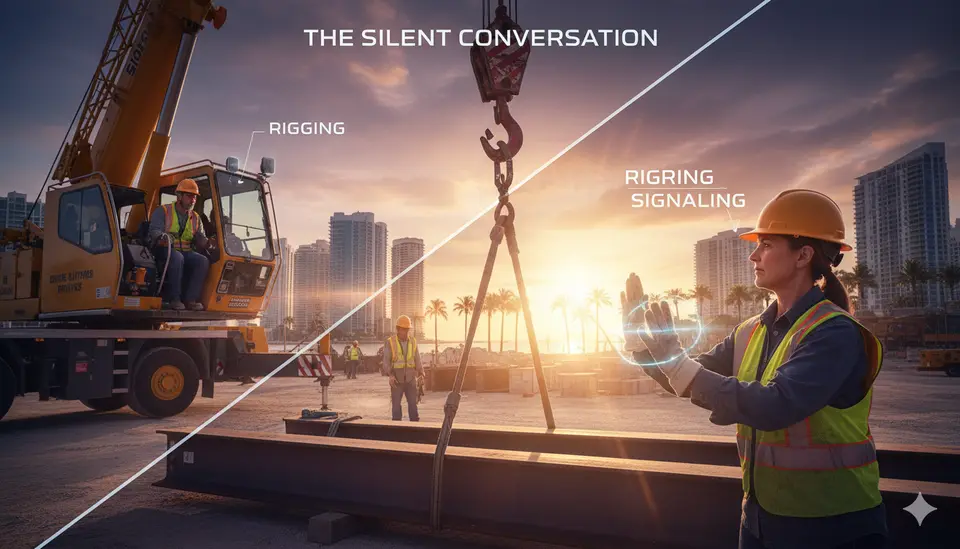
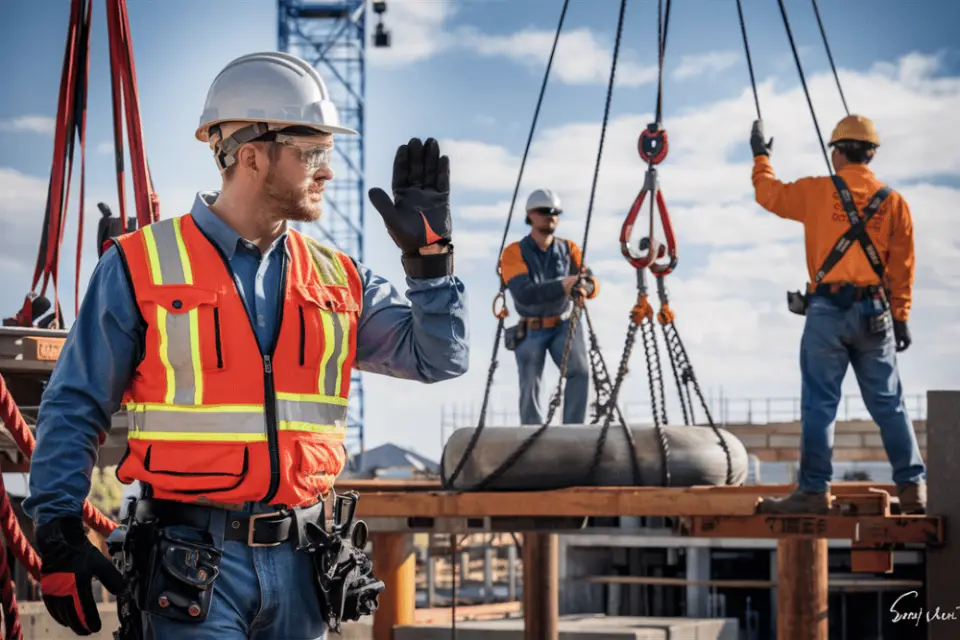
Every crane pick depends on people on the ground. The rigger selects and attaches the gear that holds the load. The signalperson directs the operator when the operator cannot see the load or its path. On many crews, the same person does both jobs within a single shift.
That overlap is why so many employers schedule rigger and signalperson training together. This article lays out what each course covers, how they compare, and how to plan them for yourself or a crew.
What Rigger Training Covers
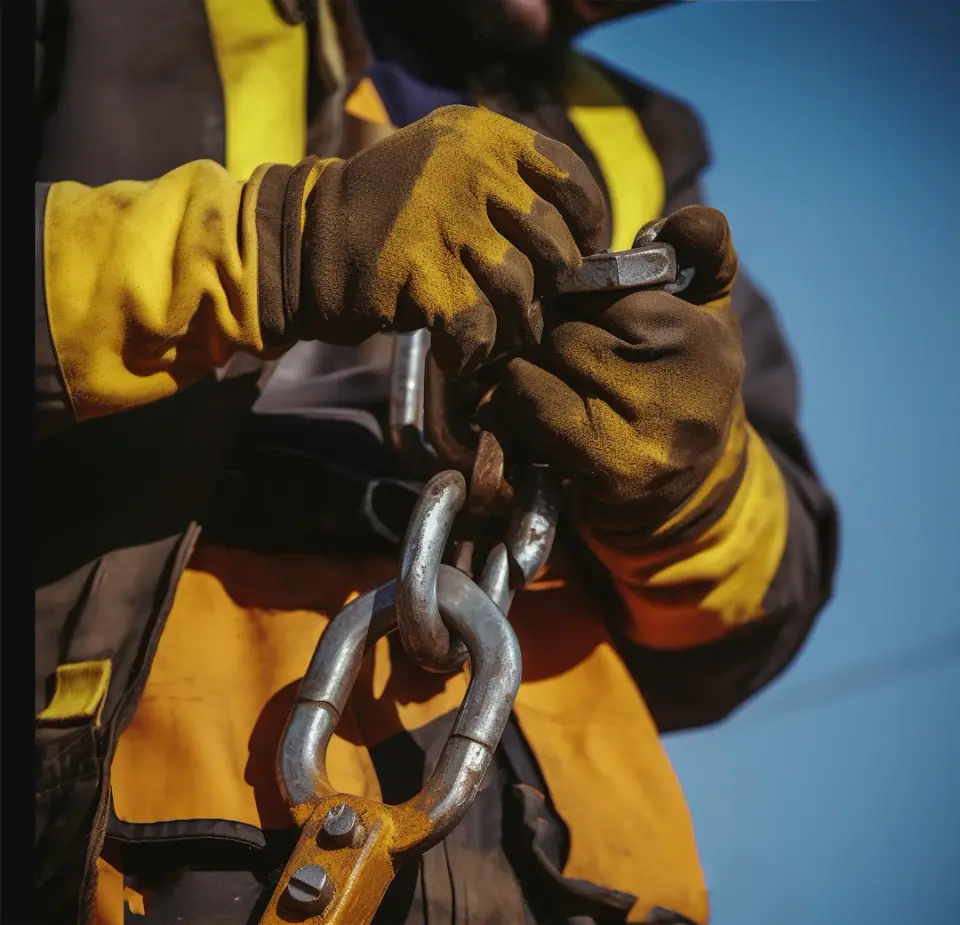
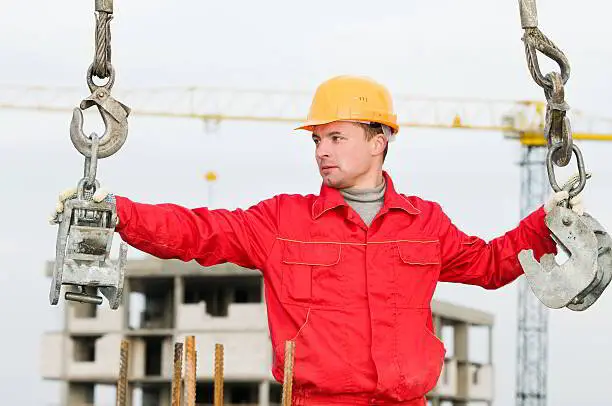
Rigger courses focus on the load and everything between it and the hook. Core topics include:
- Inspecting slings, shackles, hooks and other hardware, and removing damaged gear from service.
- Choosing a hitch (vertical, choker or basket) and knowing how each affects capacity.
- Estimating load weight and locating the center of gravity.
- Calculating how sling angles increase tension on each leg.
- Recognizing hazards such as sharp edges, unstable loads and pinch points.
NCCCO offers two rigger certifications. Rigger Level I covers basic, repetitive rigging tasks where the weight and center of gravity are known. Rigger Level II adds the judgment to estimate those values yourself and handle more complex rigging. Each level has its own written and practical exam.
What Signalperson Training Covers
Signalperson courses focus on communication and awareness. You will learn:
- The standard hand signals for mobile, tower and overhead cranes, including stop and emergency stop.
- Voice signal procedures over radio, with clear identification of crane, function and direction.
- Basic crane dynamics, such as boom deflection and load swing.
- Where to stand, how to keep the fall zone clear and when to halt a lift.
NCCCO Signalperson certification requires passing a written exam and a practical exam in which you direct a crane through specific tasks.
How the Two Programs Compare
Here is how The Crane School's options line up. Prices are as listed in the online store.
Rigging
- 2-Day Rigger Qualification Class: $425
- Rigger Only Certification with Practical: 3 days, $1,375, with the practical exam on day three
- 2-Day Rigger Recertification Class: $425
Signaling
- Signal Person Qualification: 2 days, $425, no practical exam
- Signal Person Only Certification with Practical: 3 days, $1,375, with the practical exam on day three
The structure is parallel on purpose. A qualification class supports an employer's internal process. A certification class prepares you for NCCCO exams, which produce a portable credential.
Why Training Both Makes Sense
Learning to rig makes you a better signalperson, and the reverse is true too.
A rigger who understands signaling knows what the operator needs to hear before the load leaves the ground. A signalperson who knows rigging can spot a bad hitch or a shifting load and stop the lift before it becomes an incident.
For employers, cross-training gives you flexibility. When one person is out, another can step in without the job waiting. It also simplifies documentation: OSHA expects qualified riggers for certain work under 1926.1404 and 1926.1425, and qualified signal persons under 1926.1428. Training the same people for both covers both requirements.
A shared vocabulary
Cross-training also gives the crew a common language. When the rigger, the signalperson and the operator all learned the same signals and the same pre-lift checks, the job briefing goes faster and there is less room for a misunderstanding. The rigger knows to report the load weight and sling configuration. The signalperson knows to confirm it before giving the first hoist signal. The operator hears a consistent plan instead of three versions of it.
Who Usually Takes These Classes
- Laborers and apprentices moving into crane crews.
- Ironworkers, millwrights, electricians and pipefitters who rig loads as part of their trade.
- Crane operators who want to understand the ground side of the lift, or who need to step out of the cab and signal on occasion.
- Foremen and safety staff who oversee lifts and want firsthand knowledge of what they are checking.
If you are just starting out, see our article on the benefits of rigger certification for how these credentials fit a career path.
OSHA Expectations Behind Each Role
Training is not just a resume line. Federal rules assign specific work to qualified people.
Riggers
Under 1926.1425, when workers are hooking, unhooking or guiding a load, or making the initial connection of a load to a structure within the fall zone, the materials must be rigged by a qualified rigger. Under 1926.1404, rigging during crane assembly and disassembly must also be done by a qualified rigger. OSHA defines "qualified" by knowledge, training and experience; NCCCO certification is one well-recognized way to show it, though OSHA does not require third-party rigger certification.
Signalpersons
Under 1926.1428, signal persons must be qualified by a third-party qualified evaluator or by the employer's qualified evaluator before they give signals. NCCCO certification falls into the third-party category.
For more on the regulations, see our overview of OSHA rigging and signaling requirements.
Planning Your Schedule
Most students take one class at a time, but they can be stacked over consecutive days if dates line up. Check upcoming dates on each program page, or ask about a combined on-site session for your crew.
Bring hard-toe boots, a hard hat, gloves, work clothes and a government-issued photo ID. Training materials and handouts are provided. Students traveling to Seffner can ask about the school's negotiated hotel rate.
Details on each program are on the Rigger Qualification and Certification Program and Signalperson Qualification and Certification Program pages.
Talk to Us About Your Crew
Whether you are training one person or twenty, contact The Crane School or call (813) 402-2017 to plan rigging and signaling classes that fit your schedule.
FAQ
Can I take rigger and signalperson classes back to back?
Yes, if the dates line up. Employers can also arrange on-site sessions that cover both for a crew.
Do I need rigger certification before signalperson certification?
No. They are separate NCCCO certifications with their own exams, and you can earn them in either order.
What is the difference between Rigger Level I and Level II?
Level I covers basic, repetitive rigging when load weight and center of gravity are known. Level II adds estimating those values and handling more complex rigging.