How NCCCO Certification Works
The National Commission for the Certification of Crane Operators (NCCCO) is an independent, nonprofit organization formed in January 1995. It writes and administers the exams and issues the cards; it does not train anyone. That separation is deliberate, so the assessment stays objective. Training providers like The Crane School prepare candidates for NCCCO certifications and schedule the exams, but the credential itself comes from NCCCO.
Every CCO designation follows the same basic pattern: a written exam that checks knowledge and a practical exam that checks hands-on skill. You must pass both, and you need to meet NCCCO's eligibility rules, which include being at least 18, complying with its substance abuse policy, and following its code of ethics. Once certified, the card names each designation you hold.
For construction work, OSHA's crane standard (29 CFR 1926.1427) requires operators to be certified, and certification is by crane type, not capacity. Your card has to match the equipment you run.
Mobile Crane Operator: TSS, TLL and LAT
The mobile crane program is the best known of the CCO credentials. The written side is a core exam everyone takes, plus a specialty exam for each crane type. The practical is taken on the matching crane.
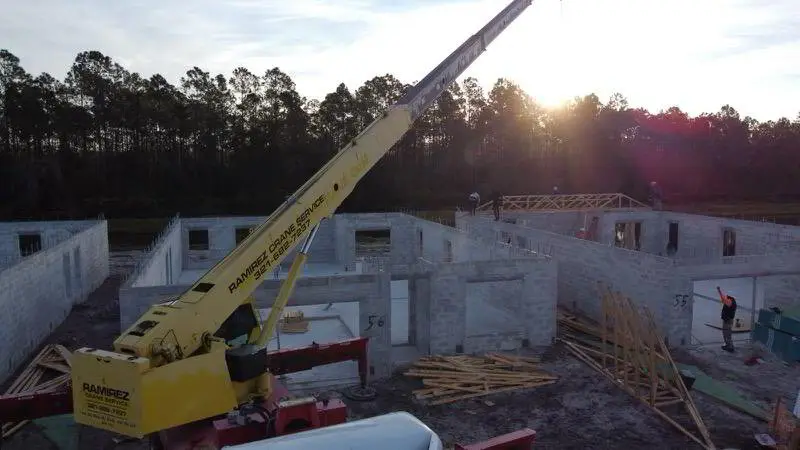
- TSS (telescopic boom, fixed cab): smaller hydraulic cranes where the operator's station does not rotate with the boom, such as many boom trucks.
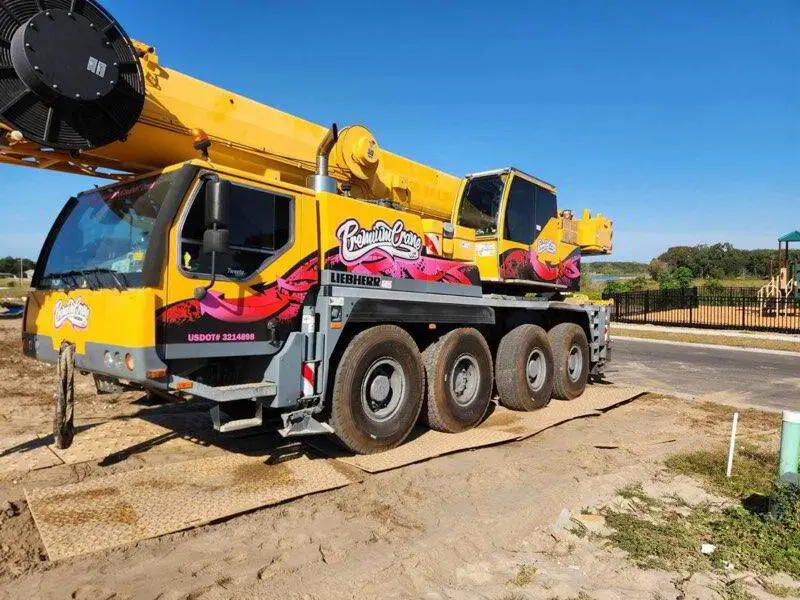
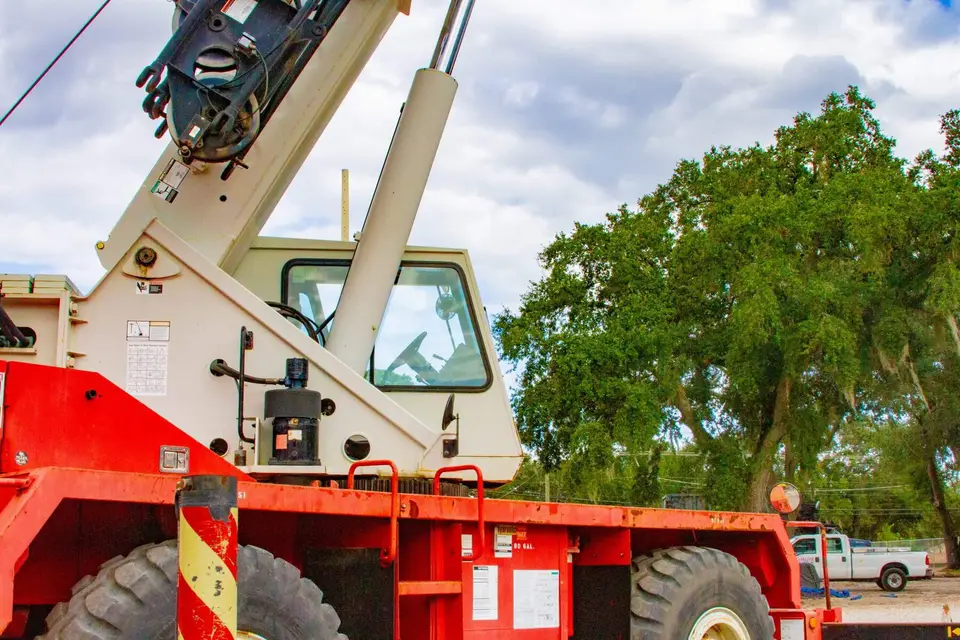
- TLL (telescopic boom, swing cab): hydraulic truck cranes and rough-terrain cranes with a cab that swings with the upper.
- LAT (lattice boom, crawler and truck): cranes with a built-up lattice boom, common on heavy and long-reach work.
New operators usually train for these through the initial mobile crane operator program, three weeks for TSS and TLL or five weeks to add LAT. Experienced operators and those renewing use the four-day mobile crane certification prep, held monthly with practical and written exams built in.
Articulating Crane: ABC, ABL and ABW
Knuckle boom equipment has its own designations:
- ABC (Articulating Boom Crane): articulating cranes that lift with a hook.
- ABL (Articulating Boom Loader): articulating machines using a grapple, clamshell or similar attachment.
- ABW (Articulating Boom Crane with Winch): a written exam for articulating cranes that use a winch and hoist line, paired with the ABC practical.
Written exams provide an on-screen calculator, and you can take either the written or the practical first. Passing the written exam of your choice and at least one corresponding practical earns a five-year certification. See the articulating crane certification prep page for exam combinations.
Rigger Level I and Rigger Level II
NCCCO certifies riggers at two levels. Rigger Level I covers routine rigging tasks when load weight and center of gravity are provided: inspecting gear, selecting and attaching it correctly, and recognizing hazards. Rigger Level II adds the ability to determine weights and centers of gravity, plan more complex rigging and handle less routine lifts. Both require written and practical exams and are valid for five years.
Some employers need a qualified rigger rather than a certified one; OSHA allows either for its rigging requirements. Our rigger qualification and certification program supports both routes, including a 2-day qualification class and a 3-day certification option with the practical.
Signalperson
OSHA 1926.1428 requires anyone signaling a construction crane to be qualified. The CCO Signalperson certification is a third-party way to meet that requirement. The written exam checks knowledge of standard signals and crane operations, and the practical asks the candidate to give hand signals and voice commands across a series of scenarios while demonstrating an understanding of crane dynamics.
The signalperson program runs as a 2-day qualification class or a 3-day class with the practical exam on the last day.
Telehandler Operator (THO)
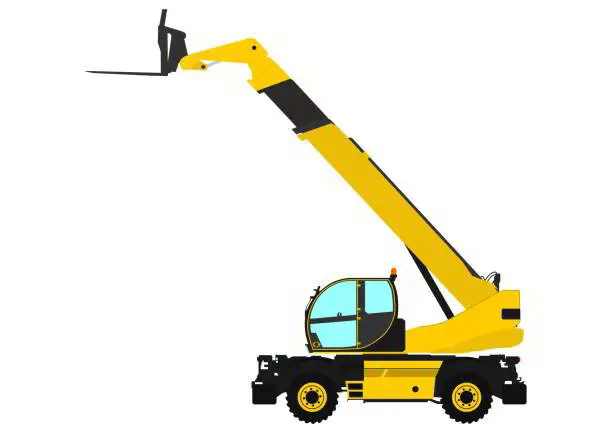
The THO designation covers telescopic handlers. Candidates take one written exam and a practical on either a fixed or a rotating telehandler. Passing the rotating practical means you do not also need the fixed one. Our telehandler program prepares operators for first-time certification and renewal; open-enrollment dates are pending, and on-site training is available for employers.
Validity, Renewal and Keeping Your Card Active
CCO certifications are generally valid for five years. To keep a designation, you recertify before the card expires. Recertification includes a written exam for each designation, and NCCCO sets requirements for operating experience or a practical exam; check its current recertification rules for your situation.
Timing matters. We recommend enrolling during the final year of your certification so there is no lapse. When you recertify early within that window, NCCCO adds the new five years onto your original expiration date, so you do not lose time by planning ahead.
After passing, cards typically arrive in the mail within three to five weeks, and results usually appear sooner in the MyCCO app. If you have questions about a failed exam, NCCCO Testing Services can be reached at 727-449-8525; training providers only see whether a candidate passed.
How to Verify a CCO Card
Employers, safety managers and general contractors often need to confirm that an operator's card is genuine and current, and that it covers the crane on site. NCCCO runs a public lookup at verifycco.org (opens in a new tab), where you can enter the details printed on a card to see which designations a person holds and when they expire.
A few practical checks when you verify:
- Match the designation to the equipment. A TSS card does not cover a lattice boom crawler.
- Check the expiration date, not just the issue date.
- For riggers and signalpersons, confirm whether the person holds a CCO certification or an employer qualification, and keep the documentation either way.
Certified operators can also show their status digitally through the MyCCO app.
Picking the Right Starting Point
If you are new to cranes, start with the initial mobile crane program. If you already operate, go straight to the certification prep for your equipment type. Ground crews generally begin with rigger and signalperson credentials, and supervisors who oversee lifts benefit from the managing crane safety class, which is a knowledge course rather than a certification. Official exam outlines and candidate handbooks are published at nccco.org (opens in a new tab). For a side-by-side comparison of formats, lengths and audiences, see our training programs overview.