- Exams includedNCCCO THO written and practical
- Best forTelehandler operators certifying or recertifying
- Practical optionsFixed or rotating telehandler
- StatusOpen-enrollment dates to be announced; on-site available
A Machine That Does a Bit of Everything
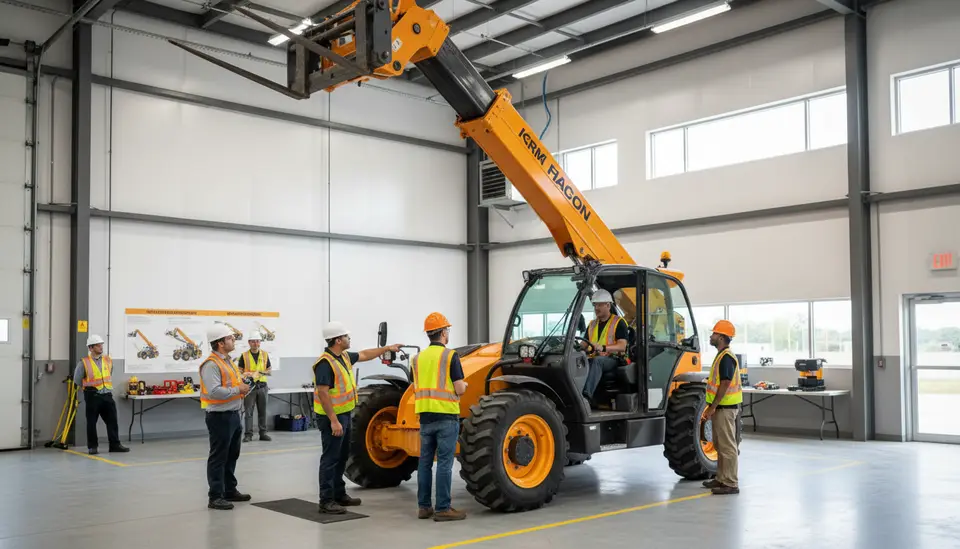
Telehandlers, also called telescopic handlers, reach forklifts or variable-reach forklifts, have become standard equipment on construction sites, in agriculture and in industrial yards. They pick pallets of block, set trusses, feed material to upper floors and, with the right attachment, lift suspended loads. That versatility is also what makes them easy to misuse.
NCCCO's Telehandler Operator (THO) program offers telehandler certification that verifies an operator understands the machine's load charts, stability limits and attachments. This program prepares you for the THO written and practical exams, whether you are certifying for the first time or recertifying a card that is coming due.
Who This Program Fits
The course is aimed at people who already run telehandlers at work and want an independent credential to show for it, plus companies that want a consistent standard across their operators. Many employers now ask for third-party certification on telehandlers even where it is not mandated, because it gives them documented proof of competence.
If you have never operated any kind of lift truck, tell us when you inquire. We will talk through how much seat time you should get before attempting the practical exam.
Fixed and Rotating Telehandlers
NCCCO offers the THO practical exam on two machine types:
- Fixed telehandlers: the common style, where the boom and cab stay aligned with the chassis and the machine is steered to place the load.
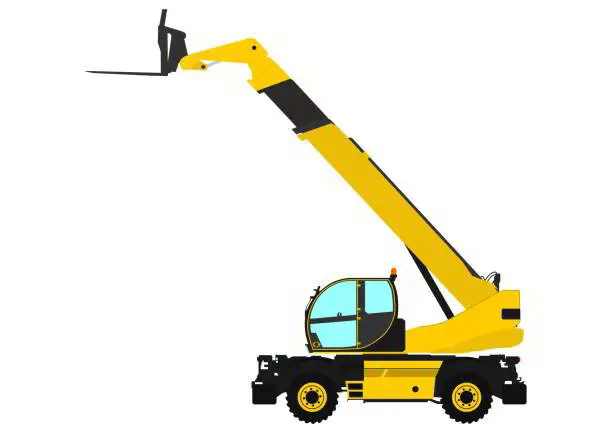
- Rotating telehandlers: machines with an upper that slews on the chassis, much like a small crane, often with stabilizers.
Candidates who pass the rotating telehandler practical are not required to also take the fixed telehandler practical. If your fleet includes both, testing on the rotating machine may cover you. Everyone takes the same THO written exam. Confirm current exam details at nccco.org before you test.
Topics We Cover
Preparation follows what the THO exams test and what goes wrong on real sites:
- Reading telehandler load charts, including how capacity drops as the boom extends and rises
- Stability principles: the stability triangle, frame leveling and why a raised, extended boom changes everything
- Attachments and how each one changes the capacity chart you must use
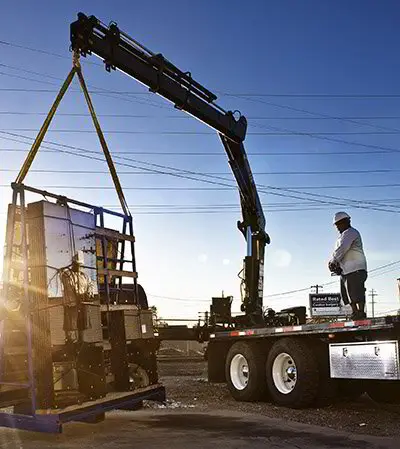
- Lifting suspended loads with approved attachments and the rules that apply
- Pre-use inspection and safe shutdown
- Travel with a load: boom position, slopes, rough terrain and visibility
- Working near power lines and around other workers
- Manufacturer instructions and applicable OSHA and ANSI requirements
Our team includes NCCCO accredited practical examiners for telehandlers, so practical coaching is grounded in how the exam is actually scored.
Where the Mistakes Happen
Telehandler tip-overs tend to follow a familiar script: a load picked at short reach, then the boom extended to place it without checking the chart, often while the frame is not level or the machine is on soft ground. Other common problems are using the wrong chart for the attachment, traveling with the boom raised, and treating the telehandler as a crane for suspended loads without the proper attachment and rating.
We spend real time on these situations because they are what separate an operator who passes an exam from one who stays out of trouble on a job. Our guide to telehandler safety training courses covers more background.
Keeping Your Card Current
A THO card is not permanent. Like every CCO credential it runs on a fixed certification period, and the expiration date is printed on your card and shown in the MyCCO app. Plan to start recertification during the final year so you are never on a job site with a lapsed card; employers that require certification will usually pull an operator off the machine until it is renewed.
Recertifying operators tend to need less hands-on coaching and more time on chart reading and any changes in standards since they last tested. Tell us your expiration date when you contact us and we will plan around it. If you also renew a crane certification, ask whether the exams can be scheduled in the same trip to save time away from work.
Program Dates and Delivery
Open-enrollment dates for the telehandler program at our Seffner, Florida facility have not been announced yet. If you want to be notified, fill out the form on this page and select the Telehandler Operator Program, or call (813) 402-2017.
Employers do not have to wait for a public date. We can train operators at your facility on your machines, and our accredited examiners can schedule the CCO practical exams on-site. Contact us about on-site training with your crew size and the telehandler models you run. Because the program is not yet listed in our store, pricing is quoted on request.
Getting Ready
Plan to bring a hard hat, hard-toe boots, gloves and work clothes, and carry government-issued photo ID and a driver's license in good standing for exam check-in. Training materials are supplied.
Many telehandler operators also work around cranes and rigging crews. Adding a rigger qualification helps when your telehandler is used with suspended loads, and the NCCCO certifications overview explains how the THO credential fits with the rest of the CCO program.