- Duration3 weeks or 5 weeks, full time
- Exams includedTSS + TLL (3-week); TSS, TLL + LAT (5-week)
- Best forBeginners with little or no crane experience
- FormatClassroom plus daily hands-on crane time in Seffner, FL
Starting a Crane Career From the Ground Up
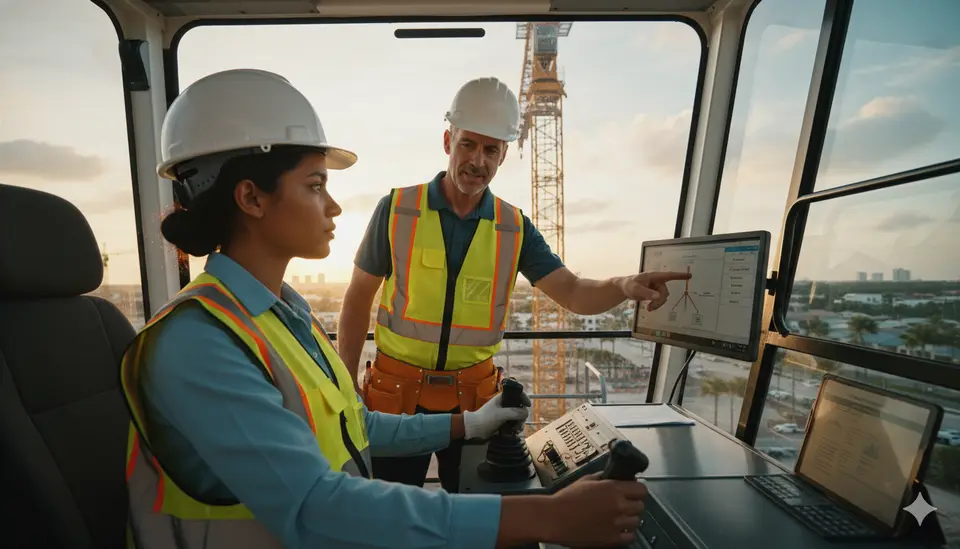
Our initial mobile crane operator training is for people who want to run cranes but have little or no time in the seat. Maybe you are coming off a construction crew, out of the military, or from a completely different line of work. You do not need prior operating experience to enroll; you need to show up ready to work full days, outdoors, for several weeks.
By the end you will have set up, inspected, operated and shut down mobile cranes many times over, and you will sit for the NCCCO written and practical exams on the same course. Passing them earns the CCO card that construction employers look for under OSHA's operator certification rule.
Already an operator who just needs the card? The four-day certification prep program is a better fit.
Choosing Between the 3-Week and 5-Week Program
3-week program: telescopic boom cranes
This track focuses on hydraulic telescopic cranes and prepares you for two NCCCO designations: TSS (fixed cab) and TLL (swing cab). It suits most newcomers, since telescopic machines make up much of the mobile crane work on commercial and industrial jobs.
5-week program: telescopic plus lattice boom
The longer track covers everything in the 3-week program, then adds lattice boom cranes (crawler and truck) and the LAT exams. The extra two weeks give you time for assembly and setup, configurations and capacities, and the more involved rigging that lattice work demands. Choose it if you want the broadest set of mobile crane designations from a single course.
There is also a stand-alone 4-week lattice boom crawler class listed in our store for students focused only on LAT. Ask the office whether it fits your plans.
What a Typical Day Looks Like
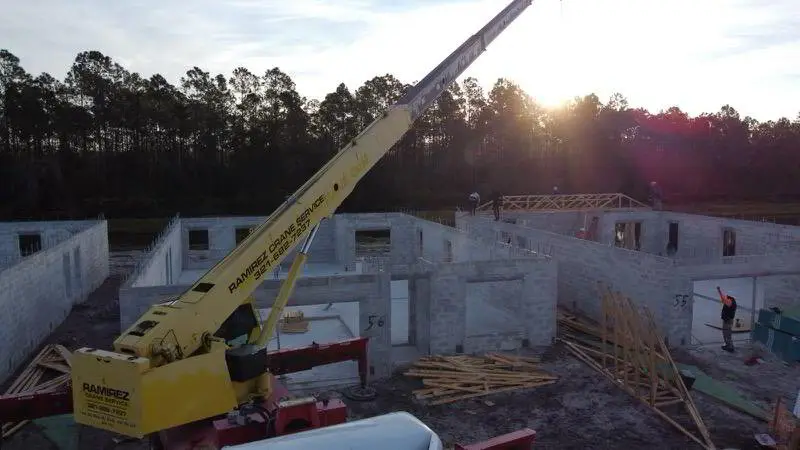
Most of your time is spent on the equipment. Our store listing describes the 3-week program as roughly 25 to 30 percent classroom and 70 to 75 percent hands-on crane operation. Classes are kept small, so everyone gets real seat time rather than watching from the sidelines.
Days run from 7:00 AM to 4:00 PM over consecutive weeks. Hands-on work includes:
- Rigging up and traveling the crane, then breaking it down again, as a daily routine
- Swinging and stowing the jib and changing reeving between one-part and four-part line under supervision
- Pre-operational inspections and safe shutdown and securing
- Working to hand signals and radio communication
- A coordinated dual-crane pick as an advanced exercise
Classroom sessions cover safety regulations, crane components, setup, load charts and capacities, rigging, and communications.
The NCCCO Practical Exam You Train Toward
The CCO practical exam checks whether you can inspect, hoist, boom, swing and combine functions smoothly and safely. Test layouts vary by crane category but are standardized from site to site, and you will practice on the course you test on. Tasks include:
- A pre-operational (shift) inspection
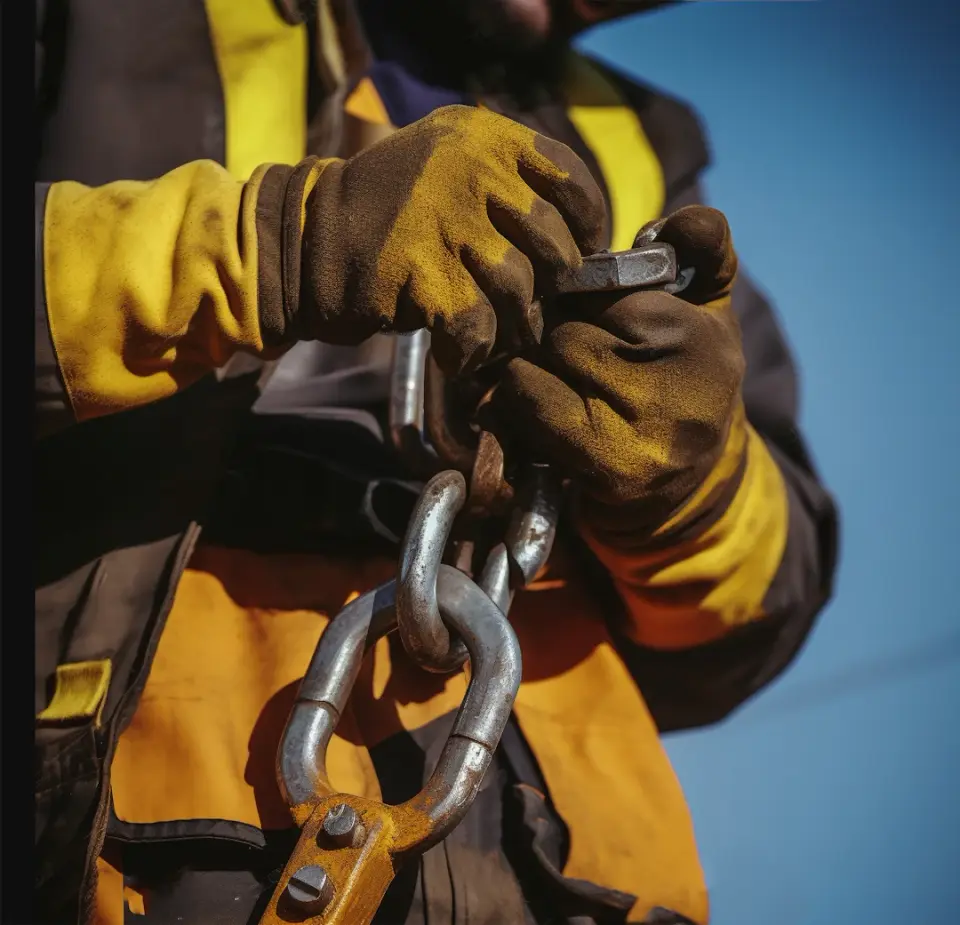
- Placing a chain inside a stop circle
- Following hand signals
- Placing a ball in a series of barrels
- Moving a test weight through a zigzag corridor, forward and in reverse
- Safe shutdown and securing of the crane
Several tasks are timed, which is why repetition matters. Points are lost for things like contacting obstacles or jerky control, and the cure is hours on the levers. For background before you arrive, read our beginner's guide to mobile crane operation.
Published Tuition
Current prices as listed in our online store:
- 3 Week Mobile Crane Class (TSS and TLL): $6,500
- 5 Week Mobile Crane Class With Lattice (TSS, TLL and LAT): $9,000
- 4 Week Lattice Crane Class: $8,000
Call the office to confirm what is included for your start date before you pay.
Requirements and Lodging
Bring your own PPE: a hard hat, hard-toe boots, work clothing and gloves. Sunglasses help on a bright Florida test pad. You also need a government-issued photo ID and a driver's license in good standing, both to train and to sit for the NCCCO exams. Course materials and handouts are provided.
Many students in the initial program travel in and stay for the full three or five weeks. The Crane School has a negotiated rate at the Holiday Inn Express Tampa Fairgrounds; call (813) 490-1000 and ask for The Crane School rate. Published rates have been $89 per night January through May and $84 June through December, so confirm the current rate when you book. Our hotels page can help with lodging questions.
After You Pass
NCCCO mails your certification card, typically within three to five weeks of passing both the written and practical exams, and the MyCCO app usually shows results sooner. Your certification is valid for five years, and you can renew later through our monthly certification prep sessions.
New operators often start on smaller telescopic cranes and build hours before moving to larger machines. Pay varies widely by region, industry and union status, so for current figures check the U.S. Bureau of Labor Statistics Occupational Employment and Wage Statistics for crane and tower operators (53-7021). Many graduates also add rigger or signalperson credentials to become more useful on a crew.
Reserving Your Seat
Start dates for both tracks are listed below and on the class schedule. Because cohorts are small, seats can fill before the start date. Register through the form on this page, call (813) 402-2017, or email info@thecraneschool.com, and tell us whether you want the 3-week or 5-week program.
Employers putting a group of new hires through training can also ask about running the program for their crew.