Crane Operator License, Certification or Qualification? How to Get What Your Job Requires

Three Words That Get Mixed Up
Ask ten people on a job site what you need to run a crane and you might hear "a license," "your card," or "your NCCCO." They are usually talking about the same goal, but the words mean different things, and the difference matters when you move between states or employers.
Here is the short version:
- Certification is earned by passing exams from an accredited testing organization such as NCCCO. It shows you have the knowledge and skill for a crane type, and it is portable from employer to employer.
- Qualification or evaluation is your employer confirming you can safely run the specific crane assigned to you.
- A crane operator license is issued by a government agency, usually a state or city, where local law requires one.
So when someone asks how to get a crane operator license, the honest answer is: start with certification, then add whatever your state or city requires.
What Federal OSHA Requires
For construction work, the governing rule is OSHA's crane standard, 29 CFR 1926 Subpart CC. Section 1926.1427 requires that operators be trained, certified and evaluated before running covered equipment on their own.
Key points:
- Certification by an accredited testing organization. NCCCO is the most widely used option. It has been certifying operators since its formation in 1995.
- Certification by crane type. You test for each type you operate. Under OSHA's 2018 update, certification by capacity is not required.
- Employer evaluation. Your employer must evaluate your ability to safely operate the equipment you will use and document it.
- Training as needed. Operators in training may run equipment only under specific supervision conditions.
You can read the full text of the standard at osha.gov (opens in a new tab).
When a State or City License Applies
OSHA sets the floor everywhere. Some states and cities add their own crane operator requirements on top. Jurisdictions commonly cited as having state-level programs include California, Connecticut, Hawaii, Maryland, Massachusetts, Minnesota, Montana, Nevada, New Jersey, New Mexico, New York, Pennsylvania, Rhode Island, Utah, Washington and West Virginia. Cities such as New York City, Chicago, Philadelphia, New Orleans, Omaha and Washington, D.C. have their own rules as well.
In many of these places, a current NCCCO certification is part of what the agency looks for, but the specific steps, fees and renewal rules vary and change over time. Before you take work in any of them, confirm current requirements with the state or city agency and check NCCCO's state licensing information.
In states without their own program, federal OSHA rules govern, and employers or project owners may set stricter rules. Florida, where The Crane School is based, falls in this group.
How to Become a Licensed Crane Operator, Step by Step
Whatever your location, the practical path looks like this:
1. Choose your crane types
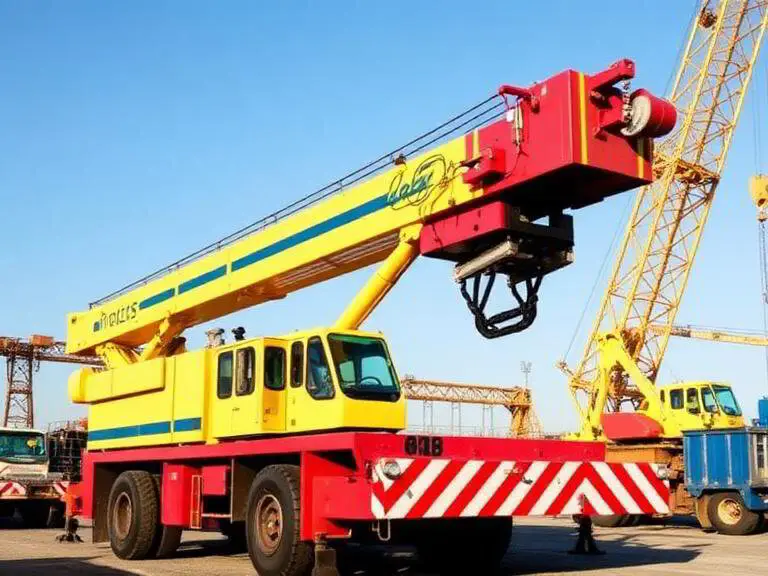
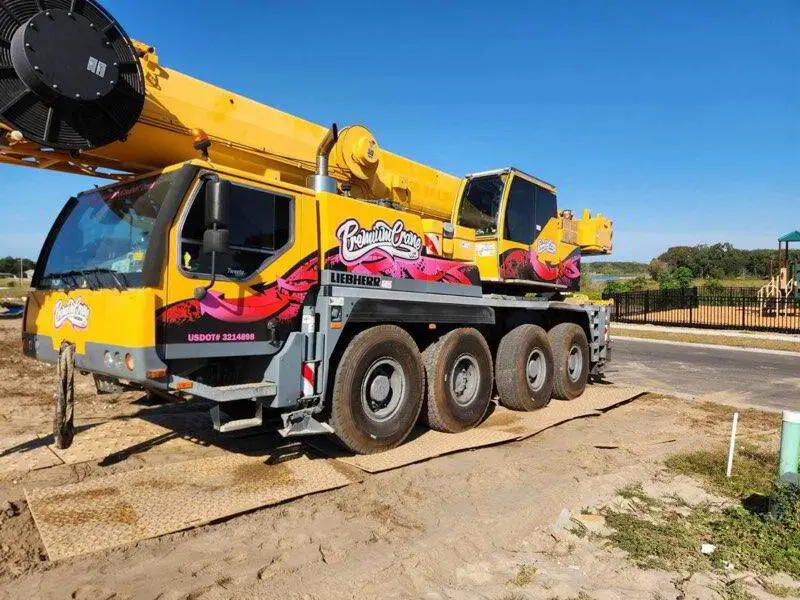
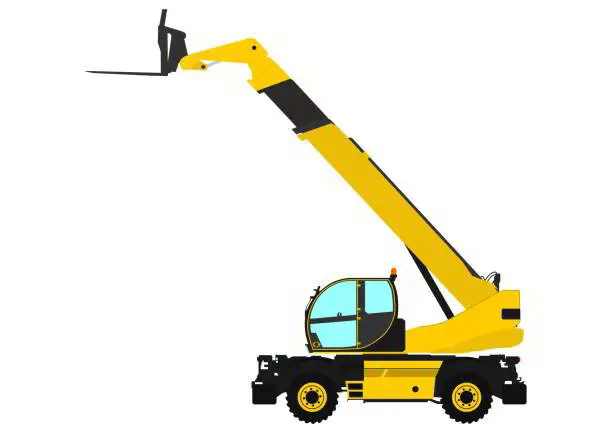
Telescopic fixed cab, telescopic swing cab, lattice boom, articulating, telehandler and so on. Each is its own exam.
2. Train to the level you need
Newcomers need a multi-week course with daily seat time. Experienced operators usually need a focused prep course. Our training programs page lays out both.
3. Pass NCCCO written and practical exams
Written exams cover safety, operations and load charts. Practical exams test how you actually run the crane. Both must be passed within NCCCO's time window.
4. Apply for any state or city license
If you will work in a licensing jurisdiction, submit that application with your certification and any other documents the agency asks for.
5. Complete employer evaluation
Expect your new employer to watch you operate before clearing you.
6. Keep everything current
NCCCO certification lasts five years. State licenses often have their own renewal schedules. Track both.
Questions to Ask Before You Travel for Work
Traveling operators run into licensing problems more than anyone else. A crew gets called to a project two states away, and someone discovers on day one that the local rules require extra paperwork. Before you accept out-of-state work, ask:
- Does this state or city have its own crane operator license or registration?
- Will my current NCCCO designations be accepted, and do they cover the exact crane on this job?
- Does the project owner or general contractor require anything beyond OSHA, such as a site-specific evaluation or extra signalperson credentials?
- How long does the local application take, and can I start it before I arrive?
Getting those answers in writing protects you and your employer. The NCCCO certification overview on our site also lists the designations we prepare candidates for.
Credentials Beyond the Operator Seat
Operators are not the only people OSHA expects to be qualified. Signal persons must be qualified under 1926.1428, and riggers who hook up loads must be qualified for the work. Many operators add these credentials because they make them more useful on any crew and deepen their understanding of the whole lift.
The Crane School offers a rigger qualification and certification program and a signalperson program for exactly this reason.
A Note on Words in Job Ads
Job postings often ask for a "licensed crane operator" even in states without a licensing program. In most cases, the employer means NCCCO or another accredited certification for the relevant crane type. If an ad is unclear, ask which certification and designations they need. It is a reasonable question and shows you know the difference.
For a deeper look at federal and state rules together, see our post on crane operator certification requirements.
If you are planning work in a licensing state, or just want to know which designations to test for, contact The Crane School. We can help you map your credentials to the jobs you are after.
FAQ
Is NCCCO certification the same as a crane license?
No. NCCCO certification is a national credential from an accredited testing body. A license is issued by a government agency in states or cities that require one, and many of them use NCCCO certification as part of the process.
Does Florida require a state crane operator license?
Florida does not run its own crane operator licensing program. Federal OSHA certification rules apply, and employers may add stricter requirements.
Can my certification transfer if I move to another state?
NCCCO certification is nationally recognized and goes with you. If the new state has its own license, you will still need to meet that agency’s requirements.
Who issues crane operator certification?
Accredited testing organizations such as NCCCO issue certification. Training schools, including The Crane School, prepare you for those exams but do not issue the certification.