- Duration4 days, Friday to Monday
- Exams includedNCCCO TSS, TLL and LAT written and practical
- Best forExperienced operators certifying or recertifying
- FrequencyOnce a month in Seffner, FL
Built for Operators Who Already Run Cranes
This mobile crane operator certification prep program is the last step for people who already have real hours in the seat. You know how to set outriggers, read a load chart and feather a swing; what you need is the NCCCO card that proves it. Federal rules for construction (29 CFR 1926.1427 under Subpart CC) require crane operators to be certified, and the CCO mobile crane designations are the ones most employers ask for.
The same program serves operators who already hold a CCO card and need to renew it before the five-year expiration.
Who should not enroll
If you have never operated a crane, this course is the wrong starting point. Four days is enough to sharpen an operator; it is not enough to create one. Beginners should look at the initial mobile crane operator training program, which spends three to five weeks building skills before the exams.
The Three Mobile Crane Designations You Can Test For
NCCCO certifies mobile crane operators by crane type. In this program you can sit for any combination of these three specialties:
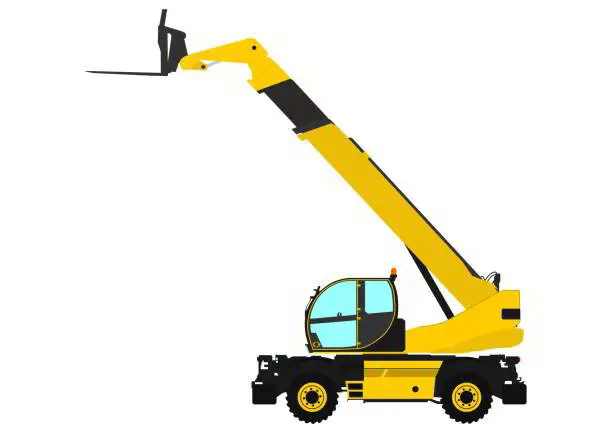
- TSS: telescopic boom cranes with a fixed cab, such as many boom trucks, where the operator's station does not rotate with the upper.
- TLL: telescopic boom cranes with a swing cab, the familiar hydraulic truck cranes and rough-terrain cranes where the cab turns with the boom.
- LAT: lattice boom cranes, both crawler and truck mounted.
Each specialty requires a passing written exam and a passing practical exam on that crane type. The written side is made up of a core exam that everyone takes plus a specialty exam for each designation you want. Pick the designations that match the equipment you run now or plan to run, since OSHA certification is by crane type rather than by capacity. Our certifications overview explains how the designations fit together.
How the Friday-to-Monday Schedule Works
The program runs once a month, Friday to Monday, and every session follows the same order:
- Friday: NCCCO practical exams on our test course.
- Saturday and Sunday: classroom instruction covering the material that may appear on the written exams, with question-and-answer workshops.
- Monday morning: NCCCO written exams, right after the classroom review while the material is fresh.
Putting the practical first surprises some people, but it works. Experienced operators usually walk in strongest on the controls, so they get the hands-on test done while they are rested, then spend two full days on load charts, regulations and the technical knowledge the written exams demand.
Check the upcoming session dates on this page or the full class calendar and register early; seats are planned around crane and examiner availability.
Optional Practice Time on Thursday
If you have been off a particular machine for a while, or you have never run the practical exam course, you can book practice time on our cranes the Thursday before your practicals. Practice is sold in one-hour slots that must be reserved in advance, either with or without instructor coaching.
As a guide, our store listing suggests two to three hours on the telescopic cranes and at least three to four hours on lattice boom equipment to get comfortable before testing. A past student put it well: there is no better way to practice than on the actual crane and the actual obstacle course of the practical exam.
What the Classroom Days Cover
The weekend classroom is aimed squarely at the written exams. Expect to work through:
- Reading and applying manufacturer load charts, including deductions and range diagrams
- Site setup, ground conditions, and leveling
- Operational characteristics of telescopic and lattice boom cranes
- OSHA Subpart CC requirements and ASME B30.5 practices that show up on the tests
- Power line clearance, signaling and communication
- Inspection responsibilities and safe shutdown
We supply the training materials and handouts. If you would like to study ahead, our list of NCCCO mobile crane prep tips is a good place to start.
Published Pricing
Costs depend on which pieces you need. Current published prices from our online store:
- TSS, TLL, LAT recertification prep (classroom only): $1,050
- TSS practical or TLL practical: $625
- LAT practical: $750
- TSS and TLL practice: $150 per hour
- Lattice practice: $250 per hour
Call the office to confirm what your combination of designations will include before you book.
What to Bring and Where to Stay
Come dressed for the yard: hard-toe footwear, a hard hat, work clothes suited to Florida weather, gloves, and sunglasses for the field. You must bring a government-issued photo ID and a driver's license in good standing; you will not be able to test without valid identification.
Traveling in for the weekend? The Crane School has a negotiated rate at the Holiday Inn Express Tampa Fairgrounds. Call the hotel at (813) 490-1000 and ask for The Crane School rate. The published rates have been $89 per night January through May and $84 per night June through December, but confirm the current rate when you call.
Registering for a Session
Use the form on this page and choose Mobile Crane Operator Certification Prep Program, or call (813) 402-2017 during office hours, Monday through Friday from 7:00 AM to 4:00 PM. Tell us which designations you want and whether you need practice time, and we will confirm your seat, exam slots and what to bring.
Companies sending several operators can also have this program delivered at their own site with our accredited practical examiners.