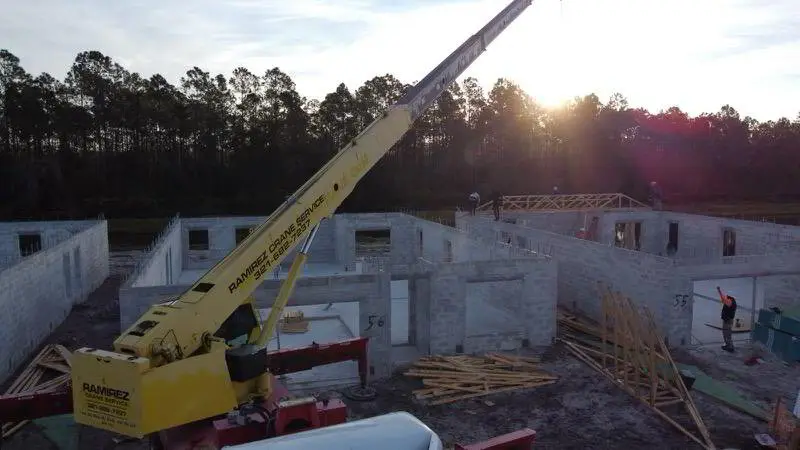
NCCCO Eligibility Requirements: Who Can Sit for Crane Operator Certification

What NCCCO Eligibility Means
The National Commission for the Certification of Crane Operators (NCCCO) has tested crane operators since it was formed in 1995. It is an independent, non-profit certifying body. It does not run training classes; it writes and administers the exams, and it decides who may sit for them.
That last point is where NCCCO eligibility requirements come in. Before your written or practical exam counts, you have to meet a short list of candidate conditions. None of them is complicated, but missing one can delay your card or void a result. This article walks through each requirement so you can check your status before you spend money on exam fees or travel.
If you already know you qualify and want to see how the process unfolds from application to recertification, read our companion piece, The Complete Guide to the NCCCO Certification Process, which focuses on timelines and renewal.
The Four Core Candidate Requirements
NCCCO publishes its candidate policies in its handbooks and on nccco.org (opens in a new tab). The details can change, so always confirm the current version, but the core conditions for crane operator candidates have been stable for years.
1. Minimum age of 18
Every crane operator candidate must be at least 18 years old. There is no upper age limit. Career changers in their 40s and 50s certify every year.
2. Medical and physical fitness
Candidates must meet the physical requirements in the ASME B30 standard that covers their crane type (ASME B30.5 for mobile cranes). In practice you attest that you meet them. The standard looks at things like vision, depth perception, hearing, and freedom from conditions that could cause a sudden loss of control. Many employers also require a DOT-style physical, so it is worth having one on file.
3. Substance abuse policy
You agree to comply with NCCCO's substance abuse policy. Employers and job sites usually run their own testing programs on top of this.
4. Code of ethics
Candidates sign NCCCO's code of ethics. Cheating, misrepresenting your identity, or sharing exam content can lead to revoked certification.
Experience: Required or Not?
NCCCO does not demand a minimum number of logged hours before you can test. That surprises a lot of people. What it does demand is that you pass a written exam on knowledge and a practical exam where you actually run the crane, and the practical exam is very hard to pass without real seat time.
So experience is not a paperwork requirement, but it is a practical one. That is why training providers split programs by experience level:
- No or little operating experience: a multi-week program that builds skills from the ground up, such as our initial mobile crane operator training in 3-week or 5-week formats.
- Experienced, not yet certified: a short prep program focused on exam content, such as the mobile crane certification prep program.
- Already certified and renewing: recertification prep, which follows the same prep schedule.
Be honest with yourself about where you fit. Enrolling in a short prep course with no operating background usually leads to a failed practical and a second set of fees.
One more point: experience you gained on equipment other than cranes, such as excavators, forklifts or telehandlers, helps with general machine feel but does not replace time on a crane. Load charts, boom deflection and swing control behave differently, and the practical exam is built to expose those gaps.
Documents to Have Ready
On test day, the most common holdup is identification. Have these ready before you register:
- A current, government-issued photo ID with a name that matches your NCCCO application exactly.
- Your completed candidate application, including the medical attestation and policy acknowledgments.
- Exam fee payment, or confirmation that your employer or training provider is handling it.
- A valid driver's license if your training provider requires one for yard work (The Crane School asks students to bring one in good standing).
For training at our Seffner, Florida facility, also bring hard-toe footwear, a hard hat, gloves and work clothing suitable for outdoor practice.
Eligibility Is Not the Same as Being Allowed to Operate
Meeting NCCCO's candidate rules lets you test. Passing the tests earns you certification. Neither one, on its own, means you may run a crane on any job site.
Under OSHA 29 CFR 1926.1427, construction employers must make sure operators are certified for the type of crane they run, and they must also evaluate each operator's ability to safely operate the specific equipment assigned. Some states and cities layer their own licensing on top of that federal rule. Our post on how to become a licensed crane operator explains the difference between certification, qualification and licensing.
Quick Self-Check Before You Enroll
Run through this list. If you can answer yes to each item, you are ready to plan your training and exam dates.
- I am 18 or older.
- I meet the physical requirements for my crane type and could pass a standard physical.
- I can comply with a substance abuse policy and site drug testing.
- I have a government photo ID that matches my legal name.
- I know which crane types I need (telescopic fixed cab, telescopic swing cab, lattice boom, articulating, and so on).
- I have a realistic picture of my operating experience.
Not sure about the last two? That is a normal place to be. Look over the current class schedule or send us a question, and we can help you match your background to the right program before you commit.
FAQ
Can I take the NCCCO crane operator exam at 17?
No. NCCCO requires crane operator candidates to be at least 18 years old at the time of testing.
Do I need a CDL to qualify for NCCCO certification?
No. A CDL is not an NCCCO requirement. Some employers want one if you will drive a crane on public roads, but it has nothing to do with exam eligibility.
Does NCCCO check how many hours I have operated a crane?
Not for initial certification. Hours matter later: at recertification, documented crane-related experience can affect whether you must retake the practical exam.
Who do I contact about an NCCCO eligibility question?
Contact NCCCO directly for policy rulings. For help choosing a program that matches your experience, call The Crane School at (813) 402-2017.