NCCCO Practical Exam Tips: How to Pass the Hands-On Test the First Time
A Different Kind of Test
Plenty of candidates who ace the written exam struggle on the practical. The reason is simple: the practical exam does not care what you know. It measures what your hands do with the controls while someone watches and a clock runs.
These NCCCO practical exam tips are about that hands-on day. For load charts and the knowledge test, see our companion post on NCCCO written exam study tips.
What the Practical Exam Looks Like
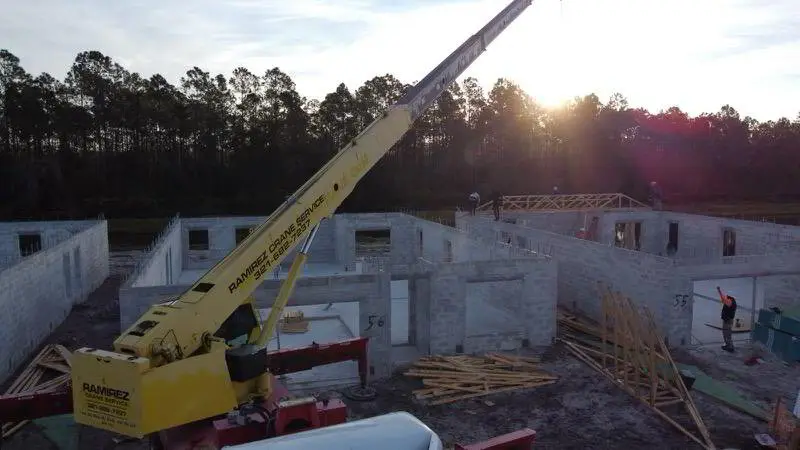
Each crane type has its own practical exam. You run a crane of that type through a set of tasks laid out on a marked course, under the eye of an accredited practical examiner.
Tasks typically include moving a test weight through a defined path without touching the boundaries, placing a load or the hook into a target area, and responding correctly to hand signals. The tasks are timed, and points come off for things like contacting course markers, jerky or stop-and-start movements, letting the load swing, or unsafe actions.
The examiner will explain the course and the rules before you start. Listen closely and ask questions then, not halfway through a task. Candidate handbooks on nccco.org describe the current tasks and scoring for each crane type in detail. Read the one for your designation before test day.
Where Candidates Lose Points
Almost every failed practical comes down to a handful of habits:
- Rushing. Trying to beat the clock causes swing, overshoot and corrections that cost more than they save.
- Overcorrecting. Fighting a slight swing with big control inputs makes it worse.
- Stop-and-start movement. Hesitating mid-path breaks the smooth flow examiners look for.
- Losing track of the load. Watching the boom tip instead of the load, or the other way around, at the wrong moment.
- Ignoring signals. Starting a movement before the signal or misreading one.
- Skipping safe habits under pressure. Forgetting to check the area, sound the horn where required, or confirm the load is clear.
None of these are about knowledge. They are about calm, practiced control.
How to Practice
Get seat time on the same type of crane
Practice on the crane type you will test on. A fixed-cab and a swing-cab telescopic crane feel different, and lattice booms are different again.
Practice the pattern, then the clock
First, run the course slowly until every movement is smooth. Only then start timing yourself. Speed built on smooth control holds up under pressure; speed built on rushing does not.
Feather the controls
Practice starting and stopping every motion gradually. Combine swing with hoist or boom movements only when you can do each one cleanly by itself.
Use a signal person
Have someone give you standard hand signals during practice so responding becomes automatic.
At The Crane School, operators in the monthly prep program can reserve one-hour practice slots on the Thursday before practical exams. You can also book TSS and TLL practice by the hour, with or without coaching, or lattice practice by the hour.
Practice When You Cannot Get Seat Time
Not everyone can get on a crane every day before the exam. You can still sharpen the mental side:
- Visualize the course. Picture each task from the cab, including where you will start slowing the swing and where your eyes will be.
- Rehearse control sequences. Sit in a chair and move your hands through the order of inputs for each task. It sounds odd, but it builds the pattern.
- Watch experienced operators. Notice how early they ease off a motion and how little they correct.
- Review the handbook diagrams. Knowing the layout means fewer surprises on the day.
None of this replaces real practice, but it makes the hours you do get in the seat count for more.
Handling Nerves
Nearly everyone is nervous on practical day, including experienced operators. Nerves show up as tight hands and quick movements, which are exactly what costs points. A few things help:
- Breathe before each task. A slow breath before you touch the controls settles your hands.
- Narrate in your head. Quietly naming the next step keeps you focused on the task, not the examiner.
- Let a mistake go. One touched marker does not end the exam. Dwelling on it causes the next one.
- Use your time. The clock is generous for smooth operators. You rarely need to hurry.
The Morning Of
Small things set the tone:
- Get a full night of sleep, and eat a real breakfast.
- Arrive early with your ID, hard hat, hard-toe boots, gloves and sunglasses for bright conditions.
- Walk the course with your eyes during the briefing. Note the tight spots.
- Settle into the seat, adjust it, and check your sight lines before you begin.
- Wait for the examiner's go-ahead on each task.
In our Friday-to-Monday prep program, practicals take place on Friday, so you go into the weekend classroom sessions with the hands-on test already behind you.
If You Do Not Pass
A failed practical is common and fixable. You retake only the practical, not the written exam, as long as you are within NCCCO's time window. Ask the examiner or your instructor which tasks cost you the most, book focused practice on those, and schedule the retest while the feel is fresh.
Our accredited practical examiners can schedule exams at sites nationwide, and practical exams are listed in the store. For your next step, check the class schedule or contact us to set up practice time before you test.
FAQ
Is the NCCCO practical exam timed?
Yes. Each task has a time limit, but smooth operators rarely need to rush. Most point losses come from hurrying, not from running out of time.
Can I practice on the exam crane before my practical?
Many test sites, including The Crane School, offer practice time before exams. Ask your test site what is available.
Do I have to retake the written exam if I fail the practical?
No. You retake only the practical, provided you are still within NCCCO’s time window.
What should I wear to the practical exam?
Hard-toe footwear, a hard hat, gloves and work clothing suited to the weather. Sunglasses help in bright conditions.