Every Program Is Built Around a Specific Job
A first-time student and a 20-year operator renewing a card need very different things, and so do a rigger, a telehandler operator and a site superintendent. That is why our crane operator training programs are separated by role and experience rather than offered as one general course. Each program is tied to specific NCCCO exams (or, for supervisors, to the compliance knowledge they need), so you know exactly what you will walk away with.
The quick comparison below covers who each program is for. Detailed schedules, prices and topic lists are on the individual program pages.
The Programs at a Glance
Initial Mobile Crane Operator Training (3 or 5 weeks)
For people with little or no crane experience. The 3-week track covers telescopic cranes with TSS and TLL exams; the 5-week track adds lattice boom and LAT. Mostly hands-on time on real cranes. See the initial program.
Mobile Crane Operator Certification Prep (4 days)
For operators who already run cranes and need to certify or recertify. Practical exams Friday, classroom Saturday and Sunday, written exams Monday morning, once a month. See certification prep.
Articulating Crane Operator Certification Prep
For knuckle boom operators pursuing ABC, ABL and ABW. Common in building supply, sign, utility and loader work. See articulating prep.
Rigger Qualification / Certification (2 or 3 days)
For anyone who attaches loads to a crane. Choose an in-house qualification or NCCCO Rigger Level I or II with the practical.
Signalperson Qualification / Certification (2 or 3 days)
For people who direct crane movement with hand and voice signals. Qualification in two days or certification with the practical on day three.
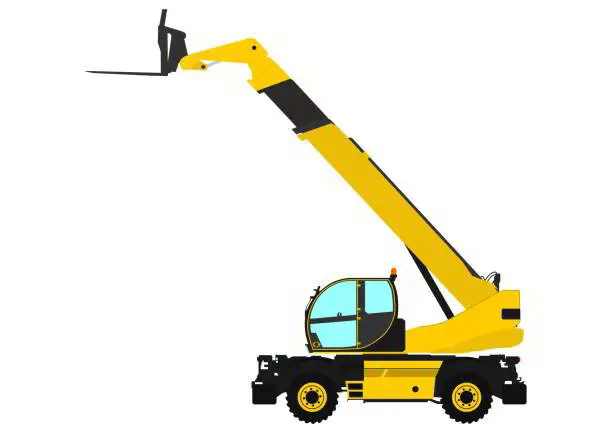
Telehandler Operator Program
For telehandler operators pursuing the NCCCO THO credential, fixed or rotating. Open dates pending; on-site available.
Managing Crane Safety Class
For supervisors, superintendents and safety staff. Covers OSHA compliance, lift planning, inspections and load chart basics. No operator exam.
A Simple Decision Guide
Answer these in order and you will land on the right program:
- Do you want to operate a crane but have little or no seat time? Choose the initial mobile crane program. Pick 5 weeks if you want lattice boom too.
- Do you already operate telescopic or lattice cranes? Choose the four-day certification prep for TSS, TLL and/or LAT.
- Do you run a knuckle boom truck or loader? Choose articulating prep.
- Do you rig loads or give signals rather than operate? Choose rigger, signalperson, or both; they are often scheduled the same week.
- Do you run a telehandler? Choose the telehandler program.
- Do you plan or supervise lifts? Choose managing crane safety.
Still stuck between two options? Call (813) 402-2017 and describe your experience; we would rather point you to the shorter course than sell you one you do not need. Our article on choosing a crane operator school also covers what to weigh.
Open Enrollment vs. On-Site Training
Open enrollment in Seffner, Florida
Individuals and small companies join scheduled classes at our facility east of Tampa. The cranes, test course and classroom are all in one place, and the CCO written exams are offered there every month. Start dates for mobile crane, rigger and signalperson classes are on the class schedule. Students traveling in can use our negotiated rate at a nearby hotel.
On-site at your facility
Companies with a group to train can have programs delivered at their own location anywhere in the country. Our accredited practical examiners can administer CCO practical exams on your site and your equipment, so crews train on what they actually run and spend less time away from the job. On-site works especially well for rigger, signalperson and supervisor classes, and for certification prep for experienced crews. Request on-site training with your headcount, equipment and timing.
Combining Programs
Many students take more than one program over time, and crews often mix them on purpose. A common pattern for a new hire is the initial mobile crane program followed later by rigger and signalperson credentials. For an established company, it is often certification prep for operators, rigger and signalperson classes for ground crews, and managing crane safety for the supervisors overseeing them. When everyone on a lift has trained to the same standards, briefings are shorter and expectations are clearer.
Not sure what each credential means? The NCCCO certifications guide explains every designation, how long it lasts, and how to verify a card.
What Every Program Shares
Whatever you choose, a few things stay the same. Instructors have years of real operating experience and hold NCCCO certifications. Training materials are provided. You will need to bring your own PPE (hard hat, hard-toe boots, gloves and work clothes) plus government-issued photo ID and a driver's license in good standing. Programs are taught to current OSHA requirements, and the school's guiding principle is Safety through Education.