Inspection Help for Ohio's Industrial Base
Ohio has a long manufacturing history, and many of its cranes never leave the building. Bridge and gantry cranes in steel service centers, foundries and assembly plants run shift after shift, while mobile and tower cranes handle the construction side. Our crane inspection service in Ohio covers both, with NCCCO-certified crane inspectors traveling to your facility from our Seffner, Florida, base.
Our inspection staff hold National Commission for the Certification of Crane Operators (NCCCO) inspector credentials for mobile, tower and overhead cranes. Because they have also operated cranes for years, they understand how the machines are used, not just how they are built.
Overhead Crane Inspections Under 1910.179
For general industry, OSHA 29 CFR 1910.179 sets out two levels of overhead crane inspection:
- Frequent inspections, at intervals from daily to monthly, covering functional items like hooks, hoist chains, ropes, brakes and limit switches.
- Periodic inspections, at intervals from monthly to yearly, which look more deeply at structural members, sheaves, drums, bolts and electrical components.
How often each is needed depends on how hard the crane works. ASME B30.2 adds detail on service classes and inspection criteria. We review your crane against both and record what we find, so maintenance staff have a clear list to work from.
Construction Cranes and OSHA 1926.1412
Mobile, tower and articulating cranes used in construction follow OSHA 1926.1412. That standard requires shift inspections by a competent person, monthly inspections, and an annual comprehensive inspection by a qualified person, plus inspections after assembly, after modifications and after repairs to critical parts.
We perform annual, monthly and post-assembly inspections for Ohio contractors, along with post-incident evaluations when something has gone wrong. Load testing is available when a repair, modification or customer requirement calls for it.
Equipment Covered
- Overhead bridge and gantry cranes
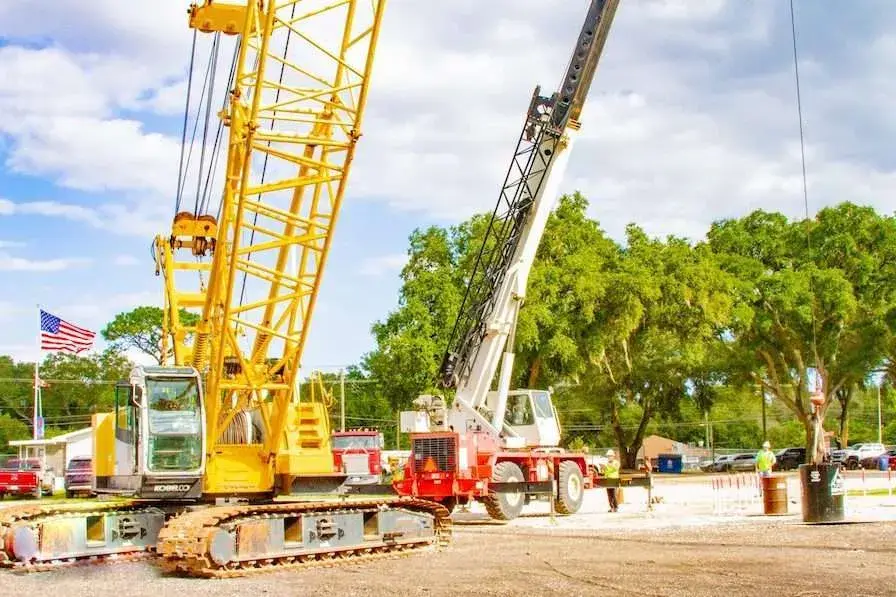
- Hydraulic and lattice boom mobile cranes
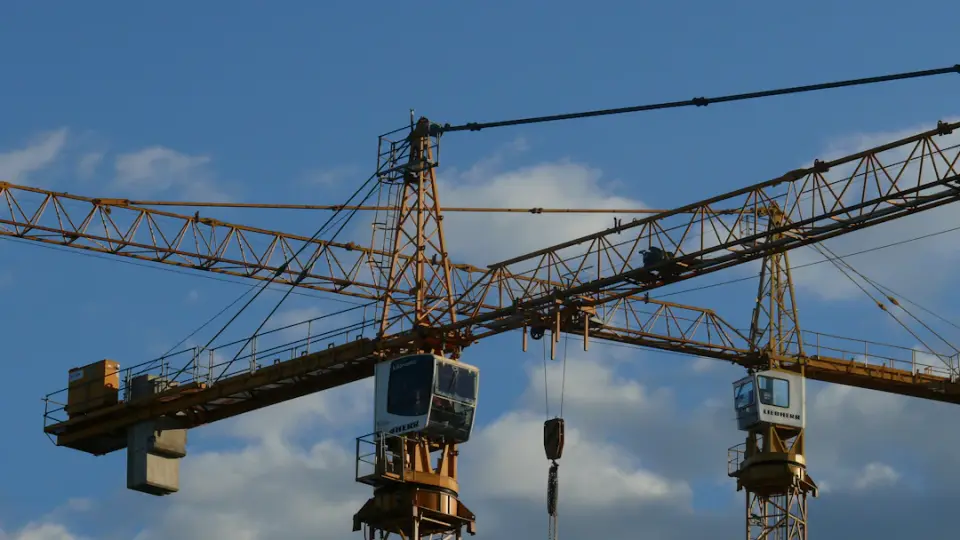
- Tower cranes
- Articulating (knuckle boom) cranes
- Buck hoists
Not sure whether a piece of lifting equipment falls in our scope? Describe it when you reach out and we will give you a straight answer.
Weather and Wear Along Lake Erie
Cranes near Lake Erie, and outdoor equipment across northern Ohio, cycle through freezing winters, road salt and humid summers. That combination speeds up corrosion and can affect wire rope, hydraulic seals and electrical enclosures. Indoor cranes face their own problems, including heat and dust near furnaces and heavy duty cycles on production lines.
Inspectors note these conditions in their findings so your team knows which components to watch more closely between scheduled inspections.
Booking an Ohio Crane Inspection
Start by filling out the form on this page or reaching our office. Include:
- Your facility or job site location in Ohio
- The number and type of cranes, with rated capacities if you have them
- The inspection you need (annual, frequent, post-incident, load test)
- Any deadlines from an audit, insurer or project owner
The office will call back to talk through scope, pricing and dates. Grouping several cranes into one visit is usually the most efficient approach for multi-crane plants.
Training That Supports Your Inspection Program
A good inspection program depends on people who perform daily checks correctly between visits. Our Managing Crane Safety Class covers inspection planning and responsibilities for supervisors. If your operators need certification, see our Ohio crane operator training options, and for background reading try our post on proper crane inspections and maintenance.