Inspections Built Around How Texas Cranes Work
Texas cranes see hard duty. A rough-terrain crane on a refinery turnaround, a truck crane setting steel downtown and an overhead bridge crane in a fabrication shop all wear differently, and each needs an inspector who knows what to look for. Our crane inspection service in Texas sends NCCCO-certified crane inspectors to your site to evaluate the equipment where it actually works.
The Crane School is based in Seffner, Florida, and travels to customers for inspection work. Our inspection staff hold National Commission for the Certification of Crane Operators (NCCCO) inspector certifications covering mobile, tower and overhead cranes, and they bring years of operating experience to every walkaround.
Equipment We Inspect
We inspect the crane types Texas employers run most often:
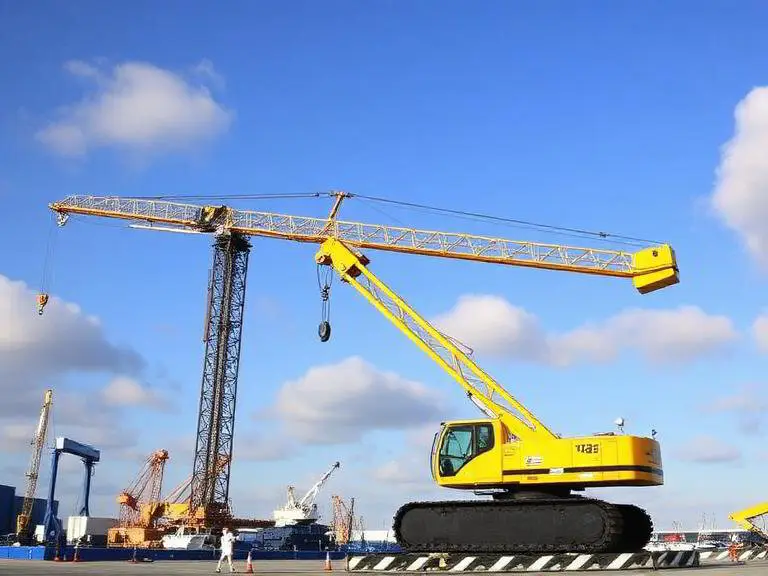
- Mobile cranes: hydraulic truck cranes, rough-terrain and all-terrain units, and lattice boom crawlers
- Tower cranes on building projects
- Overhead and bridge cranes in plants and shops
- Articulating (knuckle boom) cranes mounted on trucks
- Buck hoists used for personnel and material on high-rise work
If you run a machine that does not fit neatly in one of these groups, describe it when you contact us and we will tell you whether it falls within our scope.
Which Texas Crane Inspection Do You Need?
Annual (comprehensive) inspection
OSHA 29 CFR 1926.1412 requires a thorough inspection of construction cranes at least every 12 months by a qualified person. This is the most detailed look at structure, wire rope, hydraulics, safety devices and operational aids.
Monthly inspection
The same standard calls for monthly inspections, with results documented. Many fleets bring in an outside inspector for these to get a second set of eyes.
Post-assembly inspection
Cranes assembled on site, such as tower cranes and crawlers, must be inspected after assembly and before use.
Post-incident and specialized inspections
After a dropped load, contact with a structure, or a suspected overload, a crane should not go back into service until it is evaluated. We also handle specialized inspections and load testing as needed.
OSHA and ASME B30 Requirements in Texas
Texas does not run its own state OSHA plan for private employers, so federal OSHA rules govern crane work here. For construction, that means 29 CFR 1926 Subpart CC, including the inspection requirements in 1926.1412. Overhead cranes in general industry fall under 1910.179. Employers and project owners may set stricter rules than OSHA, and many do.
Our inspectors also reference the ASME B30 consensus standards, such as B30.5 for mobile cranes and B30.2 for overhead cranes, along with the manufacturer's manual. You can read the federal standard on OSHA's cranes and derricks page (opens in a new tab).
Port, Plant and Oilfield Conditions
Equipment around the Port of Houston and along the Gulf Coast lives with salt air and humidity, which shows up as corrosion on structural members, pins and electrical connections. Cranes working in West Texas oilfields deal with dust, heat and long travel between locations. Gulf Coast hurricane season adds another reason to check equipment after severe weather before it lifts again.
Our inspectors take the working environment into account when they review your crane, and the report notes conditions that deserve closer watching between inspections.
How Scheduling Works
- Send a request. Use the form on this page or contact our office with your location, the number of cranes, their types and the inspection you need.
- We confirm details. The office follows up to discuss scope, travel and pricing and to set a date that works for your site.
- On-site inspection. The inspector reviews the equipment, its documentation and its operation.
- Written findings. You receive documentation of what was inspected and any deficiencies to correct before use.
Bundling several cranes or locations into one trip usually makes scheduling simpler. Ask about it when you call.
Pair Inspections With Training
Inspection findings often point to training gaps, such as missed shift inspections or poor wire rope care. Our Managing Crane Safety Class walks supervisors through inspection responsibilities and documentation. Operators who need NCCCO certification can look at our Texas crane operator training page. For an overview of every service, see our crane inspection services page.