
The Certification Process at a Glance
Earning crane operator certification in Arizona follows a clear sequence. Arizona is not on the usual lists of states with their own crane license, so federal OSHA rules govern, and OSHA 1926.1427 requires construction crane operators to be certified by crane type. Individual contractors and project owners in Phoenix or Tucson may still demand more than the federal minimum.
Most Arizona operators certify through NCCCO. We get Arizona candidates ready; the card itself comes from NCCCO.
Step 1: Identify Your Crane Type
What you are certified on depends on crane type, regardless of tonnage. Common choices:
- TSS: telescopic boom, fixed cab
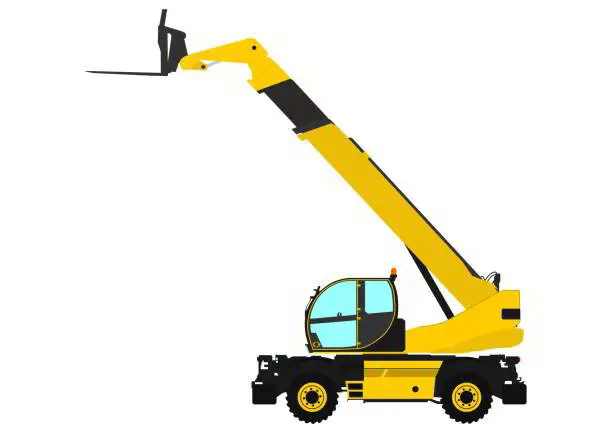
- TLL: telescopic boom, swing cab
- LAT: lattice boom crawler and truck cranes
- ABC, ABL, ABW: articulating boom cranes, depending on configuration
If you run more than one type, you can test for several specialties in the same exam window.
Step 2: Pass the Written Exams
On the written side, everyone sits a core test and then one specialty test per crane type. Topics include site setup, operations, technical knowledge, load charts and OSHA rules. CCO written exams are offered every month at our Seffner, Florida, headquarters, and our classroom sessions focus on exactly what those exams test, especially load chart calculations, where many candidates struggle.
Step 3: Pass the Practical Exam
The practical exam tests your control of the crane through a set course on the matching crane type. Our staff includes NCCCO accredited practical examiners, and practical exams can be scheduled at locations nationwide. That gives Arizona employers an option to test a crew close to home rather than sending everyone across the country.
Step 4: Recertify Every Five Years
NCCCO certifications are valid for five years. Arizona operators who want no lapse should book renewal prep sometime in the last twelve months of their card. The MyCCO app is the quickest way to check exam results and card status.
Where Candidates Usually Struggle
Most people who come up short on the written exams lose points on load charts: reading the right column for the configuration, accounting for deductions, and working out percentage of capacity. On the practical side, the common problems are rushing the course, poor control of the load, and nerves on the first attempt.
The fix is focused preparation. Our instructors hold NCCCO certifications and have years of operating experience, and they spend classroom time working chart problems until the method is automatic. When you sign up, ask our office how the published written-exam guarantee applies to your class.
Which Program Fits Your Step?
- Experienced mobile crane operators certifying or renewing: the Mobile Crane Operator Certification Prep Program, held monthly from Friday through Monday.
- New operators: the 3-week or 5-week Initial Mobile Crane Operator Training Program, which includes the NCCCO exams.
- Knuckle boom operators: the Articulating Crane Operator Certification Prep Program for ABC, ABL and ABW exams.
Testing Season in the Desert
Arizona summers are extreme, and practical exams are physically demanding. If your company is scheduling on-site testing, many crews prefer cooler months or early-morning starts. Heat also affects equipment, from hydraulic oil temperature to the condition of hoses, so keep that in mind as you prepare.
Ready to Certify?
Fill out the form on this page or contact our office to ask about dates and options for individuals or groups. Our Arizona crane training page covers training choices in the state in more detail.