Federal Crane Rules in a U.S. Territory
Guam is a U.S. territory, and federal OSHA covers its workplaces. For construction cranes, that means 29 CFR 1926 Subpart CC applies just as it does on the mainland. Operators must be certified by an accredited testing organization for the type of crane they run (section 1926.1427), signalpersons must be qualified, and riggers must be qualified for certain tasks.
Guam crane operator training therefore points toward the same national exams used in all fifty states. NCCCO is a widely recognized accredited certification. The Crane School prepares candidates; NCCCO administers the program and issues the certification. Projects tied to federal agencies or the military may carry their own contract requirements, so check those documents before scheduling.
Island Conditions That Shape Lifting Work
Guam's crane work is closely tied to its role as a Pacific hub. Port operations at Apra Harbor, military-related construction and the island's infrastructure and utility needs all depend on cranes and rigging crews. Tourism-related building has also been part of the island's economy.
The environment adds challenges. Guam sits in a region affected by typhoons, so securing cranes before a storm and planning the recovery work afterward are part of the job. Salt air is hard on wire rope, sheaves and structural steel, which makes routine inspection especially important. Because replacement parts and equipment arrive by sea or air, keeping cranes in good condition and catching problems early carries extra weight.
Heat and humidity are also year-round factors. Long days in the sun wear on operators and ground crews alike, and rain squalls can reduce visibility between an operator and a signalperson with little warning. Crews that agree in advance on radio procedures and stop-work signals handle those moments far better than crews that improvise.
Bringing Training to Your Site in Guam
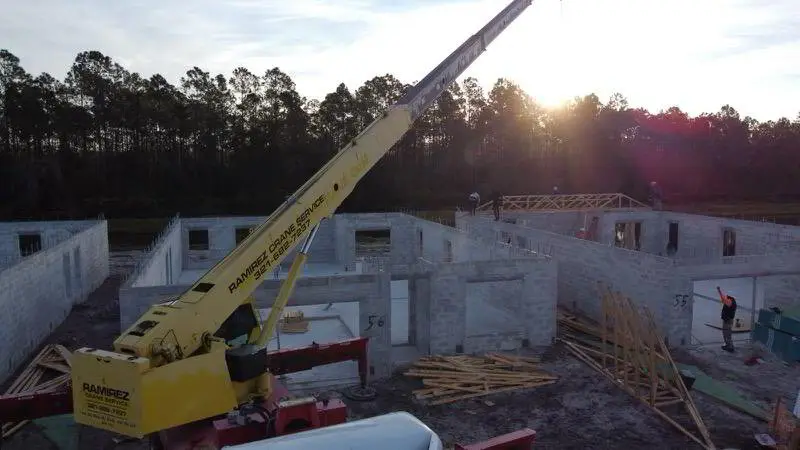
For most employers in Guam, the practical option is on-site training. We can arrange for instructors to come to your facility, teach on the equipment your operators use, and schedule NCCCO practical exams with one of our accredited practical examiners at your location. Because the trip is long, these visits work best when an employer has a group of candidates and plans well ahead.
We can help you think through the details before anyone travels: how many operators, riggers and signalpersons need training, what cranes are available for practice and testing, and whether your test area meets NCCCO's requirements. Contact us to start that conversation.
Grouping roles into one visit helps too. Operators, riggers and signalpersons can train during the same trip, and supervisors can be included in sessions on lift planning and OSHA responsibilities. That way one well-planned visit covers the whole lift team rather than just the person in the cab.
Traveling to Seffner, Florida
The other route is for operators to come to us. The Crane School has one campus, in Seffner, Florida, outside Tampa. Open-enrollment classes run on a fixed calendar, and NCCCO written exams are given every month at the Seffner headquarters.
For someone traveling from Guam, that is a major trip across many time zones. It tends to make the most sense for an individual who wants a full multi-week beginner course with lots of seat time, or when an employer has only one or two people to certify and an on-site visit would not be practical.
Picking a Program for Guam Crews
- Experienced operators who need certification or recertification: the mobile crane operator certification prep program, covering TSS, TLL and LAT exams.
- Boom truck operators on utility and delivery work: the articulating crane operator certification prep.
- Port and construction ground crews: the rigger qualification and certification program, often paired with signalperson training.
If your company also needs help keeping cranes in good shape in a salt-air environment, our article on crane inspection best practices is a practical place to start.
Careers and Credentials for Guam Operators
Because NCCCO certification is a national credential, an operator certified in Guam holds the same card recognized on the mainland. That portability can matter for people who move between the island and the states over a career.
For pay figures, consult the U.S. Bureau of Labor Statistics Occupational Employment and Wage Statistics for crane and tower operators (53-7021); coverage for territories can be more limited than for states. Certifications last five years, and planning recertification well ahead is especially wise when exam logistics involve long-distance travel.
Operators who also hold rigger or signalperson credentials tend to be more useful on small island crews, where one person often fills more than one role during a lift.