
Cedar Rapids Work That Depends on Cranes
Cedar Rapids is known for grain and food processing, and large plants along the Cedar River run on a constant cycle of maintenance, equipment replacement and expansion. Add commercial construction, flood-protection and infrastructure work, and the rebuilding that follows severe storms, and the region needs a steady supply of qualified operators and riggers.
The Crane School delivers crane operator training for Cedar Rapids employers on-site at their facilities, or through open-enrollment classes at our training center in Seffner, Florida. We have no Iowa office; our Florida team schedules every class.
Storm Recovery Puts Pressure on Crews
Eastern Iowa has seen how quickly severe weather can change a work schedule. The 2020 derecho damaged trees, roofs and grain facilities across the region, and recovery work brought cranes into neighborhoods and plants that rarely see them. Spring and summer storms, tornado watches and winter ice remain part of normal planning.
Storm cleanup is where shortcuts happen: damaged structures with unknown weights, downed lines nearby and pressure to move fast. Training that drills load estimation, power line clearance under OSHA 1926.1408, and the authority to stop a lift pays off in exactly those weeks.
Choosing Programs for Plant and Contractor Crews
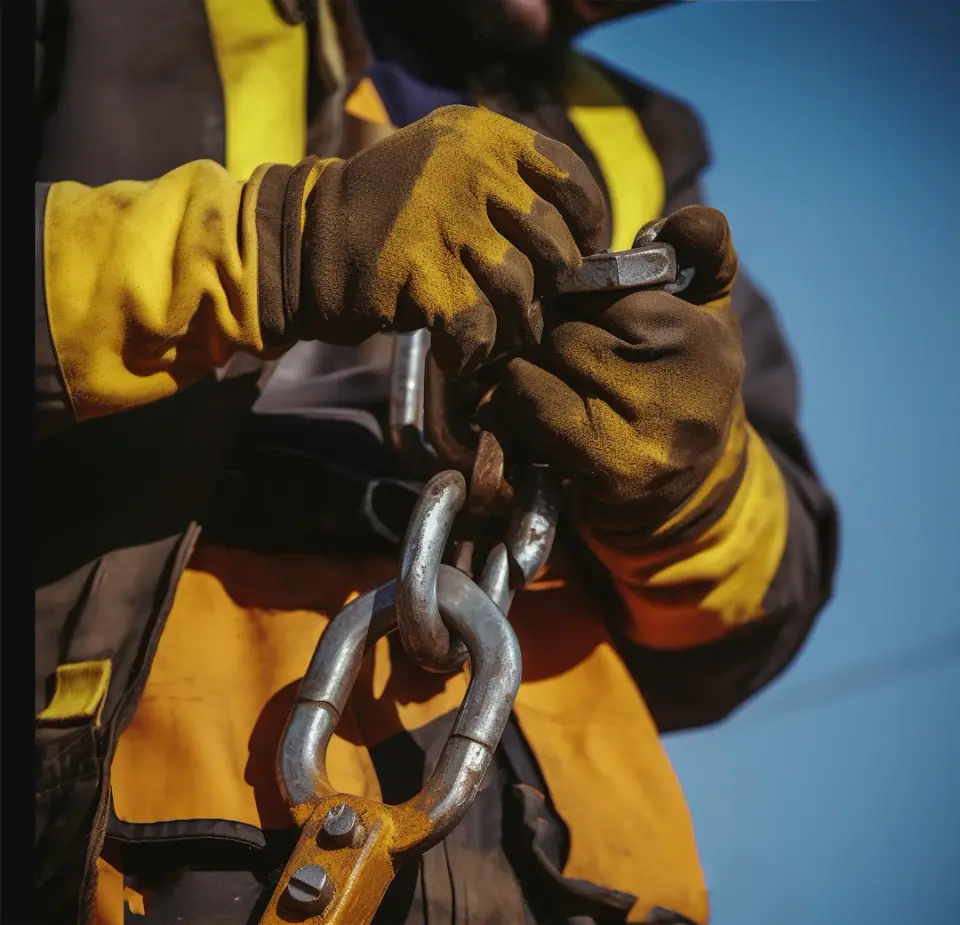
Processing plants tend to need strong rigging skills. Moving pumps, gearboxes and conveyor sections through tight structures calls for good sling selection and clear communication, which is why our rigger qualification and certification program is a common first step for plant maintenance teams.
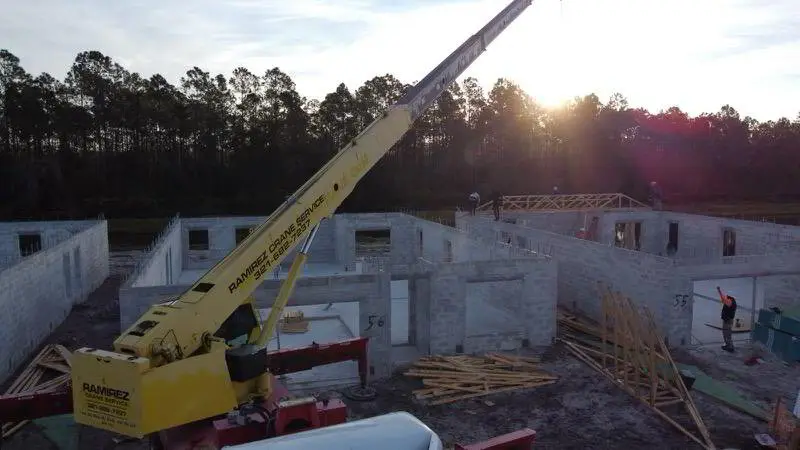
- Contractor operators with hydraulic or lattice experience: mobile crane certification prep for TSS, TLL and LAT
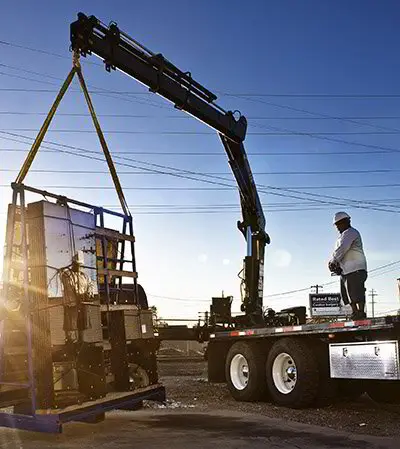
- Tree and storm-cleanup crews running knuckle booms: articulating crane prep
- Supervisors responsible for a plant's lifting program: Managing Crane Safety
Iowa Regulations, Briefly
Iowa is not on the commonly cited list of states with their own crane operator licensing, so federal OSHA rules govern crane work here. Under 29 CFR 1926.1427, operators of construction cranes must be certified by crane type through an accredited body such as NCCCO, and employers can require more.
We are a training provider; NCCCO issues the certifications. For more on how this applies across the state, see our Iowa crane certification page.
Keep in mind that a plant's own safety rules may apply even to lifts that fall outside OSHA's construction standard. Many processors expect contractors to show current certification cards before setting up on their property.
Setting Up Training
For a group, on-site training is usually the efficient choice. We bring the classroom portion to you, practice on your equipment, and our accredited practical examiners can test candidates there. Written exams are coordinated with NCCCO.
For one or two candidates, or a beginner who needs a multi-week course, Seffner is often easier. Open-enrollment dates are on the class schedule.
Questions we will ask
To put together a useful on-site plan, we will want to know how many candidates you have, which of them already hold CCO cards and when those expire, the make and model of each crane, and whether your site has a level, open area suitable for practical testing. Plants should also tell us about any confined areas or permit requirements our instructors need to follow. With that information we can propose a schedule that keeps your lines running while the training gets done, rather than a generic class that ignores how your facility actually works.