A Florida Site Supervisor's Guide: 5 Keys to a Safe and Productive Holiday Push with Crane Operations
Why the Year-End Push Raises Lift Risk
The last weeks of the year compress schedules on Florida job sites. Owners want milestones closed out, crews rotate around holiday time off, and the first cold fronts of the season bring rain and gusty wind. Your crane is usually on the critical path, which makes it both the fastest way to catch up and the biggest source of risk on site.
This is where crane safety for site supervisors becomes a leadership job, not a paperwork job. The pressure to shave a step off a procedure is real. The five areas below are where your direct attention does the most good.
1. Audit the Lift Plan Against Current Conditions
A lift plan written in October may not match the site you have in December. Treat it as a working document and walk it again with the people who will execute it.
- Would a fill-in understand it? Holiday rotations bring new riggers and ground crew. The plan should be clear enough that someone seeing it for the first time can follow it without guessing.
- Does it reflect today's congestion? Close-out work puts more trades in the same footprint. Confirm barricades, swing-radius control and pedestrian routes still work.
- Has the ground changed? Rain after a front can soften soil under outriggers and mats. Re-check ground conditions and weather limits rather than relying on the original assessment.
- Are the weather limits written down? Agree in advance on the wind speed at which lifts stop, who monitors it and how the call is communicated. Deciding that in the moment, with a deadline looming, is how crews talk themselves into one more pick.
Verify credentials yourself
Do not take a subcontractor's word on qualifications. Ask to see the operator's current NCCCO card for the crane type in use, the signalperson's qualification documentation and the rigger's qualification records. Federal rules under OSHA's cranes and derricks standard (osha.gov (opens in a new tab)) put responsibility on the employer, and an assumption that turns out to be wrong becomes a liability after an incident.
2. Lead the Pre-Lift Huddle in Person
The pre-lift meeting is the first thing to get shortened when the schedule tightens. When a supervisor shows up and runs it, the crew sees that it is not optional.
Make it a conversation instead of a nod:
- Have the rigger explain the rigging configuration and the load weight.
- Ask the signalperson to confirm their position, the signal method and the radio channel.
- Ask the operator about machine condition, wind and anything that looks off.
- Remind everyone that any worker can stop the job, and that the operator can refuse a lift they believe is unsafe.
When the crew knows you will back a safety call over the schedule, people speak up early. Supervisors who want a structured framework for this kind of oversight can look at the Managing Crane Safety class, which covers responsibilities, planning and limiting liability.
3. Expect a Qualified Ground Crew, Not Just a Good Operator
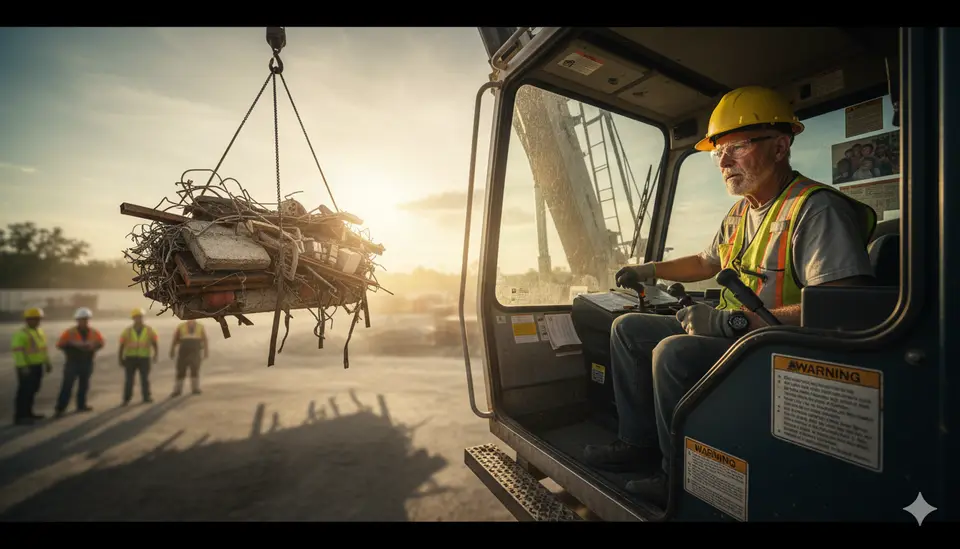
The operator is the most visible person in a lift, but many incidents start on the ground. A skilled operator paired with an untrained rigger or signalperson is still a weak team.
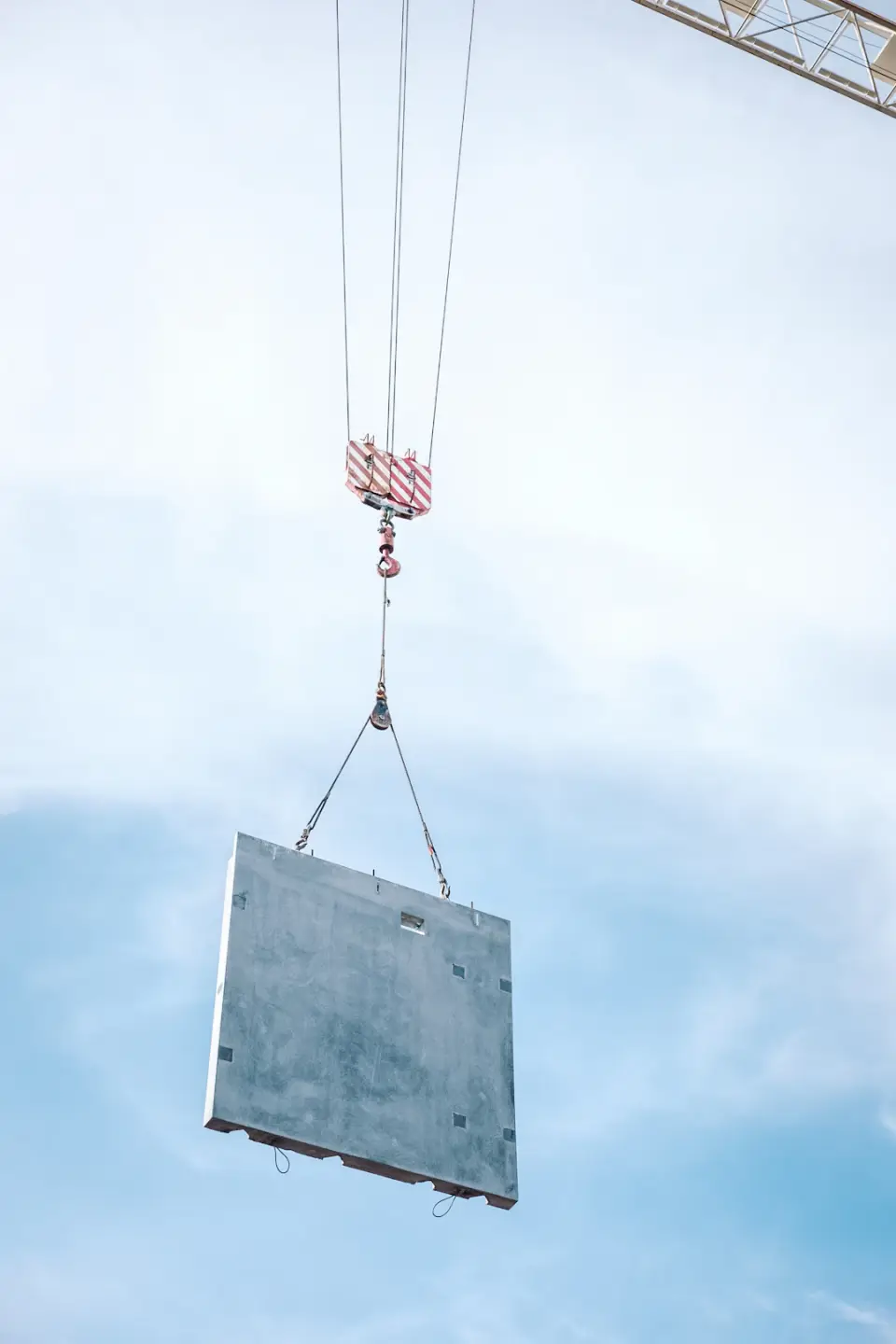
- Rigging errors such as misjudged sling angles, unprotected slings over sharp edges or skipped gear inspections can drop a load.
- Unclear signals can swing a load into a structure, toward a power line or onto a worker.
Hold riggers and signalpersons to the same documentation standard you apply to the operator. Formal training for these roles pays back in fewer re-rigs, cleaner communication and smoother picks. Programs such as rigger qualification and certification and signalperson qualification give your ground crew a shared standard to work from.
4. Keep the Inspection Paper Trail Complete
After an incident or during an OSHA visit, your records speak for you. Do not assume checks are happening; confirm the documentation exists. A good habit is to review crane records on the same day each week so gaps surface before they become findings.
- Shift and daily checks: Spot-check the operator's log. Is it filled out every day, completely?
- Monthly inspections: Confirm each crane has a documented monthly inspection by a competent person.
- Annual inspection: Get a copy of the current annual inspection report, performed by a qualified person, before the crane arrives on site.
An independent, third-party inspection gives you an outside assessment of the machine's condition. The Crane School offers crane inspection services performed by NCCCO-certified inspectors, including annual, monthly and post-incident inspections.
5. Start Building Next Year's Crew Now
While you close out this year, next year's projects are already being bid. The quality of the crews you can put on them depends on decisions you make now.
Look at your own laborers and apprentices. Some of them have the focus and judgment to become operators, riggers or signalpersons. Sponsoring their training builds a team that knows your standards. The Crane School can deliver programs on-site at your facility or at its Seffner headquarters, so employees can train without leaving the region for long.
For more on keeping experienced crews sharp, see our article on conquering complacency in Florida crane work.
Finish the Year Strong and Safe
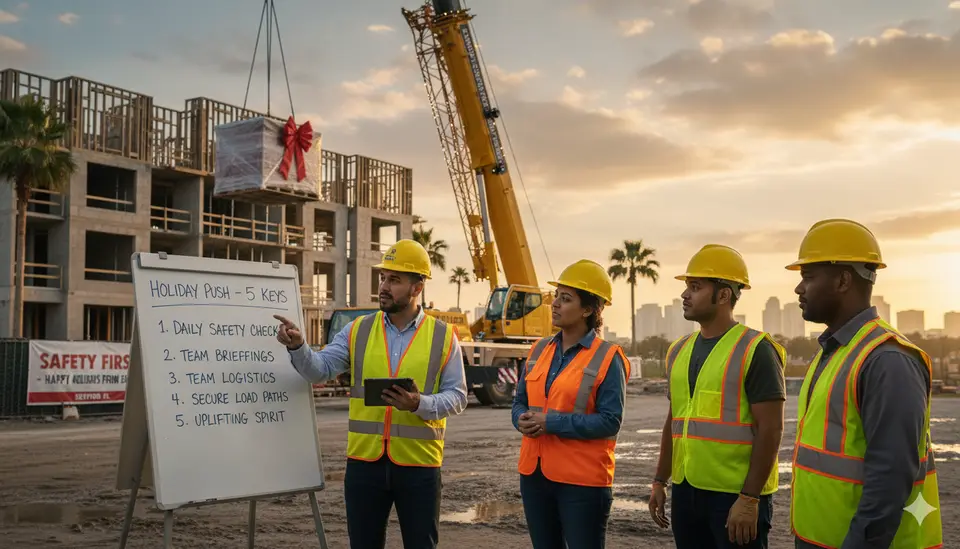
Deadlines matter, but the real goal is a crew that goes home for the holidays. Audit the plan, verify the cards, run the huddle, back your ground crew and keep the records tight.
If you want to plan training or inspections for your team before the new year, contact The Crane School to talk through options.
FAQ
Who is responsible for verifying a crane operator's certification on site?
The employer is responsible under OSHA's cranes and derricks rules. In practice, the site supervisor should check that the operator holds a current certification for the type of crane being used.
How often should a mobile crane be inspected?
Expect shift checks by the operator, a documented monthly inspection by a competent person, and an annual inspection by a qualified person. Keep copies of each on file.
Does a supervisor need crane certification to run a lift?
Supervisors do not operate the crane, but they make planning and staffing decisions. A course like Managing Crane Safety covers those responsibilities.