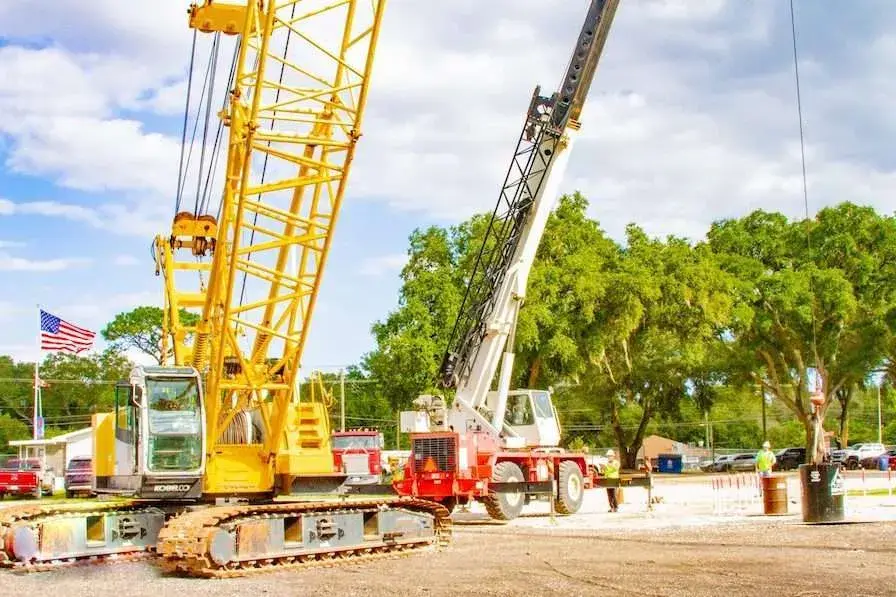
Crane Operations: Handling Emergency Situations Like a Pro
Emergencies Rarely Come Without Warning
Good crane emergency procedures start long before an alarm sounds. In many incidents, the crane or the environment gave signals first: an odd noise, a load that started to drift, a sudden gust, a warning light that someone dismissed. Operators who respond well under pressure are usually the ones who notice those early signs and act on them.
This post walks through the warning signs to watch for, a basic response sequence, specific scenarios, and how to train a crew so its response is automatic.
Warning Signs Every Operator Should Recognize
Stop and assess if you notice any of the following:
- Unusual noises or vibration from the hoist, swing drive, boom or engine
- Jerky or delayed control response, or functions that move on their own
- Load moment indicator or rated capacity limiter warnings, or a system fault message
- Anti-two-block alarms or lockouts
- Rising wind, lightning in the area or a sudden storm cell
- Outrigger pads sinking, cribbing shifting or the crane going out of level
- Hydraulic leaks, smoke or burning smells
- Someone entering the swing radius or the load path
None of these should be "worked through." If you are unsure, bring the load to a safe position and stop.
A Basic Emergency Response Sequence
Every site should have its own written plan, but most crane emergencies follow a similar order of actions:
- Stop the motion. Bring functions to a controlled stop. Avoid sudden reversals that can shock-load the crane.
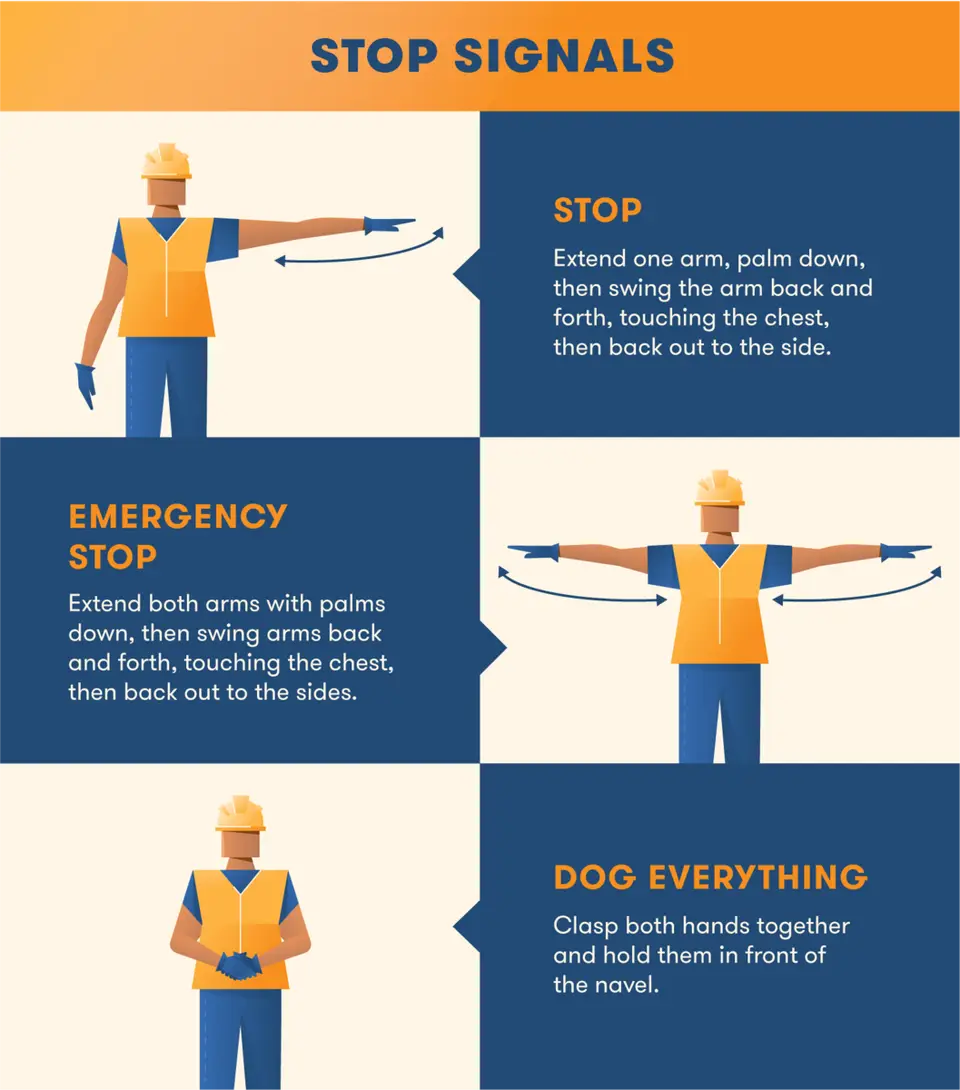
- Communicate immediately. Use the agreed emergency stop signal or radio call so the crew knows to clear the area.
- Make the load safe. If you can, lower it to the ground or a stable surface. If you cannot, hold it steady and keep people out from under it.
- Secure the crane. Set brakes and locks as the manufacturer directs.
- Account for people. Confirm that everyone is clear and check for injuries.
- Call for help. Contact the supervisor, emergency services or the equipment owner as your plan requires.
- Do not restart until cleared. A qualified person should evaluate the crane before it returns to service.
- Document what happened. Record the event while details are fresh.
Remember that, under standard hand signals, anyone can give an emergency stop, and the operator must obey it.
Specific Scenarios and How to Respond
Power line contact
Contact with energized lines is one of the deadliest crane hazards. If contact occurs, the operator should generally stay in the cab unless fire or another danger forces an exit. Warn everyone to stay away from the crane, the load and the rigging. If you must leave, jump clear with feet together and shuffle away without touching the crane and the ground at the same time. Prevention comes first: follow the clearance and planning steps in OSHA 1926.1408.
Hydraulic or mechanical failure
If a function fails or the load begins to drift, stop other motions and use the procedures in the manufacturer's manual to lower the load if it is safe. Do not try to "fix it in the air."
Sudden high wind or lightning
Land the load as soon as safely possible, then follow the manufacturer's instructions for securing the boom. Lightning nearby means everyone, including riggers, should move to a safe location.
Ground failure or loss of stability
If outriggers begin to sink or the crane starts to tip, stop all motions, avoid swinging toward the low side, and lower the load if it can be done safely. Clear the area of all personnel.
Medical emergency in the cab
Crews should know how to reach the operator and who on site is trained in first aid. Your plan should spell out how to secure the crane if the operator cannot.
Who Does What When Things Go Wrong
Confusion about roles wastes time in an emergency. Assign these responsibilities in advance and review them in every pre-lift briefing:
- Operator: stops crane motions, makes the load safe if possible, secures the machine and stays in communication.
- Signalperson: gives the stop signal, keeps eyes on the load and relays information between the cab and the ground.
- Riggers and ground crew: clear the swing radius and load path, keep bystanders back and avoid touching the load or crane.
- Lift director or supervisor: calls emergency services, coordinates the response, controls access to the area and decides when work can resume.
- First aid responders: provide care once the area is safe to enter.
Write names, not just job titles, on the plan for each shift. When everyone already knows their job, the response looks calm and organized, which is exactly what a professional crew should look like.
Equipment That Supports a Fast Response
- Two-way radios on a dedicated channel, with a backup method if radios fail
- Fire extinguisher in the cab, checked regularly
- First aid kit and access to people trained to use it
- Emergency contact list posted where the crew can see it
- Manufacturer's manual in the cab, including emergency lowering procedures
Check these items during the pre-shift inspection, just as you check wire rope and hooks.
Practice Until Response Is Automatic
People under stress fall back on what they have practiced. Run short drills that cover:
- Emergency stop signals and radio calls
- Clearing the swing area quickly
- Power line contact responses
- Securing the crane in sudden weather
After any real incident or near-miss, hold a short review. Ask what warning signs appeared, how the crew communicated and what could be done better. Update the written plan with those lessons. For broader guidance on building a site-specific plan, see our post on developing a personalized crane safety plan.
Training That Prepares You for the Unexpected
Emergency response is covered throughout our programs, from signalperson training that teaches the emergency stop signal to the Managing Crane Safety Class for supervisors who write the plans. To set up training for your crew, contact The Crane School.
FAQ
Should a crane operator leave the cab after power line contact?
Generally no. Staying in the cab is usually safest unless fire or another hazard forces an exit. Then jump clear with feet together and shuffle away, never touching the crane and ground at the same time.
Who can give an emergency stop signal to a crane operator?
Anyone on the job site can give an emergency stop, and the operator must obey it, even if that person is not the designated signalperson.
What should be in a crane emergency response plan?
It should cover warning signs, stop and communication procedures, how to make the load safe, power line and weather responses, emergency contacts, first aid and incident reporting.
How often should crews practice crane emergency drills?
There is no single rule, but short, regular drills, plus a review after any near-miss, help keep responses automatic. Follow your employer and site requirements.