Developing a Personalized Crane Safety Plan for Your Site

Why a Personalized Plan Beats a Generic One
Every jobsite is different. One project has overhead power lines along the street, another sits on fill soil next to a retaining wall, and a third runs two cranes with overlapping swing radii. A one-size-fits-all checklist cannot address all of that.
A crane safety plan tailored to your site translates OSHA requirements, manufacturer instructions and good practice into specific decisions for your project. It answers questions like: where will the crane sit, who is qualified to run it, what is the stop-work wind speed, and who calls 911 if something goes wrong?
A good plan also supports compliance with OSHA's cranes and derricks standard (29 CFR 1926 Subpart CC) and helps protect the company if an incident is ever investigated.
Step 1: Assess the Site
Start with a walk-through and a review of site drawings. Note:
- Ground conditions: soil type, fill, slopes, excavations, buried utilities, vaults and recent rain.
- Overhead hazards: power lines, adjacent buildings, trees and other cranes.
- Access and traffic: how the crane will travel in, where trucks will deliver, and pedestrian routes.
- Weather exposure: typical wind patterns, storm season and heat.
- Neighbors: public sidewalks, roads or occupied buildings within the swing or fall zone.
Mark the crane location, swing radius, laydown areas and barricade lines on a site plan.
Step 2: Match the Plan to the Equipment
Different cranes bring different risks. Document:
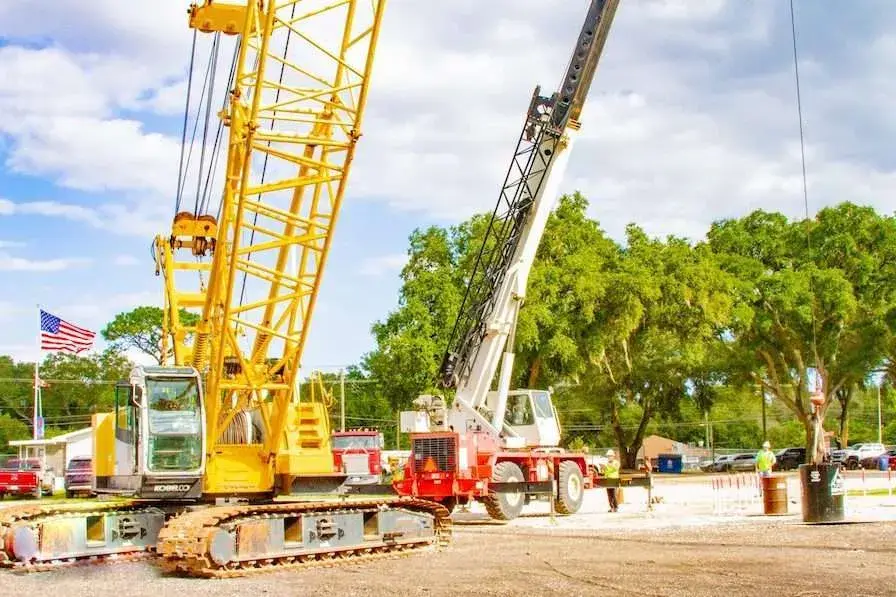
- Crane types and models on site (mobile hydraulic, lattice crawler, tower, articulating or telehandler)
- Configurations you expect to use, including boom length, counterweight and outrigger setup
- Safety devices and operator aids on each machine, such as load moment indicators, anti-two-block systems and range limiters
- Inspection and maintenance requirements from the manufacturer and OSHA
If more than one crane will operate, plan for overlapping work zones and how operators will coordinate.
Step 3: Define Roles and Qualifications
A plan only works when people know their jobs. Spell out:
- Site manager or superintendent: overall authority for crane operations and schedule decisions.
- Lift director: plans and oversees lifts, especially critical or tandem lifts.
- Crane operator: certified or qualified for the crane type under OSHA 1926.1427.
- Riggers: qualified to select and attach rigging.
- Signalpersons: qualified under OSHA 1926.1428.
- Safety representative: audits the plan and leads training and briefings.
Keep copies of certifications and qualification records. Identify gaps early so people can be trained before the crane arrives. Our rigger and signalperson programs are common ways to close those gaps.
Step 4: Write the Core Procedures
Daily inspections
List what the operator checks each shift, how results are recorded and who decides if the crane is taken out of service.
Lift planning
Define which lifts need a written plan. Many companies require one for lifts above a set percentage of capacity, tandem lifts, lifts over occupied areas and personnel lifts.
Load handling
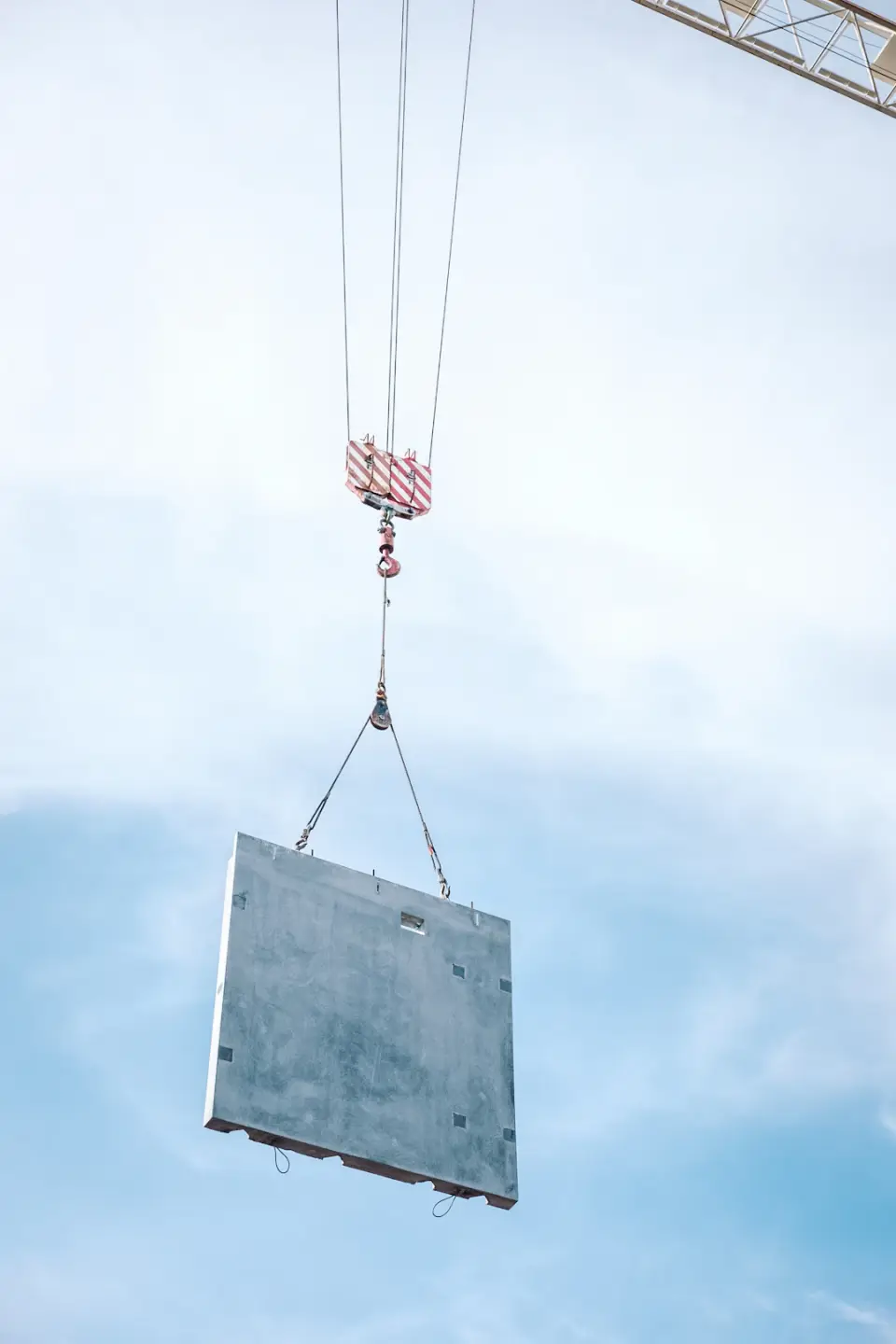
Require verified load weights, inclusion of rigging weight and a capacity check at the maximum radius.
Communication
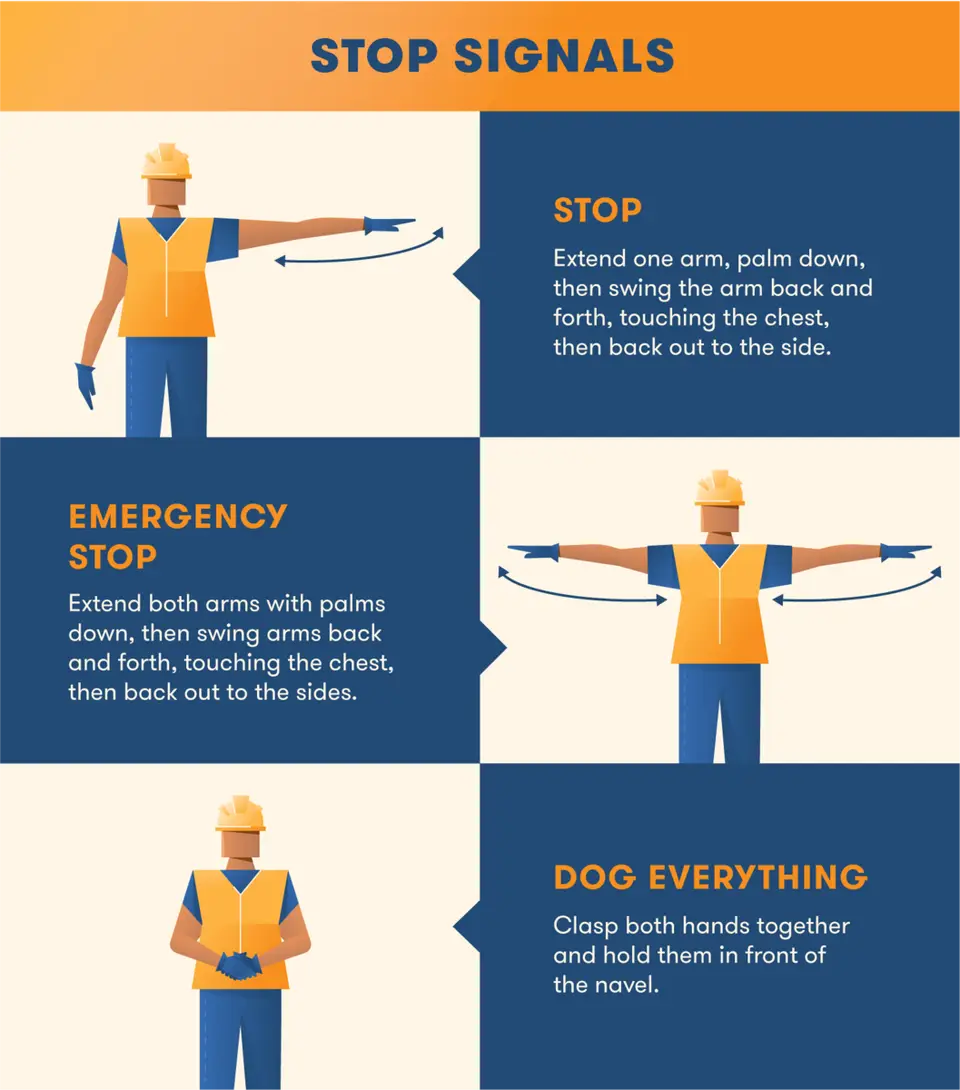
Name the signal method (hand, voice or radio), the designated signalperson for each lift and the emergency stop procedure.
Power lines
Describe how the site will comply with OSHA 1926.1408, including encroachment prevention measures.
Weather
Set stop-work thresholds for wind and lightning based on manufacturer limits.
Step 5: Plan for Emergencies
Your plan should explain what happens when things go wrong:
- How to stop work and communicate an emergency
- How to make a suspended load safe
- Response to power line contact
- Evacuation routes and muster points
- First aid locations and trained responders
- Emergency contact numbers, including the equipment owner
Practice these steps. Our post on crane emergency procedures covers specific scenarios in detail.
Step 6: Train, Brief and Document
The best plan fails if the crew has never seen it. Build it into the daily routine:
- Review the plan with the whole crew before crane work starts.
- Hold short pre-shift briefings that cover the day's lifts and hazards.
- Pair newer operators with experienced mentors.
- Record training, briefings and inspections.
Supervisors who write and enforce the plan benefit from formal training. The Managing Crane Safety Class focuses on planning, responsibilities, inspections and limiting liability.
Step 7: Review and Update
Treat the plan as a living document. Revisit it:
- When the crane, configuration or site layout changes
- After any incident or near-miss
- When new trades or subcontractors arrive
- When regulations or company policies change
- At regular intervals, such as at project milestones or at least annually for long projects
Ask operators and riggers what is working and what is not. They often spot problems first.
Common Gaps in Crane Safety Plans
When plans fall short, it is usually in predictable places. Check yours for these weak spots:
- Copied text from another project. Names, crane models and site hazards that do not match the current job are a sign the plan was never really personalized.
- No stop-work criteria. Phrases like "use caution in high wind" leave the decision to whoever is under the most schedule pressure. Write down numbers from the manufacturer.
- Unclear lift plan triggers. If nobody knows which lifts need a written plan, most will not get one.
- Missing subcontractor coverage. Steel erectors, HVAC contractors and precast crews may bring their own riggers. The plan should say whose procedures apply.
- No feedback loop. If near-misses are never reported or reviewed, the plan cannot improve.
Fixing these gaps does not require a thicker binder. It usually means fewer generic statements and more specific decisions.
Get Help Building Your Plan
Third-party crane inspection services and training for supervisors can make your plan stronger. Contact The Crane School to talk about training your crew and leadership before your next project.
FAQ
What should a crane safety plan include?
At minimum: site assessment, equipment details, roles and qualifications, inspection and lift planning procedures, communication methods, power line and weather controls, and emergency procedures.
Who is responsible for the crane safety plan?
The employer controlling the work is responsible, usually through the site manager or safety lead, but operators, riggers and signalpersons all have defined duties within it.
How often should a crane safety plan be updated?
Update it whenever equipment, site conditions or crews change, after any incident or near-miss, and at regular review intervals.