Crane Safety Tips for Extreme Weather Conditions
Why Weather Belongs in Every Lift Plan
A crane's load chart assumes certain conditions: a level machine on firm ground and wind within the manufacturer's limits. Weather can undo all three. Gusts push on the load and boom, rain softens the ground under outrigger pads, and heat or cold affect both the machine and the people running it.
Planning for crane safety in extreme weather means making weather decisions before the crane is in the air, not during a crisis. The tips below are organized by condition, followed by planning and training steps that tie them together.
High Wind
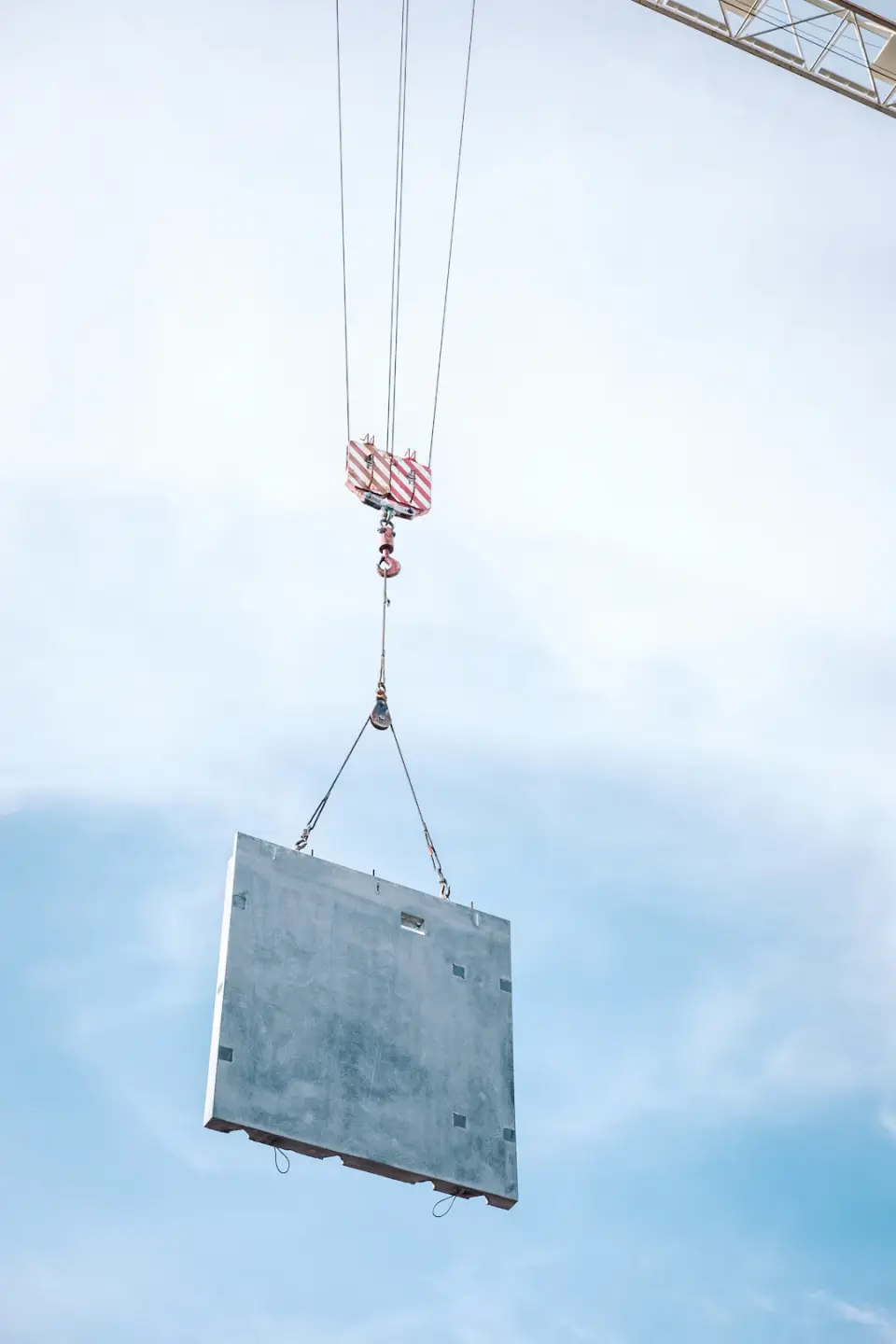
Wind is the weather hazard most likely to cause a crane incident. It acts on the boom and, more importantly, on the load. A large, light load such as a roof panel or wall form can catch wind like a sail.
Know your limits
Wind limits come from the crane manufacturer, not from rules of thumb. Many manuals list a maximum wind speed for operation and reduced capacities or prohibited configurations at certain speeds. Read them for your exact setup.
Measure, do not guess
Wind at the boom tip is often stronger than at ground level. Use the crane's anemometer if it has one, or a reliable handheld wind meter, and check it throughout the shift.
Practical steps
- Consider the load's surface area, not just its weight.
- Use taglines to control rotation, but never as a substitute for stopping when wind is too strong.
- Land loads before forecast gusts arrive.
- Secure the crane at shift end according to the manufacturer's out-of-service instructions.
Lightning and Thunderstorms
A crane boom is often the tallest object on site. When lightning is in the area, crane work should stop and everyone, including riggers and signalpersons, should move to a safe shelter. Many sites follow the "when thunder roars, go indoors" approach and wait a set time after the last thunder before resuming.
Afterward, have a qualified person check the crane if a strike is suspected. Electrical systems, wire rope and bearings can be damaged without visible signs.
Heavy Rain and Flooding
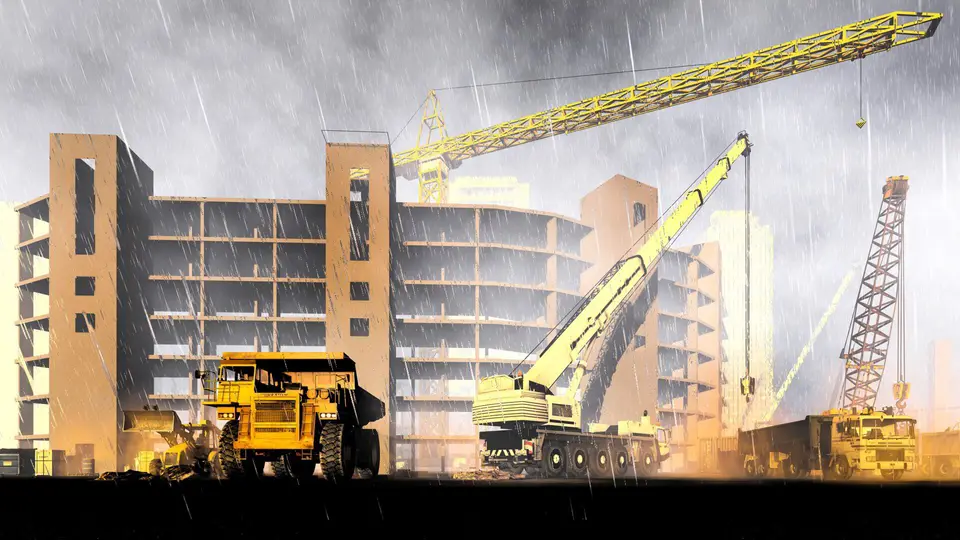
Rain rarely tips a crane directly, but it changes the ground the crane stands on.
- Recheck outrigger and crawler support after heavy rain. Saturated soil can lose bearing capacity quickly.
- Watch for washouts near excavations, slopes and drainage paths.
- Limit work when visibility drops, especially if the operator depends on visual contact with the signalperson.
- Dry off controls, steps and handholds to prevent slips when getting into and out of the cab.
In regions with long rainy seasons or hurricane threats, build these checks into the daily routine rather than treating them as special events. Gulf Coast hurricane season, for example, often brings repeated days of saturated ground, so a single morning check may not be enough.
Extreme Heat
Heat affects people first. Operators sitting in a hot cab for hours can lose focus, and riggers working in direct sun face heat exhaustion and heat stroke.
- Schedule water, rest and shade breaks, and adjust them as the day heats up.
- Make sure cab air conditioning works, or plan more frequent breaks if it does not.
- Watch each other for signs of heat illness such as confusion, dizziness and heavy sweating that suddenly stops.
- Monitor engine and hydraulic temperatures, and follow the manufacturer's guidance for hot-weather operation.
- Start heavy work earlier in the day when possible.
Cold, Snow and Ice
Cold weather introduces a different set of problems:
- Warm up the machine as the manufacturer directs so hydraulic oil and lubricants reach operating temperature.
- Clear snow and ice from walkways, steps, the cab and the boom. Ice adds weight and can fall from height.
- Account for ice on the load, which increases weight and changes the center of gravity.
- Watch for frozen ground that thaws during the day, which can change outrigger support mid-shift.
- Check wire rope and steel components, since some materials become more brittle at very low temperatures.
- Protect people with proper cold-weather gear and warm-up breaks.
Monitoring and Communication
Good weather decisions depend on good information.
- Review the forecast at the start of each shift and before any critical lift.
- Use on-site wind measurement during the work.
- Set clear stop-work thresholds in the lift plan so nobody has to argue in the moment.
- Assign one person to watch weather alerts and radar during storm season.
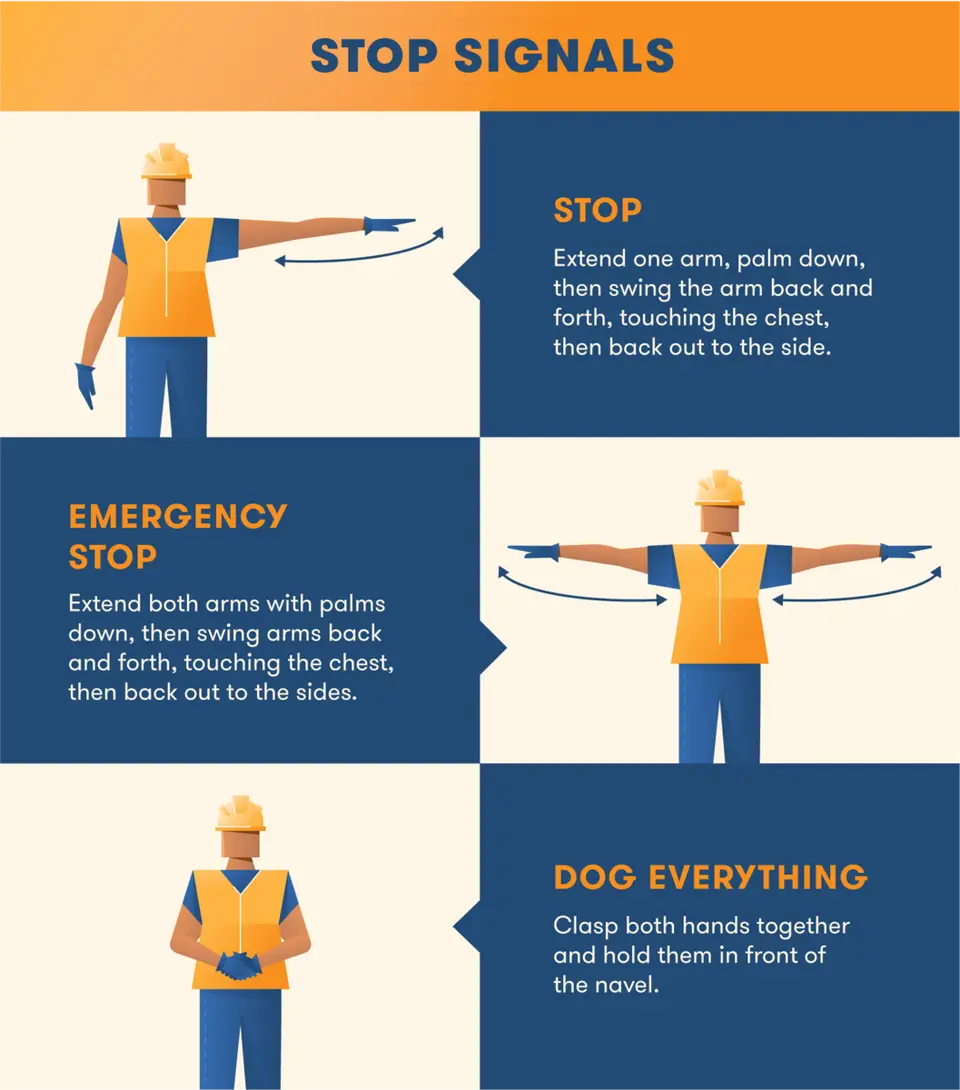
- Make sure every crew member can give and receive a stop signal, and that radios work in rain.
Weather calls can feel like they slow the job down. In practice, a clear plan saves time because the crew knows in advance what will happen when conditions change.
Training and Drills for Weather Events
Operators should practice securing the crane quickly, and crews should rehearse clearing the area when a storm approaches. Supervisors benefit from training on writing weather criteria into lift plans and making shutdown decisions. Our Managing Crane Safety Class covers planning responsibilities, and our post on crane emergency procedures explains how to respond when weather turns suddenly.
If your fleet has been through a severe storm, schedule an inspection before returning to full service. Crane inspection services can document that the equipment is ready.
Prepare Your Crew
Weather will always be part of crane work. Planning, monitoring and training turn it from a surprise into a managed risk. Contact The Crane School to set up weather-ready safety training for your operators and supervisors.
FAQ
What wind speed is too high for crane operation?
It depends on the crane, its configuration and the load. Follow the manufacturer's wind limits in the operator's manual and load chart, and stop when measured wind exceeds them.
Should crane work stop during lightning?
Yes. Stop crane operations, move everyone to safe shelter, and wait until the storm has passed according to your site policy before resuming.
Does rain affect crane stability?
It can. Heavy rain can soften soil under outriggers or crawlers. Recheck ground support and mats after significant rainfall.