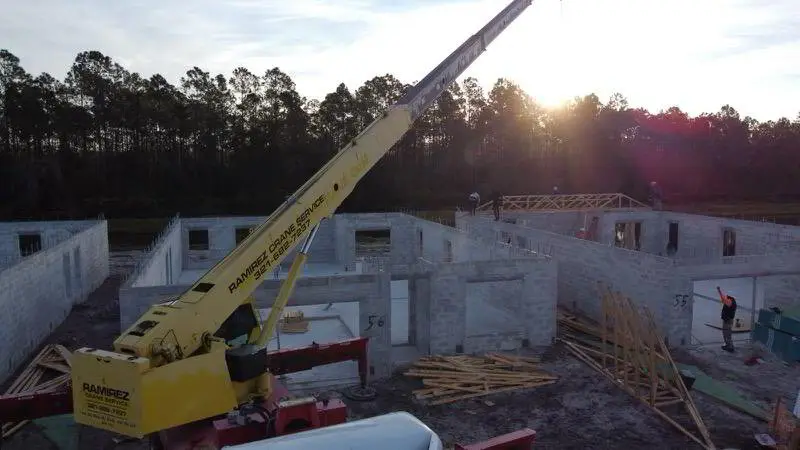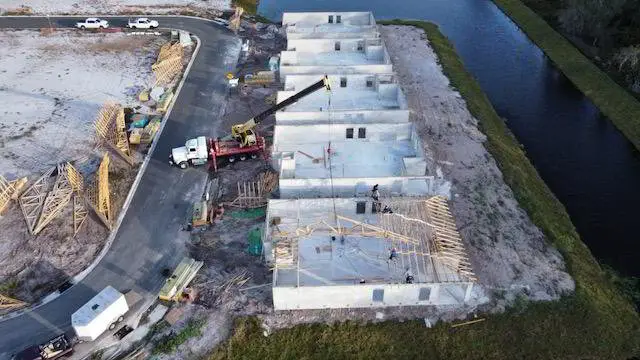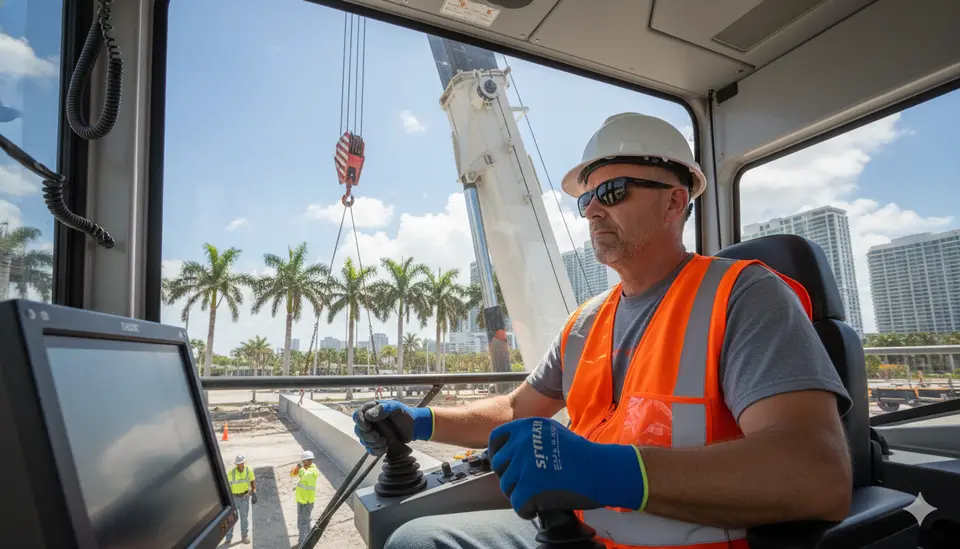
Navigating Mobile Crane Operator License Requirements in Florida
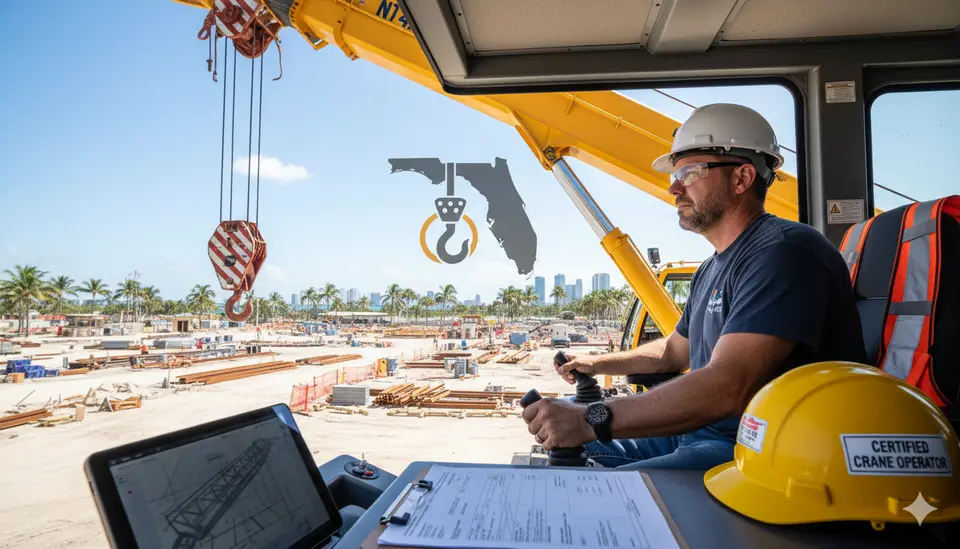
Why the Word License Causes Confusion
Search for a mobile crane operator license in Florida and you will find plenty of articles describing a state process. In practice, Florida is not generally listed among the states that run their own crane operator licensing program. What employers mean by a crane license is usually an NCCCO certification card for the right crane type, backed up by the employer's own evaluation.
Rules can change, and cities or counties can attach conditions to permits for specific projects. Always confirm with the local jurisdiction where you will work. This article focuses on mobile cranes. For tower cranes, see our separate guide to tower crane operator requirements in Florida.
The Three Layers That Apply to Mobile Cranes
Layer 1: Federal OSHA rules
For construction work, OSHA's cranes and derricks standard (29 CFR 1926 Subpart CC) applies in Florida. Section 1926.1427 requires operators to be certified, and since OSHA's 2018 update, certification is based on crane type rather than capacity. Read the standard at osha.gov (opens in a new tab).
Layer 2: Certification by crane type
An accredited testing organization such as NCCCO certifies you through written and practical exams for each type. The card is valid for five years.
Layer 3: Employer evaluation
OSHA also requires employers to evaluate operators to confirm they can safely run the specific crane and perform the assigned tasks. Your card gets you considered; the evaluation gets you in the seat on that job.
Matching Your Mobile Crane to the Right NCCCO Designation
The biggest practical question for mobile operators is which certification covers which machine. NCCCO's mobile crane program uses these designations:
| Designation | Covers | Common examples |
|---|---|---|
| TSS | Telescopic boom, fixed cab | Boom trucks and smaller truck-mounted hydraulic cranes where the cab does not rotate with the upper |
| TLL | Telescopic boom, swing cab | Rough-terrain, all-terrain and truck cranes with a cab on the rotating upper |
| LAT | Lattice boom crawler and truck cranes | Crawler cranes used on bridges, ports and heavy industrial work |
If you run more than one type, you need each designation. Check NCCCO's current descriptions on nccco.org (opens in a new tab) if you are unsure where a particular machine falls.
How the exams are structured
NCCCO mobile crane written testing includes a core exam plus a specialty exam for each designation. Each designation also has its own practical exam on that crane type, scored by an accredited examiner.
What Employers in Florida Typically Check
Even without a state license, Florida contractors and owners usually look for:
- A current CCO card showing the correct designation for the crane on their job.
- Expiration date well clear of the project schedule.
- Experience on similar machines and lifts, often verified by references.
- Medical and drug-testing compliance under company policy.
- Site-specific training for refineries, ports, utilities or other controlled sites.
Some employers also want operators to understand rigging and signaling well enough to catch problems. That is one reason many operators add rigger qualification and certification.
Florida Conditions That Affect Mobile Crane Work
Certification is national, but Florida conditions shape how you apply it:
- Wind and storms. Afternoon thunderstorms and hurricane season make wind limits and lightning procedures a routine part of planning.
- Soft and sandy soils. Ground conditions change after heavy rain. Outrigger support and cribbing deserve extra attention.
- Tight urban sites and power lines. Dense developments put cranes near traffic, pedestrians and overhead lines, where OSHA's power line provisions apply.
- Heat. Long, hot shifts affect fatigue and focus.
Good training covers these topics, not just exam content.
Common Misconceptions About Florida Crane Licensing
A few myths come up again and again with people new to mobile crane work:
- "My school certificate is my license." A training certificate shows you completed a course. The certification employers look for comes from NCCCO or another accredited body after you pass its exams.
- "One card covers every crane." Certification is by type. A TSS card does not cover a lattice boom crawler, and a mobile crane card does not cover a tower crane.
- "Once certified, I'm set for life." CCO cards expire after five years. Let one lapse and you cannot legally operate on construction work until you recertify.
- "A CDL is required to run a crane." It is not. Some employers require one if you will drive the crane on public roads, which is a separate question from operating it.
- "Certification means I can run any crane on any site." Employers must still evaluate you on their equipment, and controlled sites often add their own training.
Clearing up these points early saves money and avoids surprises when you show up for a job.
Preparing for Mobile Crane Certification
Your starting point decides your program:
- New to cranes: The initial mobile crane operator training program runs 3 weeks (TSS and TLL) or 5 weeks (adding LAT), full-time Monday through Thursday.
- Experienced and ready to test, or recertifying: The mobile crane operator certification prep program runs Friday through Monday once a month, with practical exams Friday, classroom Saturday and Sunday and written exams Monday morning.
Both are based at The Crane School's Seffner headquarters, near Tampa, and employers can arrange delivery on-site.
Staying Compliant Over Time
Track your card's expiration and plan recertification in the final year. Keep a copy of your card available on site, and keep a simple record of the crane models and configurations you have run, which helps with employer evaluations.
For a broader look at every role that needs certification or qualification, read crane operator certification requirements in Florida. To discuss which designation fits your work, contact The Crane School.
FAQ
Do I need a separate certification for a boom truck?
Many boom trucks fall under NCCCO's telescopic boom, fixed cab (TSS) designation. Confirm the classification for your machine with NCCCO's current descriptions.
Does the crane's capacity change which certification I need?
Under OSHA's 2018 update, certification by type satisfies the federal requirement, though some certifications still note capacity and employers may set their own rules.
Can I work in another state with my Florida-earned CCO card?
NCCCO certification is national. States and cities with their own licensing may add requirements, so check before working there.