
Crane operator certification for Dover and Delaware's capital region
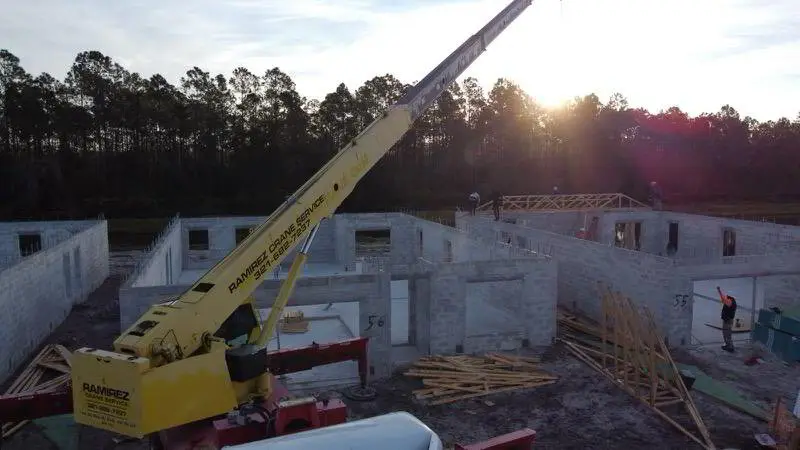
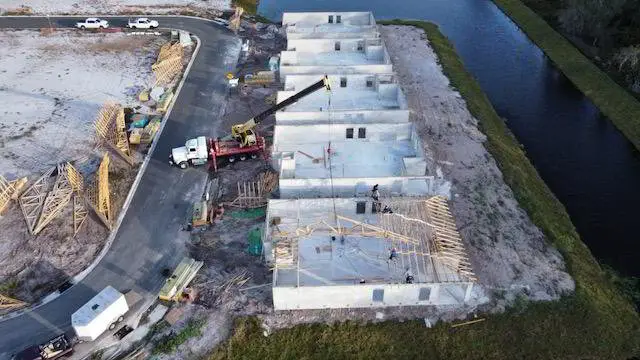
As both the state capital and the hub of Kent County, Dover combines government offices, Dover Air Force Base, farms and food processors with ongoing home and commercial construction up and down Route 1 and US-13. Lifting jobs here range from steel erection on public buildings to setting grain-handling equipment and placing trusses on new subdivisions.
Employers in Dover, DE can have crane operator certification training held right on their own property. We have no Delaware office — the only school building is in Seffner, Florida. So the instructors come north, along with staff examiners accredited to give NCCCO practicals on your cranes.
Which program fits a Kent County crew?
Operators with seat time
Crews already working hydraulic or lattice machines, whether certifying fresh or renewing, can get ready for NCCCO TSS, TLL and LAT in our mobile crane certification prep course.
Telehandlers on farms and building sites
Around Kent County, farms and housing jobs alike lean heavily on telehandlers. Hang a load from one the way a crane would, and certification starts to matter. Our telehandler operator program covers the NCCCO THO exams.
Ground crews
One visit can also cover riggers and signalpersons, putting everyone who hooks, steers and directs a load on the same page as the operator.
Rules that apply in Delaware
Delaware does not show up on the usual lists of states that license crane operators themselves. That puts federal OSHA in charge — mainly 29 CFR 1926 Subpart CC on construction sites, with section 1926.1427 spelling out operator certification. You can read the standard on osha.gov (opens in a new tab). Military and government facilities, owners and employers can all go further, so read each job's contract specs.
Cards are issued per crane type, and they come from NCCCO rather than from us. For options elsewhere in the state, see our statewide Delaware overview.
Weather and ground on the Delmarva Peninsula
Dover is flat and low-lying, and that makes ground conditions a constant question. Outrigger footing can suffer on sandy ground, where the water table runs high, or in fields soaked by a hard rain. Summer thunderstorms and coastal storms add wind and lightning, and a passing nor'easter can shut down a lift day.
Instructors bring these local realities into practical sessions, from cribbing and mat decisions to wind limits from the load chart and the manufacturer. On farm and food-processing sites, operators also learn to watch for drainage ditches, buried lines and soft field edges that are easy to miss when a site looks level. Hot, humid summers bring their own risks: crews need water, shade and breaks built into the plan, and operators should watch for fatigue in a hot cab during long lift days.
Travelling to Seffner from Dover
People just entering the trade usually pick our full-time beginner crane operator course in Seffner. Three weeks gets you telescopic machines plus TSS and TLL; five weeks folds in lattice booms and LAT. Class meets Mondays through Thursdays, and Seffner hosts a CCO written exam each month.
Most Dover students fly from Philadelphia or Baltimore into Tampa International. See where to stay for our discounted hotel rate near the school, and message the office to check seat availability.