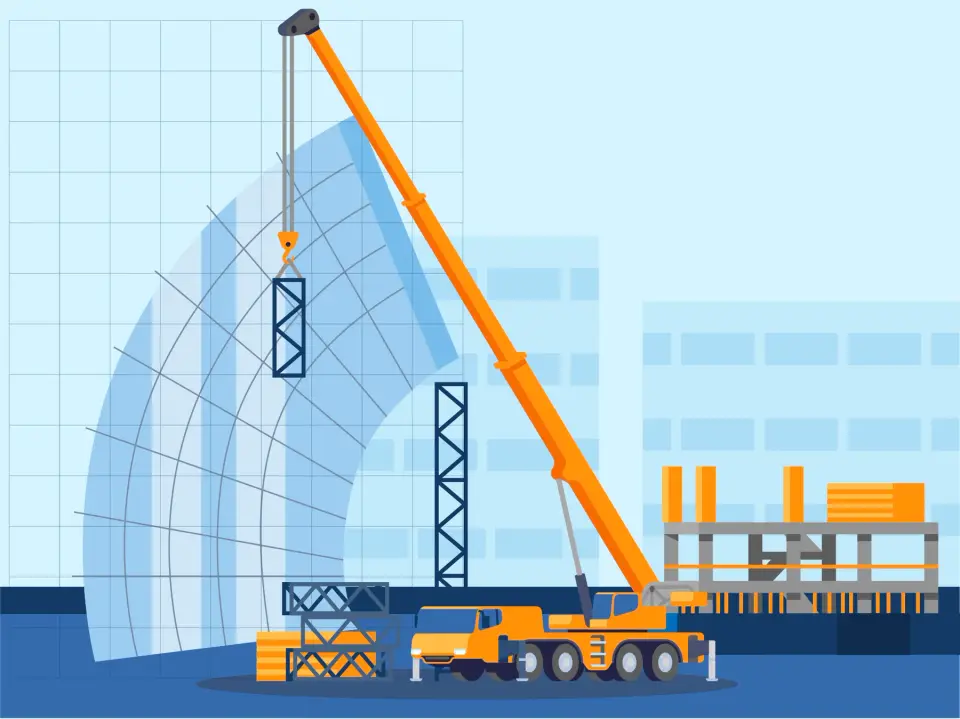

Crane lifting a rooftop mechanical unit onto a laboratory building
Cambridge, Massachusetts

NCCCO Crane Training for Cambridge, MA Job Sites

Rooftop equipment, lab buildings and campus courtyards create some of the tightest lifts in New England. Prepare your Cambridge crew for NCCCO exams.

Campus and Lab Work Changes the Lift

Cambridge is home to Harvard and MIT, and much of its construction happens on or near university campuses and research buildings. Lab construction brings heavy rooftop mechanical units, exhaust fans and generators, often lifted over occupied buildings into spaces barely larger than the load.

That is a different discipline from open-site steel erection. NCCCO crane training for Cambridge crews should put extra weight on load charts at long radius, rigging for unusual centers of gravity, and communication when the operator loses sight of the landing area.

Equipment and the Programs That Match

  • Rooftop units and mechanical lifts: experienced mobile crane operators prepare for TSS, TLL and LAT exams in the mobile crane certification prep program.
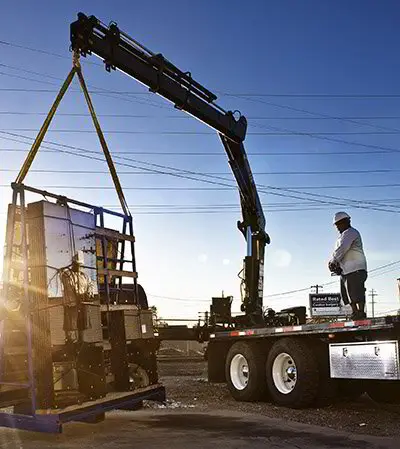
  • Material deliveries and smaller picks: knuckle-boom trucks are common on narrow streets. The articulating crane prep program covers NCCCO ABC, ABL and ABW exams.
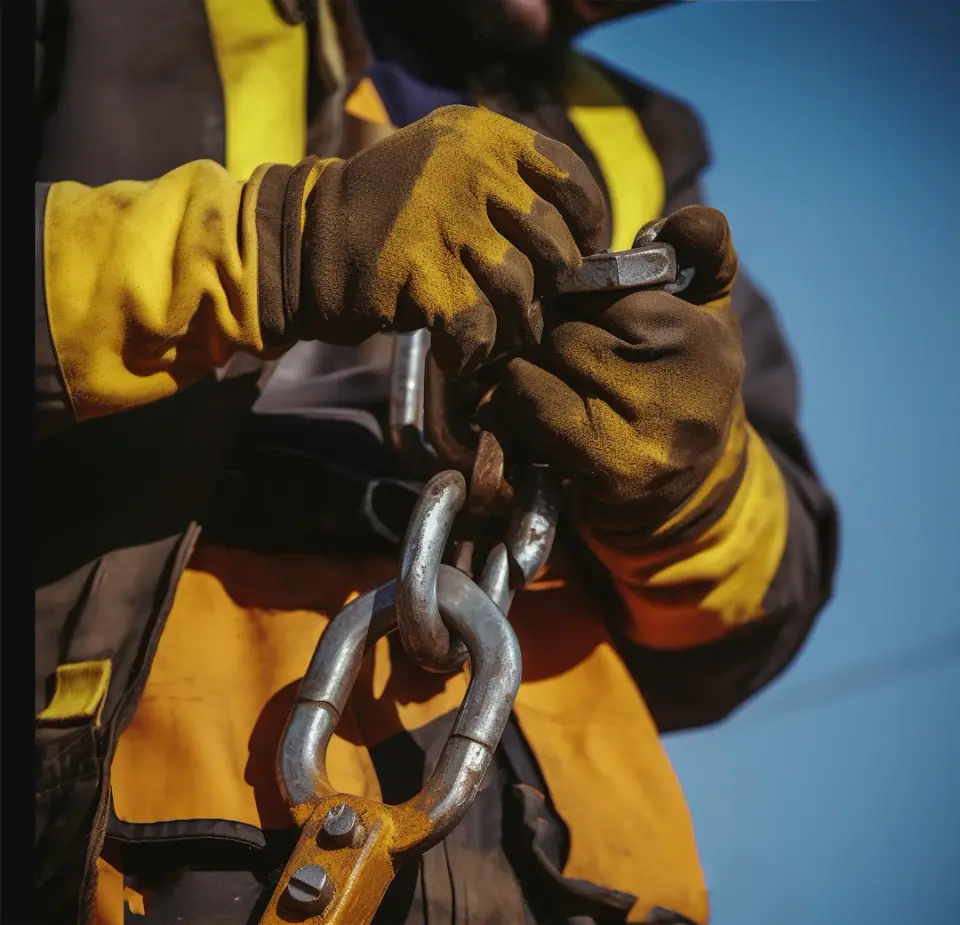
  • Ground crews: the rigger certification program prepares workers for NCCCO Rigger Level I and II, and signalperson training covers standard hand and voice signals.

For laboratory jobs, the rigger is often the person who decides how a delicate, top-heavy unit gets slung. That role deserves formal training.

Many Cambridge jobs also involve brief street or sidewalk closures, which compress the window for each pick. A crew that has trained together to the same signal standard tends to set up faster and spend less time sorting out who is directing the load.

A Note on State Requirements

Massachusetts has state-level crane operator requirements in addition to OSHA, so confirm current rules with the state agency and NCCCO's state licensing information before you work there. OSHA's Subpart CC applies to construction crane operations across the country.

Our Massachusetts NCCCO prep overview gathers statewide information in one place.

On Your Site or at Our Florida Center

The Crane School trains from one location, in Seffner, Florida. There is no Cambridge classroom, but our instructors travel. Mechanical and rigging contractors with a yard can host a class, and our accredited examiners can arrange NCCCO practical exams there.

If you would rather send a person or two to us, open-enrollment classes run in Seffner year-round, with CCO written exams offered monthly. Lodging is available near the school at the Holiday Inn Express Tampa Fairgrounds, which offers a Crane School rate when you call the hotel directly. Students fly into Tampa International, and the school is a short drive east of the airport. Multi-week programs meet Monday through Thursday, which leaves Fridays open for travel home.

Why Rigging Gets Extra Attention Here

Rooftop units often have offset centers of gravity, and the lifting points the manufacturer provides may not suit the rigging a crew has on hand. Reading the load, selecting hardware and checking sling angles are skills tested in rigger certification. Our article on load calculations explains why small errors grow quickly at long radius. Ask about combining rigger and signalperson training in one visit.

Operators should also be comfortable with the load chart deductions that come with rigging hardware, jibs and other attachments, because they are easy to overlook when the margin at long radius is already thin. Those calculations are part of the written exam, and they are just as important when a heavy chiller is hanging over an occupied lab.
Frequently Asked Questions

Our company only does rooftop mechanical lifts. Which certification do our operators need?

It depends on the crane. Telescopic hydraulic cranes fall under TSS or TLL, lattice boom under LAT, and knuckle-boom units under the articulating exams. Tell us your equipment and we will help you sort it out.

Can rigging and signal training be done in a single on-site visit?

Often, yes. Many employers combine programs so the whole ground crew trains together. Contact us to plan it.

How long is an NCCCO certification good for?

Five years. Recertifying during the last year before it expires avoids a lapse.

The Crane School

Training Programs & Services

All programs are delivered in compliance with current OSHA regulations.

Mobile Crane Operator Certification Prep Program

For experienced operators ready to certify or recertify. Includes NCCCO TSS, TLL and LAT written and practical exams.

Learn more about Mobile Crane Certification Prep

Initial Mobile Crane Operator Training Program

For people with little or no crane experience. 3-week (TSS/TLL) and 5-week (adds LAT) programs with NCCCO exams.

Learn more about Initial Mobile Crane Training (3 & 5 Week)

Articulating Crane Operator Certification Prep Program

For knuckle-boom operators. Prepares you for the NCCCO ABC, ABL and ABW written and practical exams.

Learn more about Articulating Crane Certification Prep

Rigger Qualification / Certification Program

For personnel who rig loads to cranes — supports your rigger qualification and NCCCO Rigger Level I/II exams.

Learn more about Rigger Level 1 & 2

Signalperson Qualification / Certification Program

Standard hand and voice signals for directing cranes, plus preparation for the NCCCO Signalperson exams.

Learn more about Signalperson

Managing Crane Safety Class

For managers and supervisors: OSHA compliance, lift planning, inspections, certification and liability.

Learn more about Managing Crane Safety

Telehandler Operator Program

Certification or recertification for telehandler operators. Includes the NCCCO THO written and practical exams.

Learn more about Telehandler Operator

Crane Inspection Services

Annual, monthly, post-assembly and post-incident inspections plus load testing by NCCCO-certified inspectors.

Learn more about Crane Inspections

Related Reading

Crane Operator Practice Test

Ten quick questions on crane safety rules and NCCCO basics. Pick one answer per question — your score shows on the next page.

1. Which OSHA standard covers cranes and derricks used in construction?
2. How long is an NCCCO crane operator certification valid before recertification?
3. What does NCCCO stand for?
4. Under OSHA's current construction crane rule, operator certification must be obtained by:
5. Under OSHA Table A (1926.1408), what is the minimum clearance from power lines rated up to 50 kV?
6. When is a signal person required?
7. Whose emergency stop signal must a crane operator obey?
8. What does an anti-two-block device prevent?
9. Which document gives a crane's rated capacity for a given boom length and radius?
10. Which NCCCO designation covers telescopic boom cranes with a swing cab?