
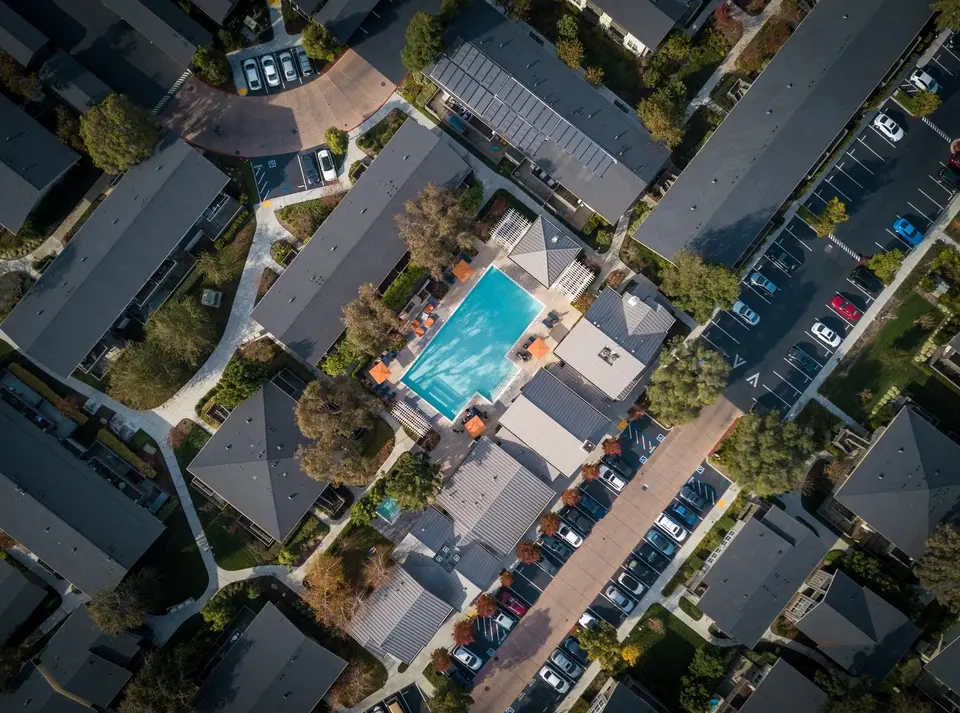
Crane setting steel on a sloped urban construction site in New England
Worcester, MA

NCCCO Crane Certification for Worcester and Central Massachusetts

Hilly sites, hospital and college projects, and warehouse growth along the turnpike all need certified crane crews. Start your Worcester team's NCCCO prep here.

Setting Up on Worcester's Hills

Worcester is known for its hills, and that shows up on job sites. Sloped lots, retaining walls and cramped urban streets make crane setup and outrigger placement a real part of every lift. The city's colleges and medical centers generate steady institutional construction, and warehouse and distribution buildings have spread along the major highways that cross Central Massachusetts.

NCCCO crane certification for Worcester operators puts particular value on setup knowledge: level, ground conditions and how slope affects capacity. A crane that is even slightly out of level loses capacity and can side-load its boom, and Worcester's grades make that a daily concern rather than a textbook one.

Training Paths for Central Mass Crews

Most companies here train a combination of roles:

  • Operators with experience prepare for TSS, TLL or LAT exams through the mobile crane prep program.
  • Riggers and signalpersons prepare for NCCCO certification, or employers use rigger qualification to back their own qualified-rigger process.
  • Supervisors take the Managing Crane Safety class, which covers OSHA and industry compliance, lift planning and inspections.

Training a supervisor alongside operators gives the whole job a shared understanding of who is responsible for what before the crane arrives.

Warehouse builders may also run rough-terrain telehandlers for roofing and material placement. The NCCCO THO exams cover those machines, and our telehandler program can be added to an on-site visit for crews that switch between equipment.

Where the Training Happens

Our training center is in Seffner, Florida, and it is the only one we operate. Worcester employers can still train locally by hosting us: instructors travel to your facility, and accredited practical examiners can run NCCCO practical exams on your equipment.

For individuals, the drive-or-fly option is open enrollment in Seffner. The monthly mobile crane prep runs Friday through Monday, and the optional Thursday practice slots help operators who want time on the exam course first. Check the schedule of upcoming classes before you plan travel.

State Requirements in Massachusetts

Massachusetts has state-level crane operator requirements in addition to OSHA, and you should confirm current rules with the state agency and NCCCO's state licensing information before you work there. Federal OSHA construction rules apply as well, including the requirement that operators be certified for the type of crane they run. A card for a telescopic crane does not cover a lattice boom crawler, so match certifications to the fleet. You can find more statewide information on our Massachusetts crane school page.

Winter Planning for On-Site Exams

Central Massachusetts gets real snow, and practical exams need a safe, clear, stable course. If you plan to host an on-site session, schedule it when your yard is reliably usable, or send operators to Florida during the coldest months. Our article on extreme weather crane safety is a useful refresher for crews heading into winter work.

Cold also affects people. Candidates who have been in a heated cab all season can be stiff and distracted standing on a frozen exam course, so build breaks and warm-up space into an on-site day. If you plan to travel instead, CCO written exams are held monthly in Seffner, so a written retest or a missed exam does not mean waiting long.
Frequently Asked Questions

Does a sloped yard work for an on-site practical exam?

The exam course has to meet NCCCO's setup requirements, which generally means firm, level ground. We will talk through your site before scheduling.

Can a Worcester supervisor take the safety class without operator training?

Yes. The Managing Crane Safety class is meant for management personnel and stands on its own.

How often are written exams offered?

CCO written exams are offered every month at the Seffner, Florida headquarters, and you can ask about written-exam options when you book group training.

The Crane School

Training Programs & Services

All programs are delivered in compliance with current OSHA regulations.

Mobile Crane Operator Certification Prep Program

For experienced operators ready to certify or recertify. Includes NCCCO TSS, TLL and LAT written and practical exams.

Learn more about Mobile Crane Certification Prep

Initial Mobile Crane Operator Training Program

For people with little or no crane experience. 3-week (TSS/TLL) and 5-week (adds LAT) programs with NCCCO exams.

Learn more about Initial Mobile Crane Training (3 & 5 Week)

Articulating Crane Operator Certification Prep Program

For knuckle-boom operators. Prepares you for the NCCCO ABC, ABL and ABW written and practical exams.

Learn more about Articulating Crane Certification Prep

Rigger Qualification / Certification Program

For personnel who rig loads to cranes — supports your rigger qualification and NCCCO Rigger Level I/II exams.

Learn more about Rigger Level 1 & 2

Signalperson Qualification / Certification Program

Standard hand and voice signals for directing cranes, plus preparation for the NCCCO Signalperson exams.

Learn more about Signalperson

Managing Crane Safety Class

For managers and supervisors: OSHA compliance, lift planning, inspections, certification and liability.

Learn more about Managing Crane Safety

Telehandler Operator Program

Certification or recertification for telehandler operators. Includes the NCCCO THO written and practical exams.

Learn more about Telehandler Operator

Crane Inspection Services

Annual, monthly, post-assembly and post-incident inspections plus load testing by NCCCO-certified inspectors.

Learn more about Crane Inspections

Related Reading

Crane Operator Practice Test

Ten quick questions on crane safety rules and NCCCO basics. Pick one answer per question — your score shows on the next page.

1. Which OSHA standard covers cranes and derricks used in construction?
2. How long is an NCCCO crane operator certification valid before recertification?
3. What does NCCCO stand for?
4. Under OSHA's current construction crane rule, operator certification must be obtained by:
5. Under OSHA Table A (1926.1408), what is the minimum clearance from power lines rated up to 50 kV?
6. When is a signal person required?
7. Whose emergency stop signal must a crane operator obey?
8. What does an anti-two-block device prevent?
9. Which document gives a crane's rated capacity for a given boom length and radius?
10. Which NCCCO designation covers telescopic boom cranes with a swing cab?