
Lift Work at the South End of the Sound
Olympia is Washington's capital, and public construction is a steady part of the local workload: state office buildings, schools, water and wastewater upgrades, and road projects across Thurston County. The Port of Olympia handles cargo including forest products, and the surrounding region has a long timber and wood products history. Military construction to the north around Joint Base Lewis-McChord adds more demand for lift crews.
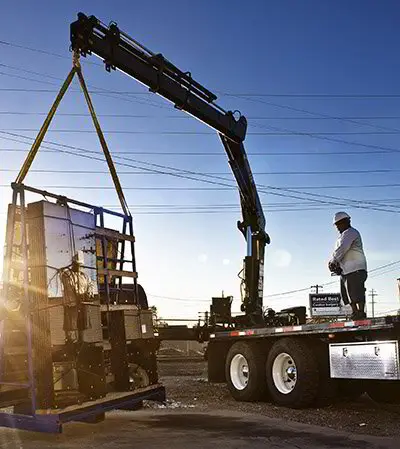
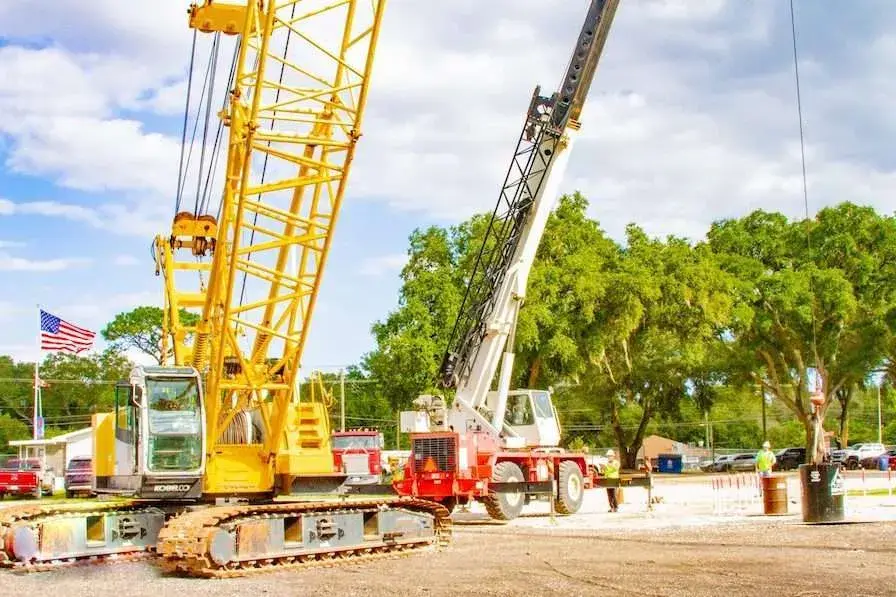
Much of this work uses boom trucks, knuckle-boom cranes and mid-size hydraulic truck cranes, which is why Olympia NCCCO crane certification often starts with articulating and mobile crane exams.
Public Agencies and Utility Crews
Public agencies are a natural fit for this kind of training. Organizations we have trained for include municipalities and counties, as well as federal agencies such as the US Army Corps of Engineers. For a public works department in Thurston County, on-site training lets several operators prepare on the trucks they actually use, without sending staff across the country.
Common choices for agency crews include articulating crane certification prep for the ABC, ABL and ABW exams, rigger and signalperson qualification for crews setting vaults, pipe and pump stations, and the Managing Crane Safety class for supervisors who sign off on lift plans.
Working Through the Wet Season
Western Washington's rainy months soften ground fast. A shoulder that held a boom truck in August may not hold it in January, so outrigger pads, mats and a careful look at soil conditions matter on almost every setup. Wet loads and slick hooks add their own hazards.
We usually plan outdoor practical exams for drier months, while classroom review on load charts, OSHA Subpart CC and power line clearance can be scheduled any time. Our article on common mistakes in crane operation covers several of the setup errors we see most.
How an On-Site Session Usually Runs
Every on-site class is planned around the employer, but most follow a familiar pattern. Before we arrive, we confirm the number of candidates, the crane types, and whether your yard has room for an NCCCO practical test course. A flat, firm test area away from traffic and overhead lines is the single most important requirement.
Classroom days cover load charts, OSHA regulations, site setup, signals and the written exam content. Field time gives each candidate practice on the equipment before the practical exam, which our accredited examiners can conduct at your site. Written exams are coordinated as part of the plan. Because the class uses your trucks, operators practice with the controls, outrigger layout and attachments they will use the next week on a real job, which is a big advantage over training on unfamiliar machines.
Licensing, Logistics and Next Steps
Washington has state-level crane operator requirements in addition to OSHA — confirm current rules with the Department of Labor & Industries and NCCCO's state licensing information before you work there. See the Washington State overview for statewide details.
The Crane School has no Olympia office. For groups, our instructors and accredited practical examiners come to your facility. Individuals can attend open-enrollment classes in Seffner, Florida, flying from Sea-Tac to Tampa International. A negotiated hotel rate near the campus helps keep travel simple.