A Skyline Built by Cranes
Seattle has become known in recent years for the number of tower cranes on its skyline, and its construction mix keeps lift crews in demand: downtown and South Lake Union towers, transit and highway projects, hospital expansions, and waterfront work. Add the container and cargo terminals along Puget Sound and the region's aerospace manufacturing, and you have a market that needs operators, riggers and signalpersons in nearly every trade.
That breadth is why Seattle NCCCO crane training rarely looks the same from one company to the next. A port contractor, a steel erector and a plant maintenance team each need different certifications.
Which Programs Seattle Crews Use Most
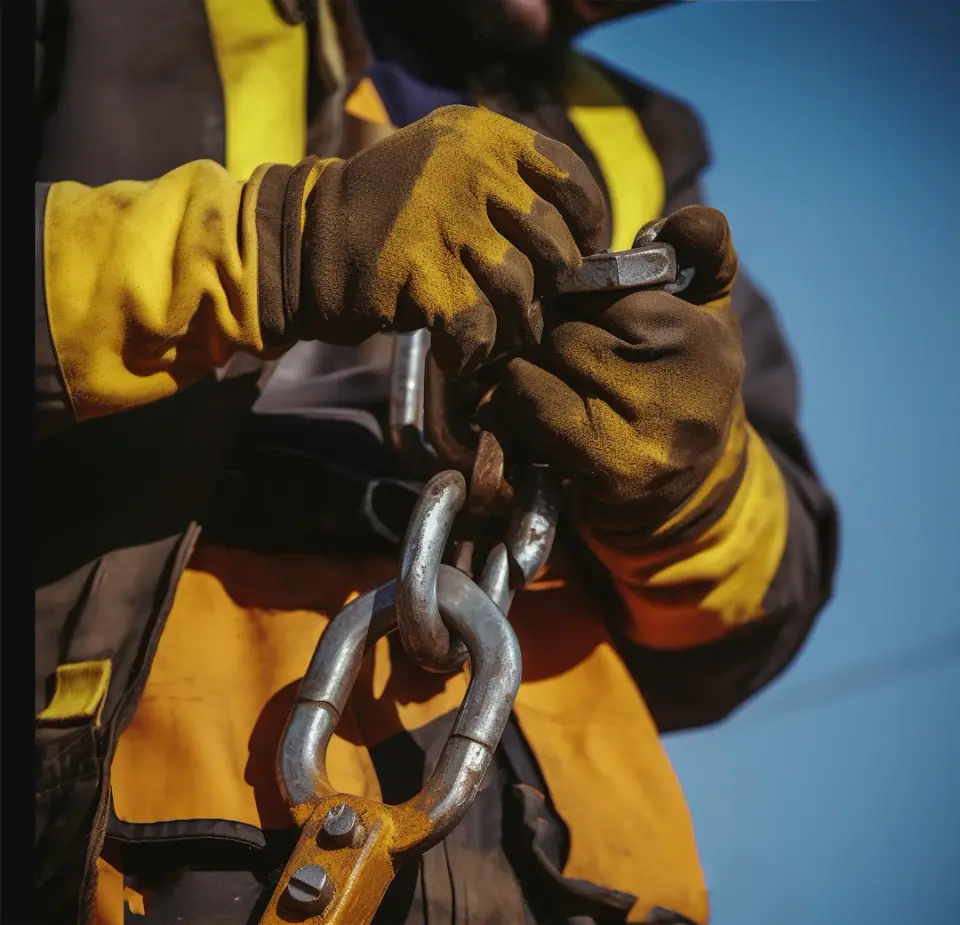
On high-rise sites, the people on the ground often need certification as badly as the operator. Signalpersons directing blind picks from a tower crane, and riggers preparing curtain wall panels or mechanical units, carry real responsibility. Our signalperson qualification and certification program prepares crews for the NCCCO Signalperson written and practical exams, and the rigger program covers Rigger Level I and II.
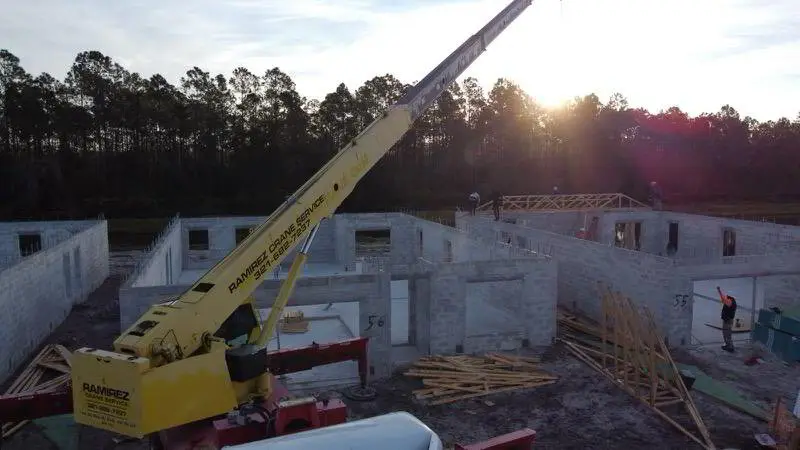
For operators of truck-mounted and rough-terrain hydraulic cranes, the mobile crane prep program covers the TSS and TLL exams, with LAT available for lattice boom machines. Supervisors can take the Managing Crane Safety class to strengthen lift planning and compliance. Our staff also includes NCCCO-certified inspectors for mobile, tower and overhead cranes.
Rain, Wind and Steep Streets
Seattle's long rainy season means slick decks, wet tag lines and reduced visibility, while wind off the Sound can pick up quickly on exposed sites and high floors. Steep streets complicate setups on many urban lots, especially where outriggers must sit on sloped pavement or over utility vaults.
These conditions come up throughout our exam prep. Instructors cover wind limits, how a wet sail area behaves under a load, and checking ground conditions before extending outriggers. For more on this topic, our post on crane safety in extreme weather is a useful read before class.
Recertifying Busy Puget Sound Operators
Experienced operators in Seattle often struggle to step away from a project long enough to renew a card. CCO certifications last five years, and starting recertification prep in the final year gives you room to reschedule if a pour, a delivery or the weather pushes your exam date.
There are two common routes. A company with several renewals coming due can host a short on-site session, where operators review load charts and regulations and then sit the practical exam on familiar equipment. An individual can instead attend the Friday-to-Monday mobile crane prep class in Florida, which places practical exams on Friday, classroom work over the weekend and written exams Monday morning. Either way, the goal is to come back to the job with a current card and a refreshed understanding of the rules, not just a passing score. Results appear in the MyCCO app, and cards typically follow within a few weeks.
Washington's Rules and How Training Is Delivered
Washington has state-level crane operator requirements in addition to OSHA — confirm current rules with the Washington State Department of Labor & Industries and NCCCO's state licensing information (opens in a new tab) before you work there. Our Washington state training overview explains how we serve employers across the state.
The Crane School is based in Seffner, Florida and has no Seattle office. For companies with a group of employees and suitable equipment, our instructors and accredited practical examiners travel to your Puget Sound facility. Individuals can fly from Sea-Tac to Tampa International and attend open-enrollment classes at our training center, where CCO written exams are offered monthly. Get in touch to compare options.