Energy Country Meets a College Town
Morgantown is home to West Virginia University, and campus construction, hospital work and housing growth keep commercial cranes active in town. Outside the city, north-central West Virginia has deep roots in coal mining, and natural gas development in the Marcellus Shale region has brought well pads, pipelines and compressor stations to the surrounding hills.
That combination creates demand for operators who can handle both tight urban sites and remote energy locations, which is where Morgantown NCCCO crane operator prep comes in. Coal operations and their surface facilities also use cranes for conveyor, preparation plant and equipment maintenance, where MSHA rules may apply alongside OSHA, so ask your employer which standards govern your site.
Equipment That Fits the Region
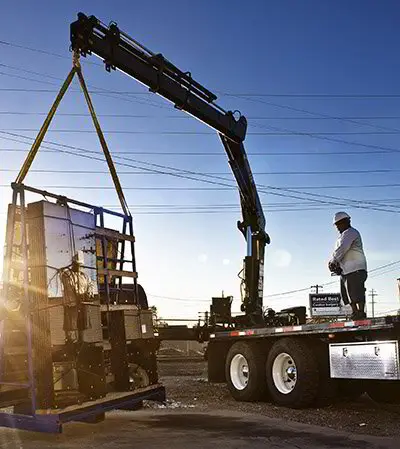
Energy work around Morgantown uses a lot of boom trucks, knuckle-boom cranes and telehandlers to move pipe, fittings and skid-mounted equipment. Our telehandler operator program prepares operators for the NCCCO THO exams, and the articulating crane prep program covers the ABC, ABL and ABW exams.
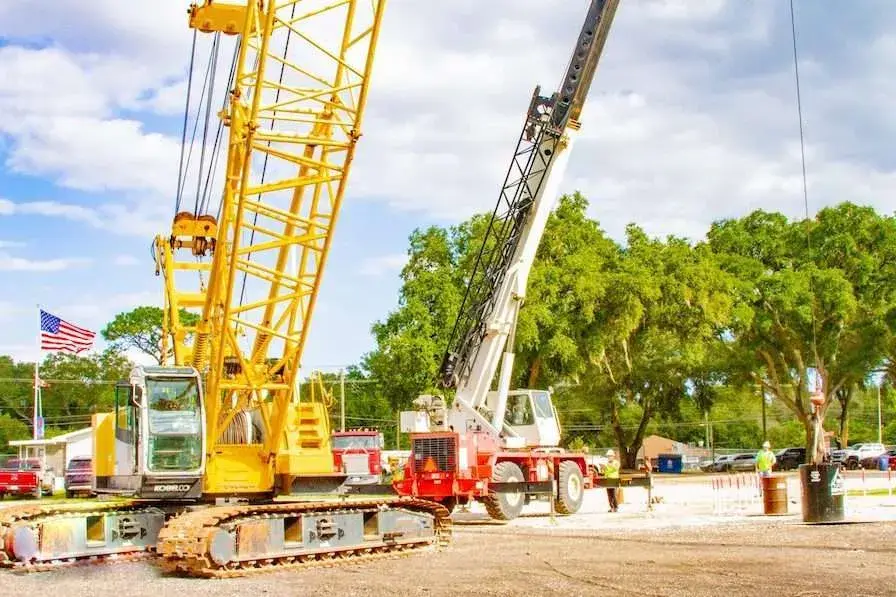
Commercial contractors working on campus or in the hospital district more often need telescopic hydraulic crane certification through the TSS and TLL exams. Recertifying operators can attend the monthly Friday-to-Monday prep class in Florida or train as part of an on-site group.
Supervisors and Safety Managers
Certification is the operator's responsibility, but the program around it belongs to management. Our Managing Crane Safety class is designed for supervisors and safety managers, covering OSHA and industry compliance, accident prevention, lift planning, inspections and limiting liability. On energy projects where several contractors share a site, a supervisor who understands crane responsibilities can prevent confusion about who controls each lift.
For a broader look at compliance, see our OSHA compliance guide for crane operators.
Hills, Snow and Mud
North-central West Virginia's terrain is steep, and well-site access roads turn to mud in spring. Winter snow and ice make crane transport risky on narrow county roads. Operators need sound setup judgment: level within tolerance, cribbing sized for soft ground, and a clear plan for overhead lines. We cover these topics in prep, and our instructors emphasize planning the lift before the crane rolls in.
Remote well pads and pipeline right-of-ways add another wrinkle: help can be far away. Operators on those sites need to be confident in their own pre-shift inspection, know how to read the load chart without second-guessing, and recognize when ground or weather means the lift should wait. That self-reliance is one reason many energy employers insist on certified operators even for smaller boom trucks.
Licensing and How to Train
Keep in mind that West Virginia has state-level crane operator requirements in addition to OSHA. Before you work there, confirm current rules with the state agency and check NCCCO's state licensing information. Our West Virginia crane certification overview explains statewide options.
We do not have a Morgantown office. Groups can host on-site classes and practical exams; individuals can train at our Seffner, Florida center. Before you call, make a short list of the crane types your people run, how many need initial certification versus renewal, and the months that work for your schedule. That makes it easier to match each person to the right class. Request information to get started.