Building Out Northwest Arkansas
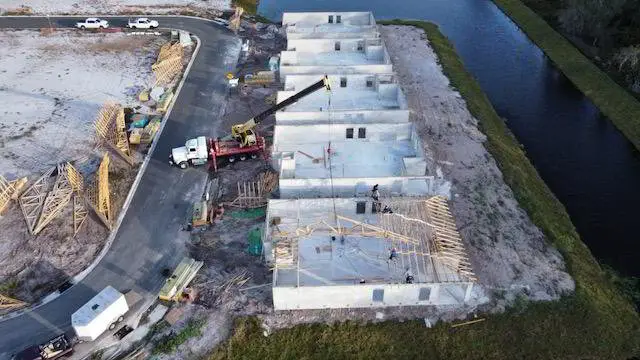
Fayetteville anchors one of the fastest-growing regions in the central United States. The University of Arkansas keeps adding campus buildings, while the corridor north through Springdale, Rogers and Bentonville is full of corporate offices, distribution centers, food processing plants, apartments and highway work. None of that gets built without boom trucks, telehandlers and cranes — or without certified hands at the controls.
For crane operator training in Fayetteville and nearby counties, you can go one of two ways: we come to your facility to teach and run NCCCO practicals, or your people travel to an open class at our Seffner, Florida center. We do not have an Arkansas office.
Hills, Storms and Tight Urban Sites
Fayetteville sits in the hills of the Ozark Plateau, so crews regularly find slopes, retaining walls and not much flat room to set up a crane. Spring brings severe thunderstorms, occasional tornado warnings and strong straight-line winds, while winter can deliver ice. Sites like that demand a hard look at the ground, a cautious reading of the load chart and an agreed point at which the lift is called off.
Campus and downtown projects add another layer: pedestrians, traffic and neighboring buildings. Operators who understand lift planning and communicate well with a certified signalperson handle those sites with fewer surprises.
On university work in particular, crews may be lifting over occupied buildings or next to walkways during class changes. Planning swing paths, barricading the fall zone and scheduling critical picks for quieter hours are habits that good instructors reinforce long before an operator sits for the exam.
Ice storms deserve special mention. A glaze of ice on a boom, hook block or load adds weight and makes footing dangerous for the ground crew. Clearing ice, checking that safety devices still work and delaying lifts until conditions improve are habits operators should carry from training onto every winter job.
Which Training Fits Your Crew
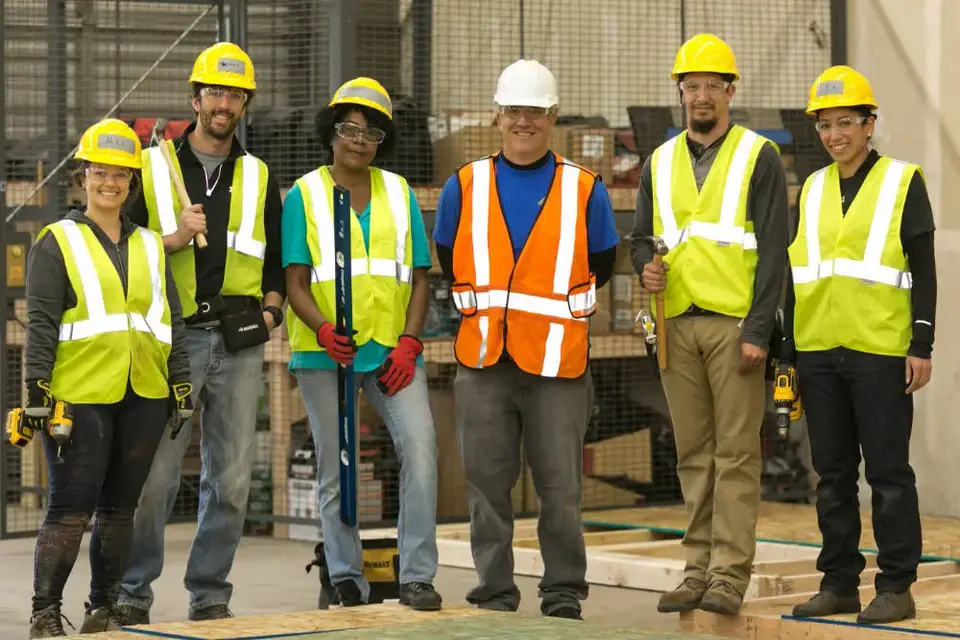
- New to cranes? Our entry-level mobile crane course takes beginners through 3 or 5 weeks of training, finishing with NCCCO written and practical testing.
- Experienced operators going after TSS, TLL or LAT for the first time, or renewing, fit the monthly Friday-to-Monday certification prep course.
- Telehandler operators working warehouses and commercial builds can test for NCCCO's THO card.
- Supervisors who sign off on lift plans have the Managing Crane Safety class.
Northwest Arkansas contractors hiring quickly often pair a few certified operators with trained riggers so every lift has qualified people on the ground.
Training Here vs. Traveling to Seffner
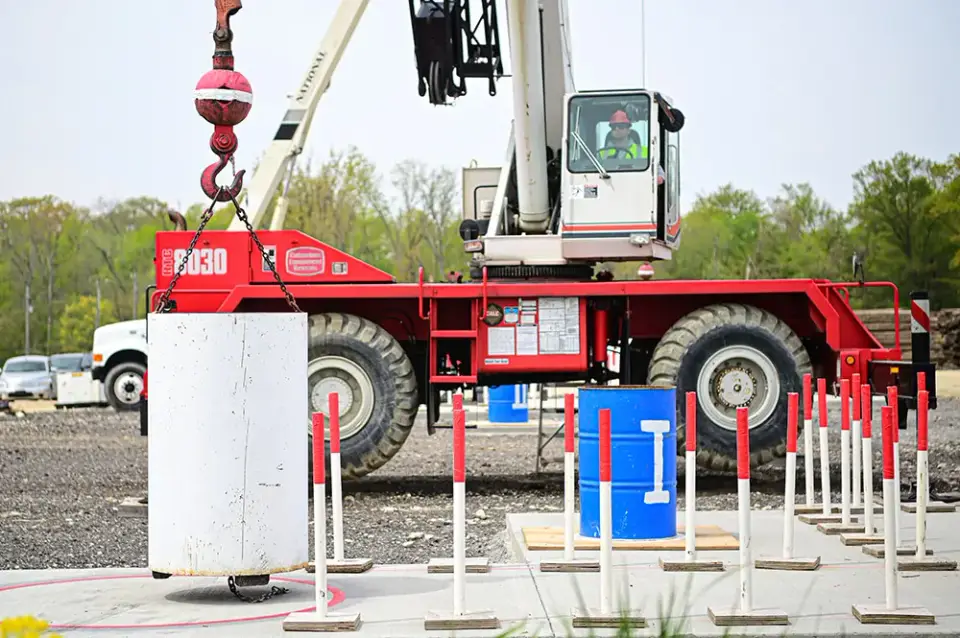
When a company has multiple operators to certify, bringing us to them usually saves time and travel. Instruction happens at your site, and if you can set aside a proper test area, our NCCCO accredited practical examiners will test on your own machines. Send us a note with how many people, which cranes and when you need them done.
Individual students usually fly Northwest Arkansas National to Tampa International, most often with a stop in between. From the airport, the school is roughly a twenty-minute drive east. Our headquarters holds a CCO written exam session monthly, and visiting students can use a discounted rate we arranged at a hotel nearby.
Wondering where a card can take you? Read about career paths after NCCCO certification.
Arkansas Certification Rules
No Arkansas state agency licenses crane operators. Construction falls under federal OSHA instead, and 29 CFR 1926.1427 is the section requiring certification matched to crane type. Because owners and employers can go further, read the bid package and the site safety plan for extra requirements. See our Arkansas statewide page for more.