Building the Future: The Essential Role of Crane Operators in Construction

More Than Moving Materials
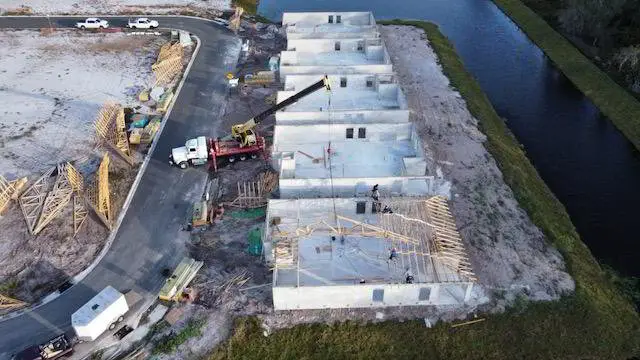
The role of crane operators in construction goes well beyond lifting things from point A to point B. An operator controls a machine that can tip, strike a power line or drop a load if one decision goes wrong. At the same time, the crane is usually the single piece of equipment that sets the pace for every trade on site.
When the operator is skilled, steel goes up on schedule, precast panels land without damage, and the crew below works with confidence. When the operator is not, the whole project slows down, or worse.
A Crane Operator's Work Through a Project
Site preparation and setup
Before the first pick, the operator helps confirm that the crane can be set up safely. That means checking ground conditions, outrigger or crawler support, overhead obstructions, and the distance to power lines. On mobile cranes, poor setup is one of the most common root causes of tip-overs.
Foundations and structure
During the structural phase, the operator places rebar cages, formwork, structural steel, precast concrete and mechanical equipment. Many of these lifts are repetitive, but each one still requires reading the load chart for the current radius and boom length.
Enclosure and mechanical work
As the building closes in, lifts get tighter. Operators often work blind, relying on a signalperson or radio to set rooftop units, curtain wall panels or glass. Precision and patience matter more than speed here.
Demobilization
Taking the crane down or moving it safely is part of the job too. Assembly and disassembly follow the manufacturer's procedures and OSHA requirements in 29 CFR 1926 Subpart CC.
Safety Starts in the Cab
Operators carry real authority over safety. Under OSHA's crane standard, an operator who has a concern about safety has the authority to stop and refuse to handle loads until a qualified person determines that safety has been assured. That responsibility shows up in daily habits:
- Pre-shift inspections of wire rope, hooks, brakes and safety devices
- Knowing the load weight and the rigging weight before every lift
- Respecting wind and weather limits set by the manufacturer
- Keeping the swing radius clear and barricaded
- Following one designated signalperson, while obeying a stop signal from anyone
If you want to see where operators most often go wrong, read our breakdown of common crane operation mistakes.
The Operator as Part of a Lifting Team
No operator works alone. Every lift depends on a small team, and the operator sits at the center of it:
- Riggers select and attach slings, shackles and spreader bars, and they tell the operator the rigging weight.
- Signalpersons guide the load when the operator cannot see it, using standard hand signals or radio commands.
- Lift directors and supervisors plan critical lifts and make sure everyone understands the sequence.
- Ground crew keep the swing area clear and handle taglines.
Good operators make this team better. They speak up during the pre-lift briefing, confirm signals before the load leaves the ground, and stop the moment something does not look right. Many experienced operators also hold rigger or signalperson credentials, which helps them understand what the crew below needs. If you are building toward a crane career, the rigger qualification program is a practical place to start learning that side of the work.
Efficiency: Why Good Operators Save Projects Time
A crane often costs a project more per hour than any other single resource on site, and many trades wait on it. A skilled operator keeps that resource productive by:
- Planning pick sequences with the superintendent so the crane does not reposition unnecessarily
- Smooth control inputs that reduce load swing and wasted time waiting for loads to settle
- Clear communication with riggers so loads are ready when the hook arrives
- Spotting problems, such as an unexpected obstruction, before they turn into delays
Precision also protects materials. A dropped or damaged precast panel or HVAC unit can delay a project by weeks while a replacement is built.
Keeping Up With New Technology
Modern cranes come with load moment indicators, anti-two-block systems, range limiters and, on many machines, cameras and telematics. These tools help, but they do not replace judgment. Operators have to understand what each system measures and what it cannot see, such as soft ground or a worn sling.
That is one reason continuing education matters throughout a career. Our post on continuous learning for crane operators covers how working operators keep their skills current.
How Operators Earn Their Seat
Under OSHA 1926.1427, construction crane operators must be certified or qualified for the type of crane they run. Most employers look for certification through NCCCO (National Commission for the Certification of Crane Operators), which includes written and practical exams. CCO certifications are valid for five years before recertification.
The usual path looks like this:
- Complete formal training with hands-on seat time.
- Pass NCCCO written exams covering safety and load charts.
- Pass the practical exam on the crane type you want to operate.
- Gain experience under supervision and keep building skills.
If you are starting with little or no experience, the Initial Mobile Crane Operator Training Program is designed for you. For a broader overview of the steps, see our certification requirements page.
Ready to Build Your Career?
Crane operators are a small part of the workforce on any job site, but the work depends on them. If you want to join them, look at the upcoming dates on our class schedule or contact The Crane School to talk through which program fits your experience.
FAQ
What does a crane operator do each day on a construction site?
A typical day includes a pre-shift inspection, reviewing the lift plan, confirming load weights and radius on the load chart, coordinating with riggers and signalpersons, and making lifts safely until the crane is secured at shift end.
Do construction crane operators need certification?
Yes. OSHA 1926.1427 requires construction crane operators to be certified or qualified for the type of crane they operate, and most employers ask for NCCCO certification.
Can a crane operator stop a lift?
Yes. Under OSHA rules, an operator who has a safety concern can refuse to handle a load until a qualified person confirms it is safe.
How long does it take to become a crane operator?
Formal training can take a few weeks, followed by certification exams. Building real proficiency takes ongoing experience on the job.