The Role of Continuous Learning in Crane Operation

Why Learning Does Not Stop at Certification
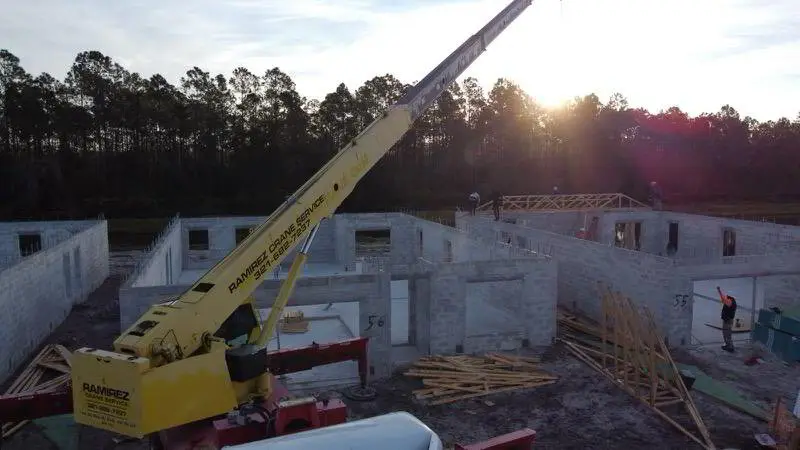
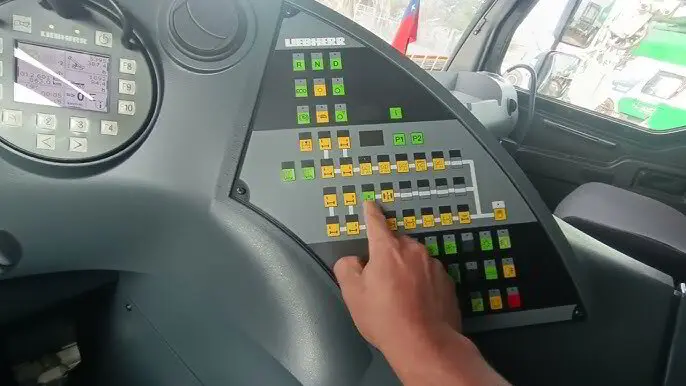
Earning your NCCCO certification is a real achievement. But the industry keeps moving after you pass. New crane models arrive with different controls and operator aids. OSHA issues interpretations. Your employer takes on work you have never done before.
Continuous learning for crane operators is how you keep up. It protects you and your crew, makes you more productive and opens doors to better assignments. This post is written for operators who want to take charge of their own growth. If you are an employer building a program for a crew, see our companion post on ongoing crane operator training.
What Keeps Changing in Crane Work
Technology
Load moment indicators, range limiters, cameras, telematics and remote controls are becoming more capable. Operators need to understand what each system measures and what it misses. Our post on crane safety devices is a good primer.
Regulations and standards
OSHA's crane standard has been updated over the years, including changes to operator certification requirements. ASME standards and manufacturer guidance are revised too.
Job types
Moving from commercial building to industrial plant work, or from mobile cranes to articulating cranes, brings new hazards and techniques.
Benefits You Will Notice
- Fewer close calls, because you recognize hazards earlier
- Smoother, faster lifts from better technique and planning
- More confidence on unfamiliar or complex jobs
- Better standing with employers, who notice operators that take initiative
- Easier recertification, because you have kept your knowledge current all along
Build Your Personal Development Plan
A plan does not need to be complicated. Answer these questions once a year:
- Where am I now? List your certifications, crane types, expiration dates and the kinds of lifts you are comfortable with.
- Where do I want to be in three to five years? For example: lattice boom work, lift director duties, training others or supervision.
- What skills and credentials will that take? Write down specific certifications, experience and knowledge.
- What will I do this year? Pick two or three concrete goals with target dates.
- Who can help? Identify a mentor, supervisor or training provider.
Keep the plan somewhere you will see it, and check progress every few months.
Credentials Worth Adding
Expanding your certifications broadens the work you can take on:
- Additional mobile crane types: If you hold TSS, consider TLL or LAT (lattice boom). The mobile crane certification prep program covers all three.
- Articulating crane certification: Useful for material delivery and utility work.
- Rigger Level I or II: Deepens your understanding of what happens below the hook.
- Signalperson: Improves communication and helps when you work the ground side of a lift.
- Telehandler: Adds versatility on many construction sites.
Many operators find that rigging and signaling credentials make them noticeably better in the cab, because they understand the crew's perspective.
Everyday Ways to Keep Learning
Not all learning happens in a classroom:
- Read the manual for every new crane you operate, including load chart notes.
- Work load chart problems for lifts you see on site, even when someone else is running the crane.
- Ask experienced operators how they would approach a tricky lift, and why.
- Review near-misses with your crew and think through what you would do differently.
- Follow OSHA updates and read the actual regulation text for topics that affect your work.
- Watch quality demo videos to compare techniques.
- Attend toolbox talks with real attention, and volunteer to lead one.
Learning From Mentors and Teaching Others
Some of the most valuable lessons in crane work are passed directly from one operator to another. Look for a mentor whose work you respect, and ask to watch how they plan and set up difficult lifts. Notice what they check that others skip.
As you gain experience, teach in return. Explaining a load chart to a new operator or walking an apprentice through an inspection forces you to understand the material more deeply. Many experienced operators say they learned the most once they started training others. That path can even lead to formal roles such as trainer, examiner or lift director.
The Role of Employers
Employers make continuous learning easier when they fund training, schedule time for it and recognize people who grow their skills. If your employer offers training, take it. If they do not, propose a plan that shows how a new credential will help on upcoming work. Supervisors may also benefit from the Managing Crane Safety Class, which helps leaders build that kind of culture.
Use Recertification as a Checkpoint
CCO certifications are valid for five years, and NCCCO recommends recertifying in the final year. Treat recertification as a chance to refresh weak areas, not just a box to check. Start reviewing load charts and regulations several months before your exam.
Common Barriers and How to Get Past Them
Most operators agree that learning matters. The hard part is making time for it. A few common obstacles and practical fixes:
- "I'm too busy during the season." Schedule formal training in slower months, and use short daily habits, such as one load chart problem at lunch, during busy periods.
- "Training costs too much." Ask about employer support, and focus on one credential at a time. Our post on affordable crane safety training has more ideas.
- "I already know this." Experienced operators often find that a refresher catches a habit that has drifted. A fresh set of eyes is valuable.
- "I don't know where to start." Start with the credential closest to the work you want next, and build from there.
Take Your Next Step
Pick one goal for this year and act on it. Check the class schedule for upcoming programs, or contact The Crane School to talk through which certification makes sense next.
FAQ
What certification should a crane operator add after TSS?
Common next steps include TLL or LAT for mobile cranes, plus rigger or signalperson credentials, depending on the work you want to do.
How do crane operators stay current on regulations?
Read OSHA updates and the actual standard text, attend refresher training, follow employer policy updates and use recertification as a regular review point.
Is continuous learning required for crane operators?
Recertification is required every five years for CCO certifications, and employers must train operators on their equipment. Beyond that, ongoing learning is a professional choice that pays off in safety and career growth.