Discover the Latest Technology in Crane Safety: Devices in the Cab
Technology That Rides Along in the Cab
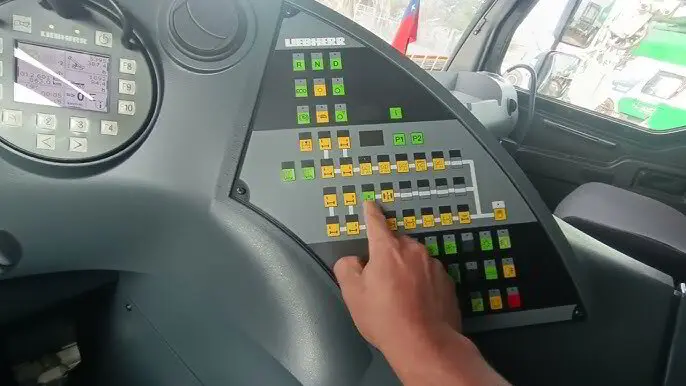
When people talk about the latest technology in crane safety, they often picture drones or artificial intelligence. On most job sites, though, the technology that prevents the most trouble is already built into the crane. Crane safety devices and operator aids watch the machine's geometry and load in real time and warn the operator, or limit motion, when a limit is near.
This post focuses on those on-board systems. For site-wide monitoring tools such as telematics and anti-collision systems, see our companion post on crane monitoring technology. For maintenance and inspection technology, read exploring crane predictive maintenance.
What OSHA Expects
OSHA's construction crane standard separates on-board systems into two groups:
- Safety devices (29 CFR 1926.1415), such as a crane level indicator, boom stops and jib stops where applicable, foot pedal brake locks and holding devices on hydraulic outrigger jacks. These must be working before the crane operates.
- Operational aids (29 CFR 1926.1416), such as boom hoist limiting devices, anti-two-block devices, boom angle or radius indicators, boom length indicators and load weighing or load moment systems, depending on the equipment.
The standard also explains what to do, and for how long, if an operational aid stops working, including temporary alternative measures. Operators should know these rules as well as they know the controls.
Load Moment Indicators and Rated Capacity Limiters
A load moment indicator (LMI), also called a rated capacity indicator or limiter, is the system most operators rely on every lift.
How it works
Sensors measure things like boom length, boom angle and hoist cylinder pressure or line load. The system compares those readings with the manufacturer's load chart for the configuration the operator has entered, then displays capacity, actual load and percentage used.
What it does
As the load approaches rated capacity, the system gives a warning. On many cranes it will lock out motions that would increase the load moment, such as booming down or extending.
What it cannot do
An LMI does not know if the ground is soft, if a sling is damaged, if wind is pushing the load or if a worker has walked under it. It also depends on correct setup: if the operator enters the wrong outrigger position or counterweight, every number it shows is wrong.
Anti-Two-Block Devices
Two-blocking happens when the hook block or overhaul ball is pulled into the boom tip. Continued hoisting can part the wire rope and drop the load.
An anti-two-block device usually uses a weighted switch hanging below the boom tip. When the hook block lifts the weight, the switch signals the system to warn the operator and, on most modern cranes, stop hoist-up, boom-down and telescope-out functions. Operators should test it during the pre-shift inspection.
Range Limiters and Work Area Definition
Many cranes let the operator set virtual limits on swing, boom angle, radius or tip height. When the crane approaches a programmed limit, the system warns and may slow or stop the motion.
These tools are especially useful near:
- Overhead power lines, as part of a broader OSHA 1926.1408 plan
- Adjacent buildings and occupied areas
- Other cranes working nearby
Range limiting supports good planning but does not replace it. Limits must be set correctly, verified and paired with spotters or other measures where the rules require them.
Wind Speed Indicators
Wind affects both the crane and the load. Many cranes, and nearly all tower cranes, can be fitted with an anemometer mounted at or near the boom tip, with a display in the cab. Some systems store wind data or trigger alarms at preset speeds.
Ground-level wind readings often understate conditions at height, so a boom-mounted sensor gives the operator better information. Combine it with the manufacturer's wind limits for the exact configuration. Our extreme weather tips explain how to build those limits into the lift plan.
Cameras and Visibility Aids
Blind spots are a constant problem on cranes. Camera systems now commonly cover:
- Winch or hoist drums, so the operator can watch for proper spooling
- Rear and sides of the carrier during travel and swing
- The hook and load, on some cranes, using cameras mounted on the boom or block
Cameras improve awareness but do not remove the need for a qualified signalperson when the operator's view is obstructed.
Outrigger Monitoring and Level Indicators
Many newer mobile cranes detect outrigger beam extension and feed it to the LMI automatically, reducing setup errors. Some also monitor outrigger load. Combined with a crane level indicator, these systems help confirm the crane is set up the way the load chart assumes.
Daily Habits for Using Operator Aids Well
Devices only help when they are set up and checked properly. Build these habits into every shift:
- Test the anti-two-block and confirm the warning and lockout work before the first lift.
- Enter the actual configuration in the LMI: outrigger position, counterweight, boom and jib setup, and parts of line.
- Compare the LMI's displayed load with the known load and rigging weight on the first pick. A large mismatch means something is wrong.
- Set range limits for the day's work area and verify them by slowly approaching each limit.
- Never bypass or override a system to finish a lift. If a device is not working, follow OSHA 1926.1416 and your company procedure.
Technology Supports the Operator, It Does Not Replace One
Every system above shares the same limit: it measures a few things very well and is blind to everything else. Operators still need to understand load charts, rigging, ground conditions, signals and weather. Our crane safety myths post explains why "the LMI is in the green" is not the same as "the lift is safe."
The Crane School's mobile crane certification prep program covers load charts and safe operation for NCCCO exams. Contact us to find a class that fits your experience.
FAQ
Are load moment indicators required on cranes?
OSHA 1926.1416 lists load weighing and similar devices among required operational aids for many cranes, with specifics depending on the equipment and its date of manufacture. Check the standard and the manufacturer for your machine.
What happens if an anti-two-block device stops working?
OSHA 1926.1416 sets time limits for repair and requires temporary alternative measures, such as clearly marking the hoist line, until the device is fixed. Follow the standard and your employer policy.
Can a range limiter replace a spotter near power lines?
Not by itself. Range limiting is one of several measures in OSHA 1926.1408, and the required combination depends on the situation. Plan power line work carefully.