Crane Technology Trends and What They Mean for Operator Certification
More Electronics, Same Responsibility
Walk up to a new mobile crane and you will find screens in the cab, sensors on the boom, cameras on the upper works and often a data connection back to the owner's office. These tools make lifts safer and easier to manage. They also raise a fair question for anyone getting certified: does the technology change what an operator needs to know?
The short answer is that crane technology and certification are linked, but not in the way people sometimes expect. Technology adds new things to understand. It does not remove the fundamentals, and certification exams still expect you to master them.
Operational Aids and Safety Devices
Some technology is required by rule. OSHA 1926 Subpart CC lists safety devices (section 1926.1415) and operational aids (section 1926.1416) that equipment must have, depending on the crane.
Load moment indicators and rated capacity limiters
These systems monitor boom length, angle, radius and load, and warn or limit motion as the crane nears its rated capacity. They are a valuable second check.
Anti-two-block devices
These prevent the hook block from being pulled into the boom tip, a failure that can drop a load or damage the crane.
Boom angle and length indicators
They give the operator a direct read of configuration, which feeds load chart calculations.
What certification expects
Operators must understand what these devices do, how to check that they are working, and what to do when one is not. OSHA allows temporary alternative measures when an aid is out of service, and those measures depend on the operator being able to work out capacity independently. That is exactly why the written exam still leans so heavily on load charts.
Cameras, Sensors and Better Visibility
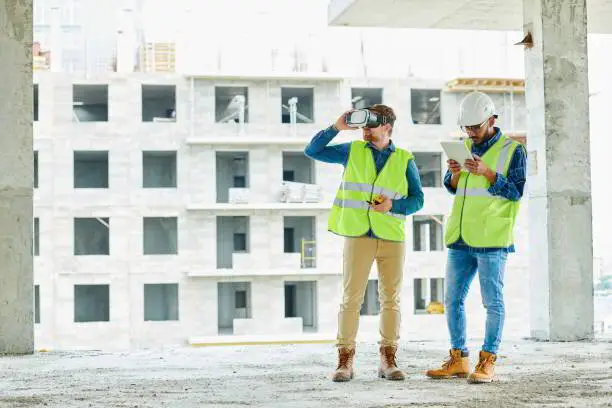
Many cranes now use cameras for winch drums, rear views and blind spots, and some job sites add anti-collision or zone-limiting systems where multiple cranes share airspace.
These tools reduce blind spots, but they also bring new habits to learn. Operators need to set up and check cameras, understand the limits of what a screen shows, and keep using signal persons where the rules require them. A camera never replaces a qualified signal person when the operator cannot see the load or the landing area.
Telematics and Data
Many owners now collect data from their cranes: hours, location, overload events, fault codes and maintenance reminders. For operators, that means two things.
- Your operating is more visible. Overload warnings and hard stops can be logged. Smooth, disciplined operating shows up in the data.
- Inspections get easier to track. Maintenance reminders help, but they do not replace the shift, monthly and annual inspections OSHA requires under 1926.1412.
Owners who want independent inspections alongside their data can look at our crane inspection services.
Remote Controls and Automation
Remote controls are common on articulating (knuckle boom) cranes, and they are appearing on other equipment as well. Operating from a remote changes your viewpoint and your relationship to the load, and it puts the operator closer to the work area. NCCCO's articulating crane certification reflects these differences. Our articulating crane certification prep program covers the ABC, ABL and ABW designations.
Automated functions, such as programmed motion limits or assisted setup, are growing. They still require a certified operator who understands what the system is doing and can take over when something unexpected happens.
Simulators in Training
Simulators are a useful way to practice control patterns, emergencies and rare scenarios without risk. They help with familiarization and confidence.
They do not replace seat time on a real crane. The NCCCO practical exam is taken on actual equipment, and the feel of a real boom, real swing and real wind cannot be fully reproduced on a screen. Training programs that lean on simulators should still give you substantial hours on cranes. Our article on advanced technologies in crane operation training looks at that balance in more detail.
What Has Not Changed
Despite all the new tools, the core of certification is the same:
- Load charts and capacity math. You must be able to calculate capacity yourself.
- Setup and ground conditions. No sensor fixes a crane on bad ground.
- Signals and communication. Lifts are team efforts.
- Power line safety. Clearance rules under OSHA 1926.1408 still apply.
- Judgment. Knowing when to stop work is still the operator's call.
In short, technology makes good operators better. It does not make an unprepared operator safe.
Experienced instructors often see the same pattern with newer operators: they trust the screen first and the chart second. On exam day, and on the day a sensor fails, that order needs to be reversed. Treat every display as a check on your own numbers, not a source of them.
Staying Current
When you move to a new crane model, read the manual, learn the specific displays and limits, and ask for time to get familiar before production work. Practice with the displays on an easy lift before you depend on them for a tight one. That kind of familiarization is part of the employer evaluation OSHA requires. At recertification, review any changes in exam outlines, which NCCCO updates periodically to reflect current practice.
If you are preparing to certify or recertify on modern mobile cranes, our mobile crane certification prep program covers the fundamentals that every new tool still depends on. Reach out if you have questions about which program fits your equipment.
FAQ
Can I rely on the load moment indicator instead of reading load charts?
No. Load moment indicators are an aid, not a replacement. Operators must be able to determine capacity from the chart, and must do so when an aid is out of service.
Are cameras a substitute for a signal person?
No. Cameras can improve visibility, but OSHA still requires a qualified signal person in situations such as when the operator cannot see the load or landing area.
Will NCCCO add questions about new crane technology?
NCCCO periodically updates its exam outlines. Check the current outline for your designation before you study, especially at recertification.
Is the NCCCO practical exam taken on a simulator?
No. The practical exam is taken on real equipment of the type you are certifying for.