The Future of Crane Operation: Innovations Transforming the Industry
Change Is Coming, but Not All at Once
Headlines about robot cranes make it sound like operators are about to be replaced. The reality on most job sites is slower and more practical. The future of crane operation is being shaped by a set of technologies that are already in use somewhere today, spreading at different speeds depending on crane type, project size and regulation.
Below is a look at the most important trends, what they mean on the ground, and how operators can prepare.
Remote and Assisted Operation
Some cranes can already be operated from a remote control station, either on site or farther away. Tower crane remote cabs and radio remote controls for smaller cranes and articulating booms are examples.
Potential benefits
- Better visibility using multiple camera views
- Less climbing for tower crane operators
- Operating from a safer position during hazardous lifts
Practical hurdles
- Reliable, secure communication links
- Maintaining the operator's feel for the machine and load
- Clear rules for who is responsible for the lift
Remote operation still needs a trained, certified operator making decisions. The seat moves; the responsibility does not.
Automation and Smart Assistance
Full automation of general construction lifting faces real obstacles: every load, rigging setup and site is different. What is spreading faster is assisted operation, such as:
- Load sway reduction features that smooth out swing and hoist motions
- Programmed work area limits that prevent contact with structures or power lines
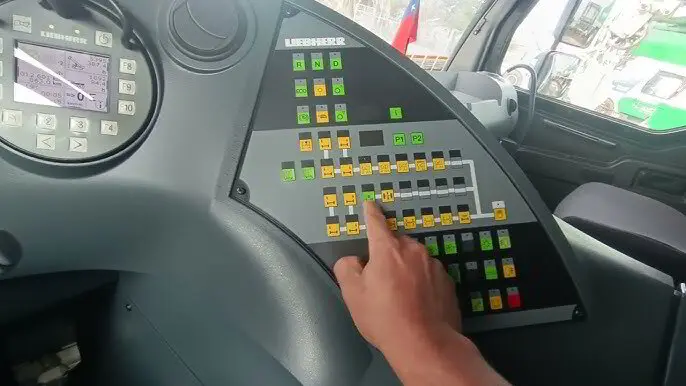
- Automatic configuration detection that feeds the load moment indicator
- Repetitive-motion assistance in settings like ports and plants, where loads and paths are predictable
These features reduce the chance of certain errors. They also mean operators must understand how the automation behaves and when to override or stop it.
Telematics and Connected Fleets
Telematics systems report location, hours, faults and load events from each crane to a central dashboard. Owners use the data for maintenance planning, utilization and safety coaching. For a closer look at site-level monitoring, see our post on crane monitoring technology.
As more machines connect, cybersecurity and data ownership become part of the conversation too.
Digital Lift Planning
Lift planning software lets planners model the crane, the load and the site in 2D or 3D. Planners can check radius, boom clearance and capacity before the crane is mobilized. Some tools build on site models used by the design and construction team.
This shift makes planning more visual and easier to share with the crew. It also raises the bar for operators and lift directors, who need to read and question these plans rather than just follow them.
Electric, Hybrid and Lower-Emission Cranes
Sustainability is changing equipment choices. Manufacturers now offer electric and hybrid models in several crane categories, from smaller mobile and crawler cranes to tower cranes that run on grid power. Potential advantages include:
- Lower fuel use and on-site emissions
- Reduced noise, which matters on urban and night work
- Fewer engine maintenance items
Operators may need to learn new charging routines, power management and different machine behavior. Battery and high-voltage systems also bring their own safety procedures.
Advanced Safety Systems Keep Improving
Operator aids continue to evolve: more accurate load sensing, outrigger monitoring, camera coverage and anti-collision systems for multi-crane sites. Our post on crane safety devices explains how today's core systems work and what they cannot detect.
Sustainable Practices Beyond the Machine
Lower-emission cranes are only part of the picture. Contractors are also looking at how crane work is planned and run:
- Right-sizing equipment so a project does not mobilize a larger crane than it needs
- Reducing idle time through better pick sequencing and delivery coordination
- Planning fewer crane moves with careful site layout
- Extending component life through good maintenance, which also reduces waste
Operators influence many of these outcomes directly. Smooth, efficient operation saves fuel or energy, and an operator who flags maintenance problems early helps keep the machine in service longer.
Regulation Will Follow the Technology
Rules tend to change after new technology becomes common. OSHA's crane standard already addresses operator aids and safety devices, and manufacturers' instructions govern how newer features must be used. As remote operation, automation and new power systems spread, expect more guidance from regulators and standards bodies. Operators and supervisors should watch for updates and treat recertification as a chance to catch up on them.
The Skills Operators Will Need
The core of the job is not going away. Operators will still need to understand load charts, rigging, signals, ground conditions and weather. What is growing is the need to:
- Interpret data from screens and sensors and recognize when it does not match reality
- Set up and verify automated limits and assistance features
- Communicate with planners, signalpersons and remote teams using digital tools
- Adapt to new machine types such as electric or hybrid cranes
- Keep learning through refresher training and recertification every five years
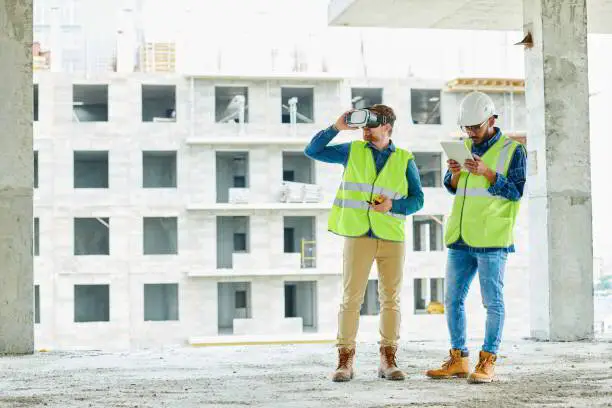
Training is adapting as well. Our post on crane simulator training covers how simulators and VR fit alongside hands-on practice.
What Employers Can Do Now
- Review which technologies are already on your fleet and whether operators are trained to use them.
- Include technology settings, such as range limits and LMI configuration, in lift planning and inspections.
- Pilot new tools on one project before rolling them out.
- Invest in supervisor training so leaders understand both the tools and the regulations. The Managing Crane Safety Class is a good starting point.
Prepare for What Comes Next
The cranes will keep changing, but a well-trained operator remains the center of a safe lift. Whether you are starting out or recertifying, contact The Crane School to find training that builds a foundation you can carry into whatever the industry looks like next.
FAQ
Will crane operators be replaced by automation?
Not in the near term for most construction work. Automation is mainly assisting operators with tasks like sway control and work area limits, while trained operators remain responsible for lifts.
Are electric cranes used on construction sites?
Yes. Electric and hybrid models are available in several crane categories, and tower cranes have long run on electric power. Adoption depends on the job, power access and owner choices.
What new skills will crane operators need?
Operators increasingly need to interpret sensor data, set up automated limits, use digital lift plans and adapt to new machine types, on top of core skills like load chart reading and rigging knowledge.