Florida's Construction Outlook: A 2025 Review and Your 2026 Career Blueprint as a Crane Operator

Why Year-End Is the Right Time to Plan
The end of the year is a natural checkpoint. Contractors review their bids and crews; operators can do the same with their careers. A short, honest Florida crane operator career plan made now can shape which certifications you add, which jobs you pursue and how you grow next year.
This article looks at four broad forces we see shaping crane work across the state, then turns them into practical steps. We avoid forecasts and statistics here. Conditions change, and you should check current data before making major decisions.
Four Forces Shaping Florida Crane Work
1. Steady building driven by population growth
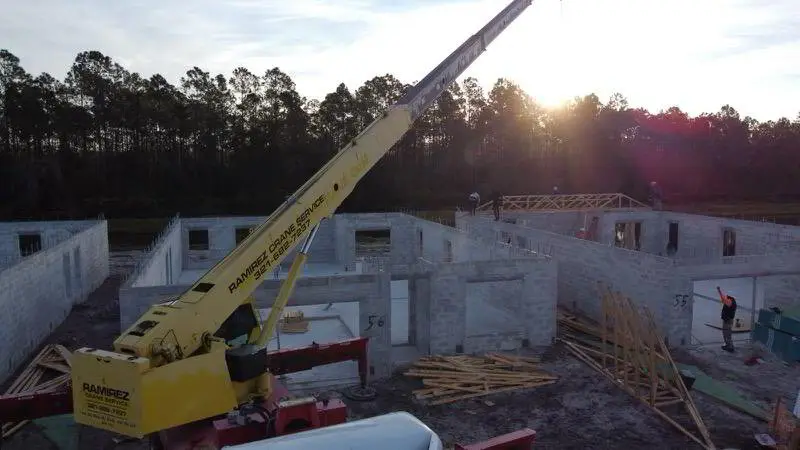
Florida's growth keeps homebuilders, multifamily developers and commercial builders busy. That work leans heavily on mobile cranes for setting trusses, lifting block and materials, and placing rooftop equipment. Warehouses and distribution centers along the major interstate corridors add tilt-up panel work for both mobile and crawler cranes.
2. Infrastructure and port work
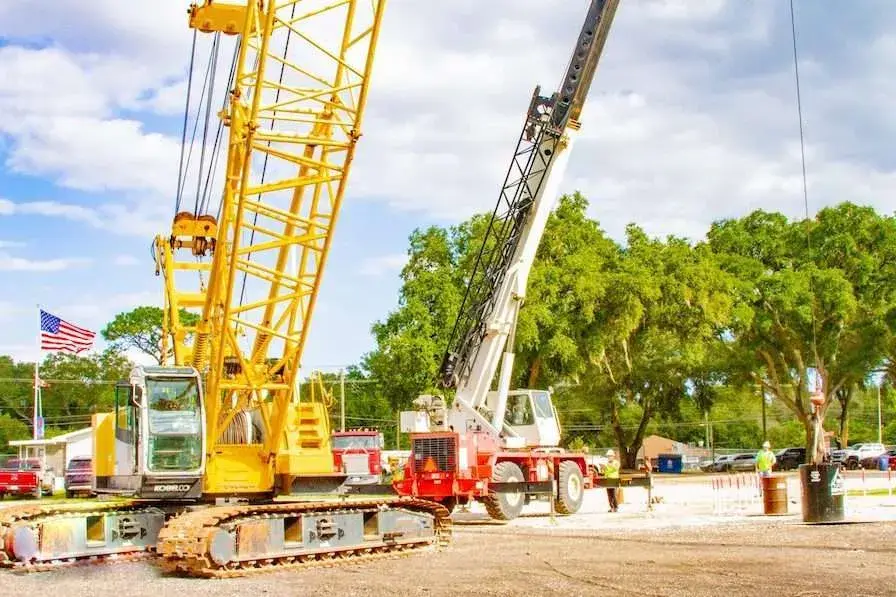
Bridges, highways and port facilities involve heavier lifts, larger all-terrain and crawler cranes, and more complex planning. These jobs reward operators with experience on bigger machines and a habit of careful lift planning.
3. Higher expectations for credentials and documentation
OSHA's construction rules require operators to be certified by crane type, and many contractors and insurers look closely at credentials. Documentation matters more, too: daily inspection logs, monthly inspection reports and written lift plans. Operators who keep clean, complete records stand out.
4. Smarter machines
Modern cranes carry load moment indicators, rated capacity limiters, telematics and digital displays. Operators who understand these systems, and who still know how to read a load chart without relying on the screen, are more valuable on site.
Your 2026 Blueprint: Five Practical Moves
Move 1: Broaden your crane-type certifications
Certification is by crane type, so each designation you add opens more work. If you hold one telescopic designation, consider the other. If infrastructure work interests you, lattice boom (LAT) certification is the logical next step. The mobile crane operator certification prep program covers TSS, TLL and LAT exams for operators who already have seat time.
Move 2: Learn the ground side of the lift
Operators who also hold rigging and signaling credentials understand the whole lift and can fill gaps on a short-handed crew. Consider rigger qualification and certification and signalperson qualification. Both make you a better operator because you see problems from the ground crew's point of view.
Move 3: Build toward leadership
If you want to move toward lift director, superintendent or safety roles, learn the management side: planning, compliance, inspection programs and liability. The Managing Crane Safety class is designed for that audience.
Move 4: Get fluent with your machine's technology
Read the operator's manual for the systems on your crane, not just the controls. Know what each warning means, how the limiter is configured and what to do when a sensor fails. Ask experienced operators how they verify the screen against the chart.
A useful exercise is to work a few lifts on paper before you make them: find the radius, look up the chart capacity, add up the gross load and compare. When your numbers and the limiter agree, you build confidence. When they do not, you have caught something worth asking about before the load leaves the ground.
Move 5: Put recertification on the calendar
CCO certifications are valid for five years. Check your expiration dates now and plan to recertify during the final year, so you are never working with a lapsed card. Use the refresher as a chance to tighten up on load charts and any rule changes.
For Newcomers: Starting the Right Way
If you are not in the trade yet, the same forces apply to you. Employers want people who are certified, safety-minded and willing to keep learning. A solid start looks like this:
- Train on telescopic boom cranes in a program built for beginners, such as the 3-week or 5-week initial mobile crane operator training.
- Pass the NCCCO written and practical exams for the crane types you trained on.
- Take an entry role where you can build seat time under experienced operators.
- Add certifications as your experience grows.
For pay information by area, use the U.S. Bureau of Labor Statistics Occupational Employment and Wage Statistics for crane and tower operators (53-7021).
For Employers: Planning Your Crew
Contractors can use the same lens. Look at which certifications your current operators hold, when they expire and which crane types your upcoming bids require. Identify laborers and apprentices who could train as riggers, signalpersons or operators.
It also pays to review your inspection program. Confirm who performs monthly inspections, when each crane's annual inspection is due and where records are kept. Gaps found during planning are far cheaper than gaps found after an incident or during an OSHA visit.
On-site training at your facility is often more efficient than sending people away one at a time. Our Florida NCCCO training page explains how on-site and open-enrollment options work.
Make Your Plan Concrete
A plan only works when it has dates on it. Write down three things: one certification to add, one skill to build and one recertification deadline to track, then put dates next to each. Share the plan with your supervisor; many employers will support training that fills a gap on their crew. For habits that help operators get called back, read the 7 habits of highly sought-after crane operators in Florida.
When you are ready to schedule training, view upcoming dates on the class schedule.
FAQ
Which certification should I add after TSS or TLL?
Many operators add the other telescopic designation first, then LAT if they want to work on lattice boom crawler or truck cranes. Choose based on the machines your target employers run.
Is rigger or signalperson certification useful for an operator?
Yes. It deepens your understanding of the whole lift and makes you more flexible on crews where those roles need coverage.
When should I start recertification?
Plan to recertify during the last year before your CCO certification expires, so you have time to retake an exam if needed.