The 7 Habits of Highly Sought-After Crane Operators in Florida

Certification Is the Starting Line
Earning an NCCCO certification proves you have the knowledge and skill to run a crane safely. It does not, on its own, make you the operator every superintendent wants. The ones who get called back, trusted with the hard lifts and requested by name share a set of crane operator habits that go beyond the controls.
Here are seven we see again and again in strong operators on Florida job sites.
Habit 1: They Look Ahead, Not Just Around
A good operator responds to instructions. A sought-after operator anticipates them.
- The morning walk. Before climbing in, they walk the work area: new deliveries, fresh excavations, wind direction, clouds building to the west.
- Knowing the day's flow. They ask when concrete trucks arrive, which trades are working where and when, and plan lifts around them.
- Thinking two picks ahead. While finishing one lift, they are already positioning for the next.
Supervisors value operators they do not have to micromanage. That foresight prevents both delays and incidents. It also builds trust: when an operator raises a concern early, the supervisor learns that the warning is worth hearing.
Habit 2: They Know Their Machine's Manual
The operator's manual and load charts are the final word on what the crane can do. Strong operators study them rather than just keeping them in the cab.
They understand every symbol on the load moment indicator, know capacities across boom lengths and radii, and know the deductions for different configurations. They also notice when the machine sounds or feels different and can describe the issue clearly to a mechanic.
Most importantly, when someone asks for a lift the manual does not support, they can open the book and show why the answer is no. That is professionalism, not insubordination.
Habit 3: They Understand Rigging
The rigger owns the rigging, but the operator is the last set of eyes before the load leaves the ground.
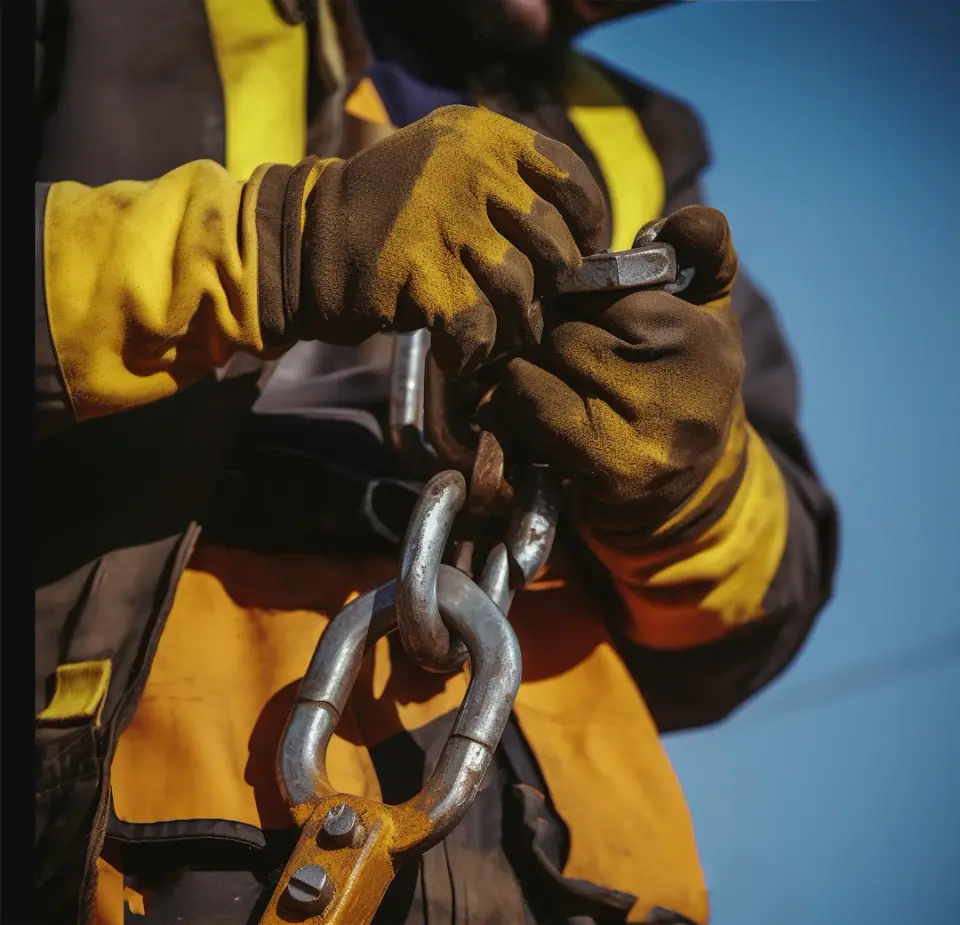
- Sling angles. As the angle between the sling and the load flattens, tension rises sharply. At 30 degrees, each leg carries about twice its share of the load. Strong operators notice low angles and ask for an adjustment.
- Gear condition. They spot unprotected synthetic slings on sharp edges or mismatched hardware.
- Right sling, right job. They know why one sling type suits a delicate load and another suits heat or abrasion.
Many operators take rigger qualification and certification for exactly this reason.
Habit 4: They Communicate Clearly and Confirm Everything
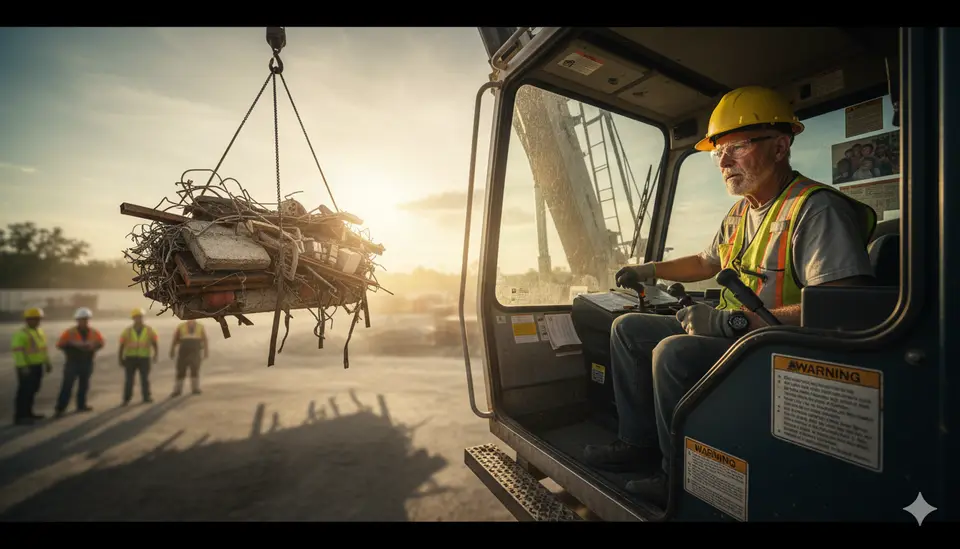
Lifts go wrong when people assume. Sought-after operators lead short, focused pre-lift huddles, confirm the signal method and radio channel, and repeat back instructions when there is any doubt.
They know the standard hand signals well enough to recognize when one is given incorrectly, and they stop when a signal is unclear. Their radio language is short and consistent. Ground crews like working with them because nobody has to guess what the operator will do next. On blind lifts, where the operator depends completely on the signalperson, that discipline is what keeps the load under control.
Habit 5: They Keep Records Like They Expect to Be Audited
Daily inspection logs, notes on defects and maintenance requests tell the story of how a crane is cared for. Strong operators fill them out completely every shift, in plain language.
After an incident or during an OSHA visit, those records protect the operator, the employer and the crew. Contractors notice operators whose paperwork is never a problem.
Good records also help the operator. A defect noted on Tuesday and repaired on Wednesday is a sign of a well-run crane. A defect nobody wrote down becomes a question about who knew what, and when.
Habit 6: They Manage Heat, Fatigue and Focus
Florida heat and long days take a toll. Operators who last in this trade treat their own condition as part of the safety system: they hydrate, sleep, eat properly and speak up when fatigue sets in.
They also guard against complacency. A routine lift on the hundredth repetition still gets full attention. Our article on conquering complacency goes deeper.
Habit 7: They Never Stop Learning
The best operators treat certification as a floor. They add crane types, learn new technology on the machines they run, and recertify on time rather than at the last minute. Some move toward lift director or supervisor roles, where courses like Managing Crane Safety help.
They also share what they know with newer operators and ground crew, which makes the whole site safer and builds a reputation that follows them from job to job.
Putting the Habits Into Practice
Habits form through repetition, so start small. Over the next few weeks, try this:
- Add a ten-minute site walk before every shift and note one change you spotted.
- Pick one section of your crane's manual each week and read it fully.
- Before each lift, look at the rigging and ask yourself whether you would have chosen the same setup.
- End every shift by finishing your log before you leave the cab.
- Ask an experienced operator one question a week about how they handle a tricky situation.
None of this takes much time. Done consistently, it changes how supervisors and crews see you.
Build Your Habits on Solid Training
Habits grow from a strong foundation. If you are ready to add a designation or recertify, review the Florida crane operator certification prep options and check the class schedule for upcoming dates.
FAQ
Does an operator need to understand rigging if a rigger is on site?
Yes. The operator is the last check before the load lifts. Understanding sling angles and gear condition helps catch mistakes.
How can a new operator build a good reputation quickly?
Show up prepared, do thorough inspections, communicate clearly with the ground crew and never rush a lift you are unsure about.
What is the best way to keep learning after certification?
Add crane types or rigging and signaling credentials, study your machine's manual and technology, and recertify on schedule.