
Shoreline lifting calls for certified operators
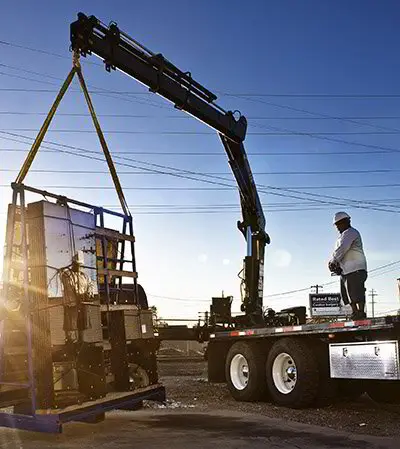
Milford sits on Long Island Sound between New Haven and Bridgeport, with I-95, the Merritt Parkway and the Boston Post Road all running through town. Much of the crane work here is smaller and quicker than big-city tower jobs: boom trucks setting rooftop units on retail buildings, knuckle booms delivering trusses to new homes, marina lifts, and sign installations along busy commercial strips. Short jobs still need crane operator certification, and Milford, CT employers can get it without sending crews far.
The Crane School trains operators for NCCCO exams from one base in Seffner, Florida. We have no Milford office, but our instructors travel to employers in the area and can schedule NCCCO practical exams at your site.
Programs that suit small fleets
A shoreline contractor with two boom trucks and a knuckle-boom delivery truck has different needs from a heavy-lift company. Here is how Milford-area crews usually line up with our programs:
- Operators of knuckle-boom delivery and service trucks: articulating crane certification prep for the NCCCO ABC, ABL and ABW exams.
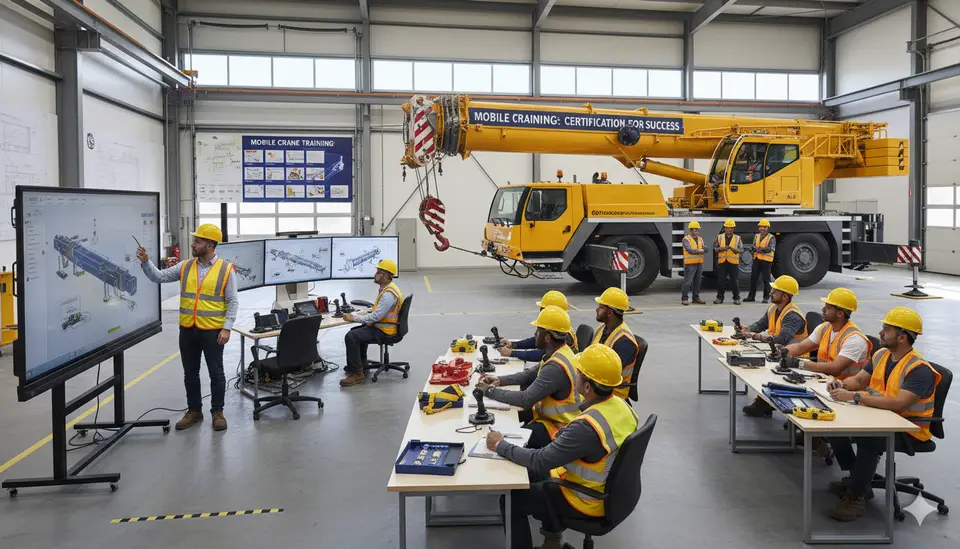
- Boom truck and hydraulic crane operators with seat time: mobile crane certification prep for TSS and TLL.
- Laborers who hook loads or direct the operator: signalperson qualification and certification and rigger training.
Training one or two people? It may make more sense to send them to a scheduled open-enrollment class than to host a session.
Working near the water and in tight lots
Shoreline sites mean salt air on wire rope and hooks, wind off the Sound, and ground near the water that may not carry outrigger loads the way it looks like it should. Retail jobs along the Post Road add traffic, overhead lines and parking-lot setups with little room to swing.
OSHA's power line safety rule, 1926.1408, is especially relevant to boom trucks working in commercial strips. Our instructors cover encroachment zones, spotter duties and pre-lift planning in a way that applies directly to these jobs, not just to the exam.
Winter on the shoreline brings its own checklist: ice on steps and handholds, snow hiding soft ground, and cold that stiffens hydraulic response at startup. We talk through practical habits for each, such as clearing and inspecting pads before setup and allowing time for the machine to warm up, so your crew carries good routines into every season.
Crane operator certification in Milford: Connecticut rules on top of OSHA
Connecticut is one of the states with state-level crane operator requirements in addition to OSHA. Before you or your crew work there, confirm current rules with the state agency and NCCCO's state licensing information. For broader context, see our page on crane training across Connecticut.
NCCCO, not The Crane School, issues CCO certifications. We prepare candidates and coordinate the exams. Once an operator certifies, the card is valid for five years, so it is worth tracking expiration dates across your crew and planning recertification during the final year.
Booking training from Milford
For on-site work, tell us your crane types, number of candidates, and preferred dates, and we will build a plan around your season. Many shoreline contractors schedule training in the slower winter months.
To attend in Florida instead, fly into Tampa International and stay near our Seffner center; written CCO exams are offered there every month. Read about what mobile crane training involves, then send us a request.