What lifting looks like in New Haven
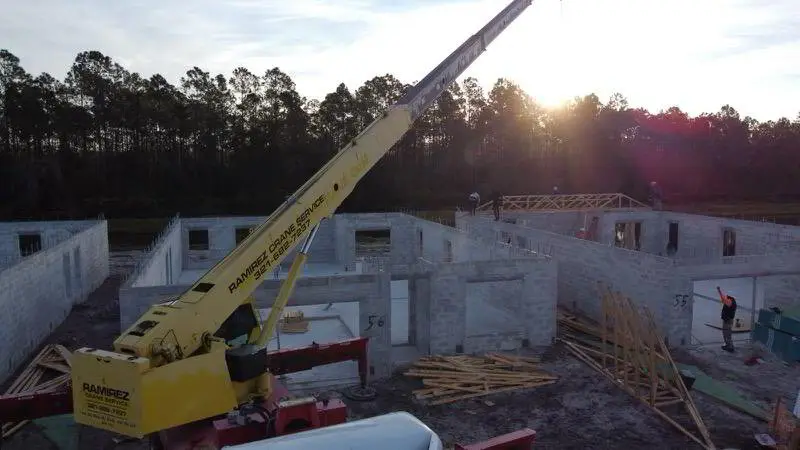
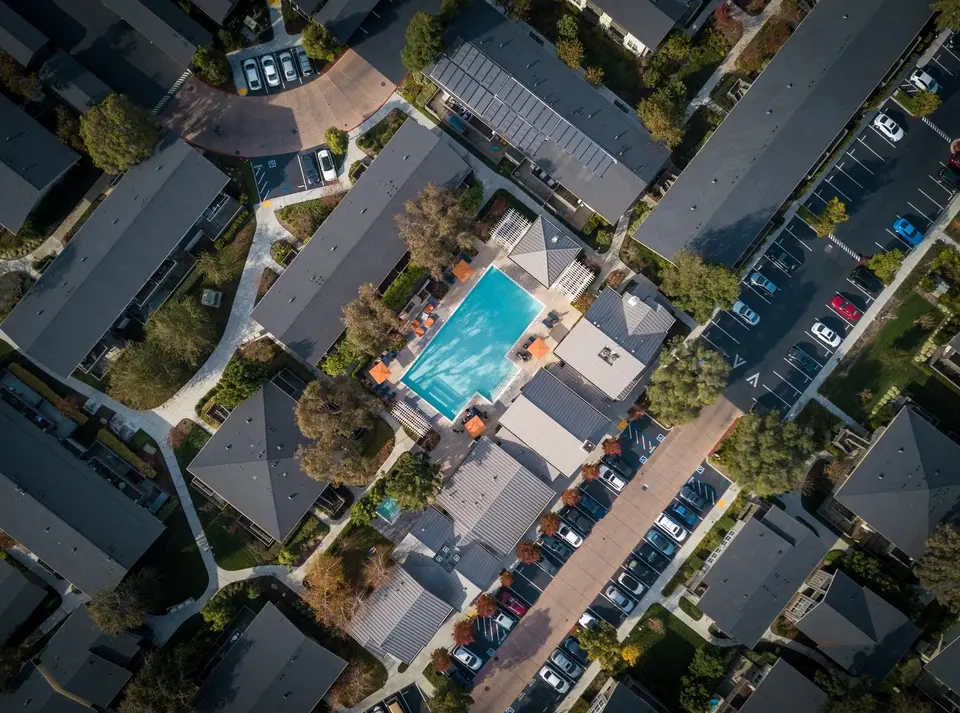
New Haven combines a university city, a major medical center and a working harbor in a compact footprint where I-91 meets I-95. Crane work here often means mechanical equipment hoisted onto institutional roofs, steel set on narrow downtown lots, and cargo and materials handled near the port. Each of those calls for operators who can plan a lift in a tight space and communicate clearly with the people on the ground.
The Crane School supports that work with NCCCO crane training for New Haven employers. We are based in Seffner, Florida, with no New Haven location, and we travel to your facility to teach and test.
Lifts on campuses and crowded streets
Urban and institutional sites change the job. Swing radius may cross sidewalks or occupied buildings, deliveries are timed around pedestrians and traffic, and the operator often cannot see the load at the point of placement. Hospital and campus work may also involve occupied buildings, after-hours lift windows and strict exclusion zones that need careful coordination with facility staff. That puts weight on the signalperson and the rigger as much as the operator.
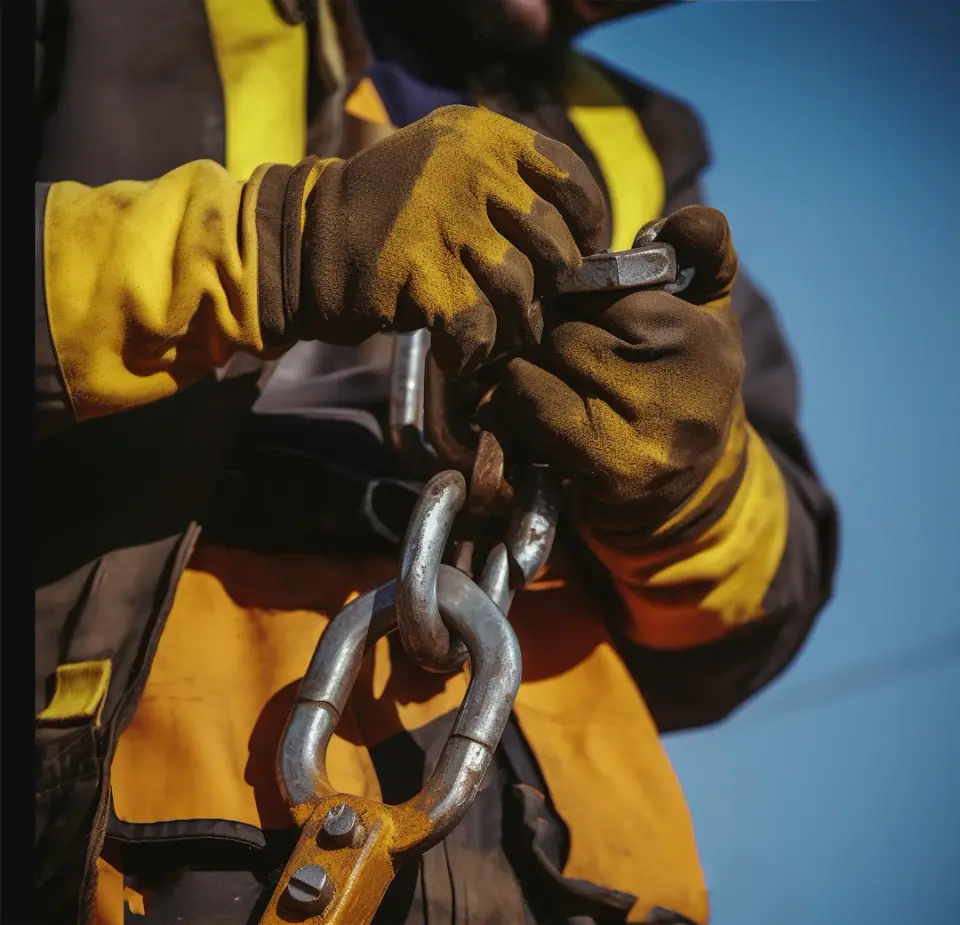
We recommend New Haven crews train as a team. The rigger qualification and certification program covers load weights, sling selection and hitches, while signalperson training standardizes the hand and voice signals your operators rely on when the hook is out of view. For our view on how those roles work together, read The Silent Conversation: rigging and signaling.
NCCCO crane training in New Haven: on-site sessions and practical exams
When we come to New Haven, classroom time can happen in a site trailer, a training room or a shop office. Practical exams follow on the cranes your company operates, once equipment and site layout are confirmed for testing,, run by NCCCO Accredited Practical Examiners on our staff. This keeps operators near home and lets you schedule around project milestones.
Experienced operators preparing for TSS, TLL or LAT exams use our mobile crane certification prep. If supervisors or project managers need a grounding in crane compliance, our instructors can add the Managing Crane Safety class to the same visit. You can also ask about our written-exam guarantee when you plan the training.
A note on Connecticut licensing
Federal OSHA standards apply to construction cranes in every state. Connecticut also has state-level crane operator requirements in addition to OSHA; confirm current rules with the state agency and NCCCO's state licensing information before anyone operates there. NCCCO publishes state-by-state information at nccco.org (opens in a new tab).
Our Connecticut overview explains how employers across the state use our services.
Coming to Seffner for open enrollment
New operators with no experience usually do best in a full-time program with daily seat time. Our 3-week and 5-week initial mobile crane programs in Seffner run Monday through Thursday, 7:00 AM to 4:00 PM, and end with NCCCO exams. The 3-week option focuses on telescopic boom cranes; the 5-week option adds lattice boom work and the LAT exam. Fly into Tampa International, and check the class calendar for upcoming start dates.
Plan to bring hard-toe footwear, a hard hat, work clothing, gloves, government-issued photo ID and a valid driver's license. Training materials are provided. Experienced New Haven operators who only need recertification can instead attend the monthly Friday-to-Monday prep class, which keeps time away from work to a long weekend.