
NCCCO crane training for Orlando, one highway away
Orlando and Seffner sit on the same interstate. Head west on I-4 toward Tampa, and our training center on US-92 in Seffner is just off the Tampa end of the corridor. That makes NCCCO crane training for Orlando operators a drive of roughly a couple of hours, depending on traffic, rather than a cross-country trip.
We have no Orlando branch; all open-enrollment classes happen in Seffner. For employers who would rather keep crews in Central Florida, our instructors can also travel to your site and schedule practical exams on your own equipment.
Central Florida construction keeps cranes moving
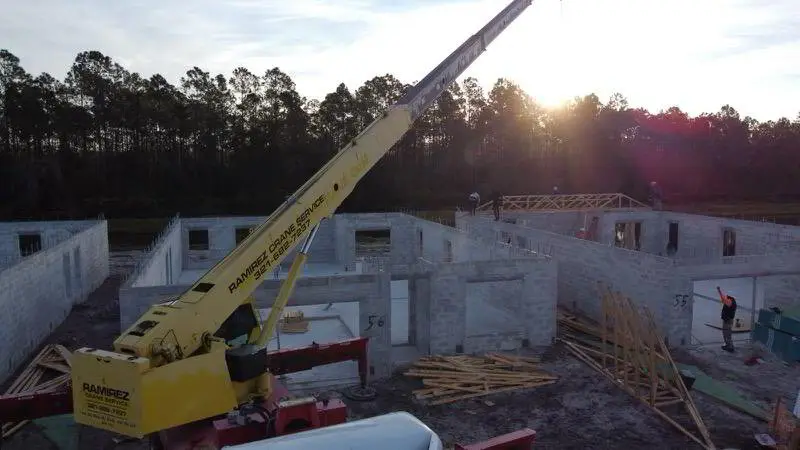
Orlando is known worldwide for tourism, and that industry drives a lot of lifting: attraction and resort construction, hotel and convention projects, and the roads and utilities that serve them. Add steady residential growth across Orange, Osceola and Seminole counties, plus warehouses and medical campuses, and the region uses everything from large crawlers to boom trucks and telehandlers.
Theme park and resort work often happens near guests, with tight schedules and decorative structures that are awkward to rig. Experienced riggers and signalpersons are as important as the operator on these jobs.
Many Orlando projects also run on fixed opening dates, which can push crews to work long hours under pressure. Certified operators who understand load charts, setup requirements and their own authority to stop a lift are better placed to keep those schedules from turning into shortcuts. That is the mindset our instructors try to build, whether the class is in Seffner or in your own yard.
Choosing a schedule that works from Orlando
Commuting or staying over
Some Orlando-area students drive in daily, especially from the western suburbs; others prefer to stay near Seffner Monday through Thursday during the 3-week or 5-week initial program. Either way, the program wraps up its week on Thursday afternoon.
Short classes for working operators
The monthly Friday-to-Monday mobile crane certification prep suits operators who cannot miss a full week. Two-day rigger and signalperson classes are just as manageable.
Telehandlers
Residential and commercial builders who use telehandlers to set loads can certify operators through the telehandler operator program, which prepares candidates for the NCCCO THO exams.
Heat, storms and soft ground
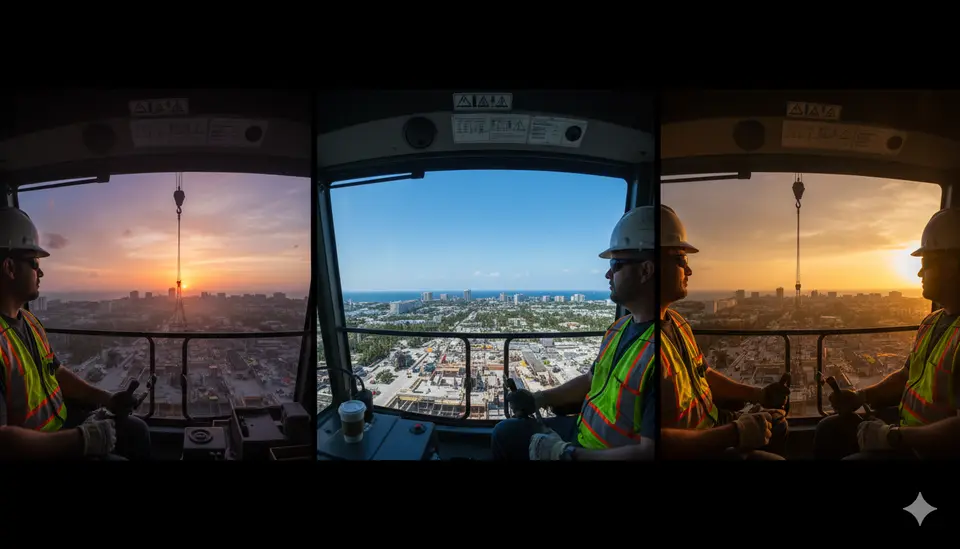
Central Florida summers are hot and humid, with afternoon thunderstorms and lightning almost daily for months. Crews need clear stop-work criteria and a plan for where to go when a storm cell builds. Sandy soils and areas with sinkhole concerns also mean outrigger support deserves careful attention. Our instructors fold these realities into practical training, and our article on a day in the life of a Florida crane operator gives a feel for the work.
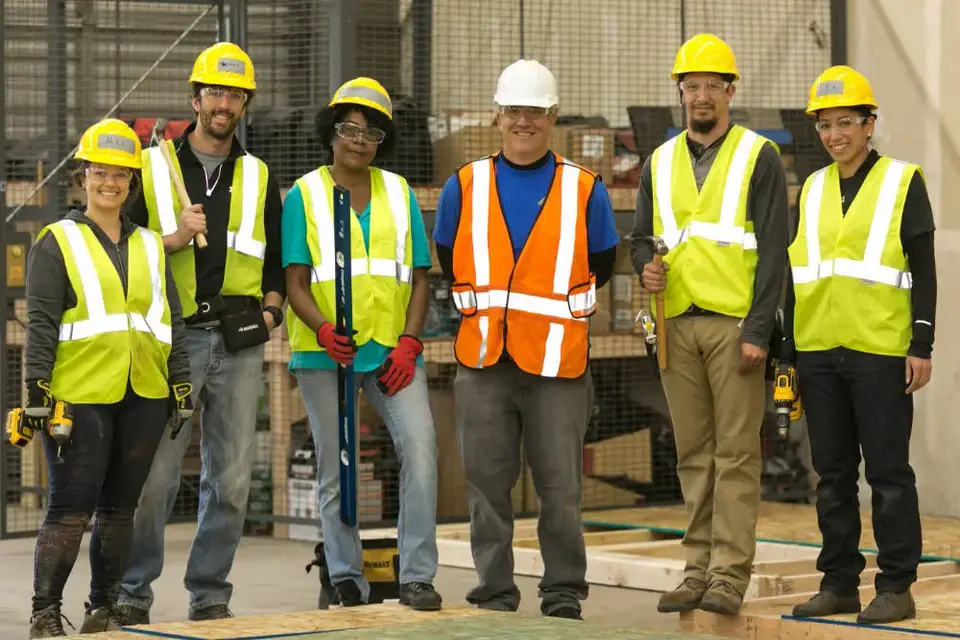
Bring hard-toe footwear, a hard hat, gloves, work clothes and sunglasses for time in the field, along with a government-issued photo ID and a valid driver's license. Water and sun protection are smart additions on any Florida training day.
Licensing and next steps
Florida is not on the commonly cited list of states with separate crane operator licensing; federal OSHA rules govern, and project owners may require more. Our Florida overview has statewide details. When you are ready, see upcoming dates on the class calendar.