A river port city with heavy lifting
Jacksonville is built around the St. Johns River and a busy seaport, with naval installations, ship repair and logistics operations alongside a growing downtown and spreading suburbs. That makes the First Coast a place where crane work spans container and breakbulk cargo, maritime repair, warehouse construction and bridge and road projects.
For crane operator training in Jacksonville, The Crane School offers two routes: on-site training at your facility in Northeast Florida, or open-enrollment classes at our training center in Seffner, east of Tampa. We do not have a Jacksonville office.
Crane operator training in Seffner: making the drive from Jacksonville
Jacksonville is a few hours' drive from Seffner, typically by heading south on I-95 and across on I-4, or by taking I-10 and I-75. Students in the 3-week or 5-week initial mobile crane operator training program commonly drive down Sunday, train Monday through Thursday, and head home for the weekend.
Experienced operators can take the monthly Friday-to-Monday prep weekend, with practical exams on Friday and written exams Monday morning. Written CCO exams are also held in Seffner every month.
If you are coming for a single weekend, the drive is manageable both ways. For multi-week programs, staying near the training center Monday through Thursday saves a long round trip each day; our hotels page explains the negotiated rate we have with a nearby hotel. Pack hard-toe boots, a hard hat, gloves and work clothing, plus photo ID and your driver's license.
Port and maritime crews
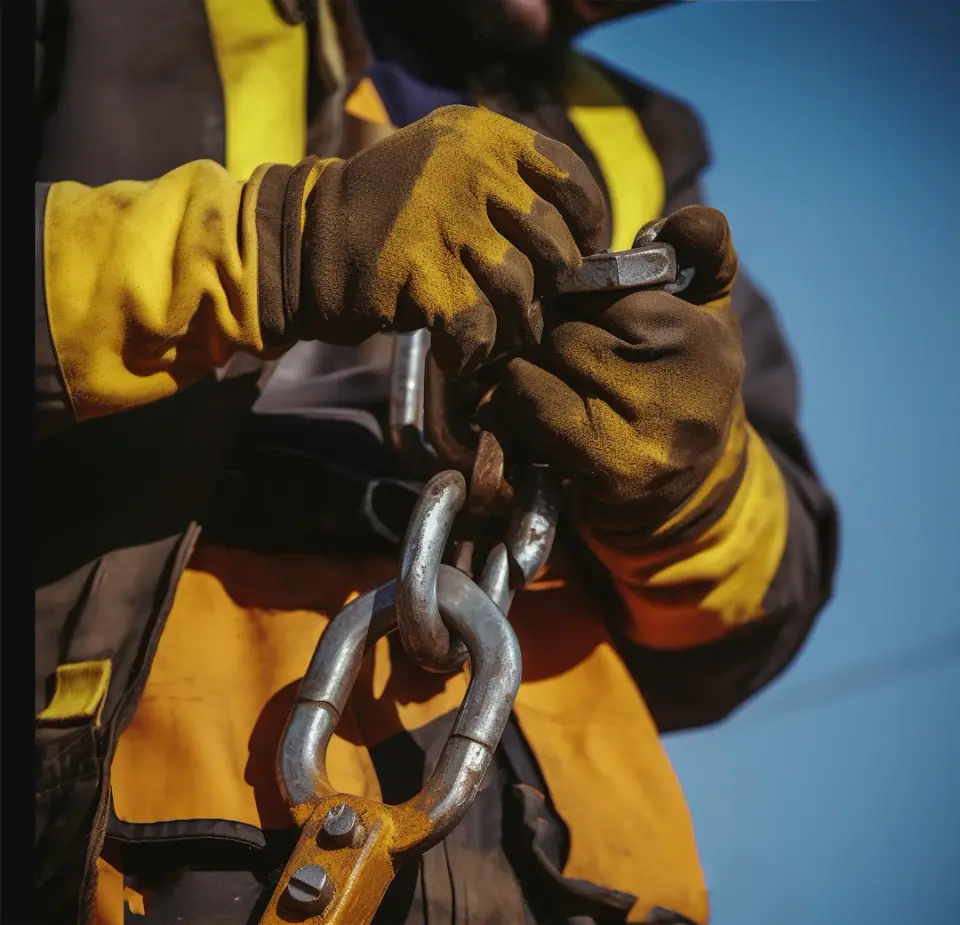
Waterfront lifting involves heavy, irregular loads, multiple people in the lift chain, and wind off the river and the Atlantic. Rigging and signaling discipline is critical. Our rigger qualification and certification program prepares candidates for NCCCO Rigger Level I and II, and signalperson training standardizes communication between the deck, the dock and the cab.
We can bring these classes to your Jacksonville facility, with practical exams run by NCCCO Accredited Practical Examiners on our staff. On-site sessions keep crews close to the work and let them train on the gear they use every shift.
Ship repair and industrial yards may also use articulating cranes on trucks or barges and telehandlers for material handling. Those operators can prepare for NCCCO articulating or telehandler exams during the same visit, so one trip covers several roles on your crew.
A path for veterans
Northeast Florida is home to a large military community, and many people leaving the service look for skilled trades with clear standards. Crane operation rewards the same habits the military builds: procedure, communication and attention to detail. Our article on why crane operating fits Florida's veterans explores that connection. Many veterans also bring experience with heavy equipment or rigging from their service. For pay information, check the BLS Occupational Employment and Wage Statistics for crane and tower operators (53-7021).
Weather and rules on the First Coast
Jacksonville faces Atlantic hurricanes and nor'easters as well as Florida's summer thunderstorms, so storm preparation and wind limits are part of every lift plan. Federal OSHA rules govern crane operators in Florida, which is not among the states commonly cited for separate crane licensing; port authorities and contractors may set stricter requirements. See our Florida training page for more, or contact us to plan training.