
Hilo crane certification without leaving the island
Hilo is the largest town on the east side of Hawaii Island and home to Hilo Harbor, the county's government center and a university campus. Crane work here tends to involve harbor cargo, utility and public-works projects, commercial and institutional buildings, and the agricultural operations that surround the town. For crews that are a long way from any mainland training center, getting certified close to home matters.
The Crane School offers crane certification prep in Hilo, HI by sending instructors and accredited practical examiners to your facility. We have no office in Hawaii; our training center is in Seffner, Florida.
Rain, slopes and volcanic ground
East Hawaii is one of the wettest areas in the state. Frequent rain affects visibility, makes steel and hand signals harder to see, and can leave ground saturated for days. Volcanic soils and fill can behave unpredictably under outrigger loads, and many sites sit on slopes that require careful leveling and cribbing.
Our practical sessions address these conditions directly. Operators work through setup on uneven or soft ground, using mats and cribbing correctly, and making the call to wait when rain, wind or poor visibility make a lift unsafe. Wet-weather discipline is something that carries far beyond the exam.
The island setting adds one more consideration. Volcanic activity and earthquakes are part of life on Hawaii Island, and while they rarely affect a given lift day, they are a reminder to keep emergency procedures current. Crews should know how to secure a load and boom quickly, who calls a stop, and how to inspect the machine and the ground before resuming work after any unusual event.
Programs that suit Big Island crews
Many Hilo employers run smaller fleets with mixed equipment, so we tailor each visit:
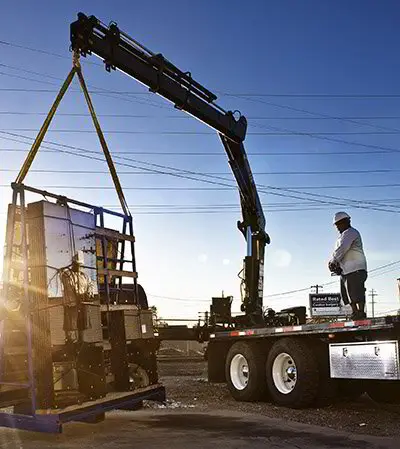
- Boom truck and hydraulic crane operators preparing for TSS and TLL through our mobile crane certification prep program
- Knuckle-boom delivery and service operators preparing for ABC, ABL or ABW through articulating crane certification prep
- Ground crews completing rigger and signalperson training
Where a company uses telehandlers to set loads, THO exam prep can be included. Our article on choosing the right crane training can help you decide what your team needs.
Hawaii's state-level crane rules
In addition to federal OSHA standards, Hawaii has state-level crane operator requirements. Before you or your crew operate in the state, confirm current rules with the state agency and NCCCO's state licensing information. Our Hawaii crane training overview has more about how we work across the islands.
Making a visit worthwhile
Travel to Hawaii Island takes planning, so the best on-site visits bundle several needs together: operator certifications that are coming due, new operators ready to test, riggers and signalpersons who need qualification, and supervisors who would benefit from the Managing Crane Safety class. Neighboring employers sometimes coordinate so their crews share a training window. A county department, a utility contractor and a building supplier might each send a few candidates, keeping costs reasonable for everyone.
Individuals can also fly to Tampa International for open-enrollment classes in Seffner, though the trip from Hilo usually involves multiple connections. Get in touch to talk through the options.