A long working relationship with Honolulu
Honolulu is one of the places where our on-site model has the longest track record. Public agencies and private employers on Oahu have brought The Crane School to the island to prepare their people for NCCCO written and practical exams, rather than sending crews thousands of miles to Florida. Organizations we have trained for include Hawaiian Electric and the City & County of Honolulu.
Benjamin Pila, Driver Improvement Coordinator for the City & County of Honolulu, put it this way:
"The City & County of Honolulu has received excellent information and training from ‘THE CRANE SCHOOL’ in preparation for the NCCCO written and practical examinations. We highly recommend the services that The Crane School has to offer."
We have no Honolulu office. Our training center is in Seffner, Florida, and crane operator training in Honolulu is delivered by instructors who travel to your facility.
What Oahu lifting involves
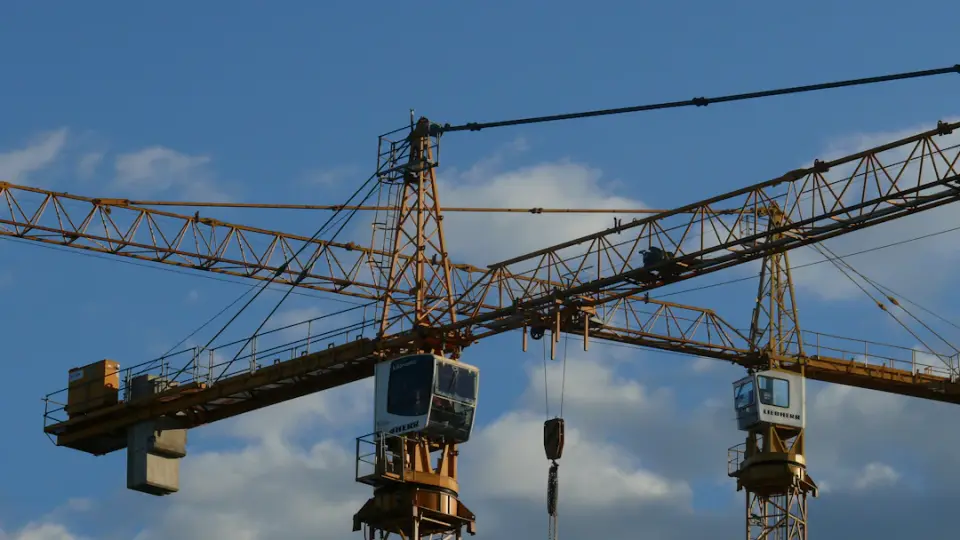
Honolulu combines dense high-rise construction in town and Waikiki, Honolulu Harbor, the main gateway for goods shipped into the state, military installations around Pearl Harbor, and utility and public-works crews maintaining infrastructure across the island. Each brings different equipment: tower and crawler cranes on high-rises, mobile cranes and boom trucks for public works, and knuckle booms for deliveries.
Island logistics also matter. Replacement parts and specialized equipment take time to arrive, which gives everyone a strong reason to avoid damage and downtime through careful operation. A dropped load or a damaged boom can idle a crew for weeks while parts are shipped in, so well-trained operators protect schedules as much as safety.
Trade winds, salt air and the crew on the ground
Steady trade winds are part of life on Oahu, and gusts funneling between towers or across open harbor areas can quickly exceed a crane's limits for a large or flat load. Salt air speeds corrosion on wire rope, sheaves and hooks, making daily inspections essential.
Because conditions are hard on equipment and people alike, Honolulu employers often train full lift teams. Our rigger qualification and certification program and signalperson training prepare ground crews for NCCCO exams, while the mobile crane certification prep program covers TSS, TLL and LAT for operators. Practical exams are held on Oahu by accredited examiners on our staff.
Hawaii's crane requirements
Hawaii has state-level crane operator requirements in addition to OSHA. Confirm current rules with the state agency and NCCCO's state licensing information before you or your crew operate there. NCCCO publishes state licensing information at nccco.org (opens in a new tab). Our Hawaii crane training page explains how we serve the rest of the islands.
NCCCO issues certifications; The Crane School prepares candidates and coordinates exams.
Planning on-site crane operator training in Honolulu
Most Honolulu clients schedule a block of training that covers several crews in one visit, which makes the most of instructor travel. Share your headcount, crane types and certification expiration dates, and we will build the schedule. Our article on making the most of on-site crane training offers tips for preparing your site and candidates.
Individuals without an employer-sponsored class can still train with us in Seffner. The trip from Honolulu to Tampa International typically involves connecting flights, so plan an extra day on each end. Multi-week programs run Monday through Thursday, and the monthly recertification prep runs Friday to Monday. To get started, contact us.