Onsite Crane Training: How to Plan NCCCO Certification at Your Facility
Why Companies Bring Training On-Site
Sending a crew across the country for training costs more than tuition. There is travel, lodging, time away from projects and the challenge of learning on unfamiliar cranes. Onsite crane training turns that around: the instructors come to you, the crew trains on the equipment it actually runs, and NCCCO exams can be scheduled as part of the visit.
The Crane School delivers scheduled programs, including required NCCCO exams, anywhere in the country, and our accredited practical examiners can schedule practical exams nationwide. This post is a planning guide for employers considering that route. For a broader look at the safety benefits, see our post on maximizing safety with onsite crane training.
Step 1: Define What You Need
Start by being specific. A clear request gets you an accurate plan and quote.
- Who is training? Number of people, and an honest view of each person's experience.
- Which designations? Mobile (TSS, TLL, LAT), articulating (ABC, ABL, ABW), telehandler (THO), rigger, signalperson, or a mix.
- Initial or recertification? Check expiration dates for anyone already certified.
- Any supervisors? Managers may benefit from a Managing Crane Safety class scheduled during the same visit.
Mixed groups are common. A crew might include two operators recertifying, three new operators and four riggers. Sorting them up front lets the schedule work for everyone.
Step 2: Prepare the Equipment
Onsite training works best on your own cranes, but they need to be ready.
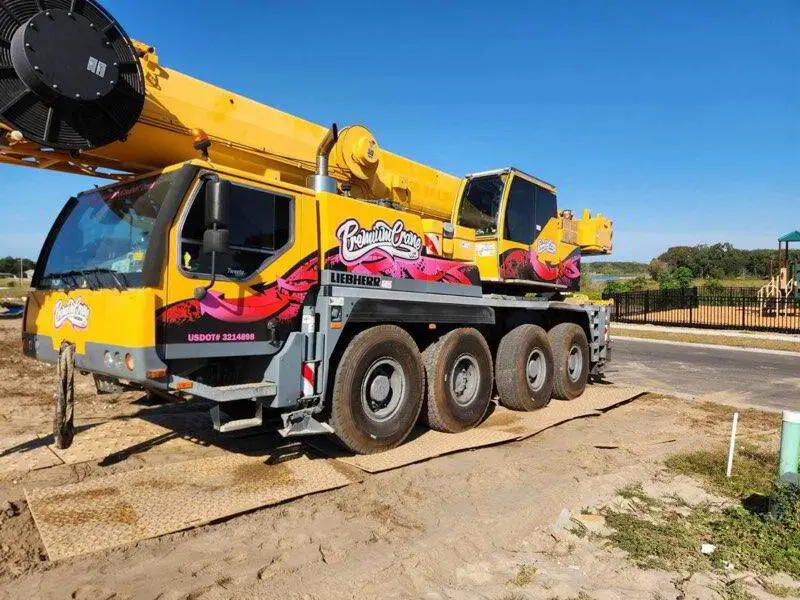
- Match the designations. You need a crane of each type candidates are testing on. A fixed-cab boom truck cannot stand in for a swing-cab crane.
- Confirm condition and paperwork. Cranes should be in good working order with current inspections. If an annual inspection is due, our crane inspection services can often be scheduled alongside training.
- Have load charts and manuals. Each crane's charts and operator's manual should be in the cab.
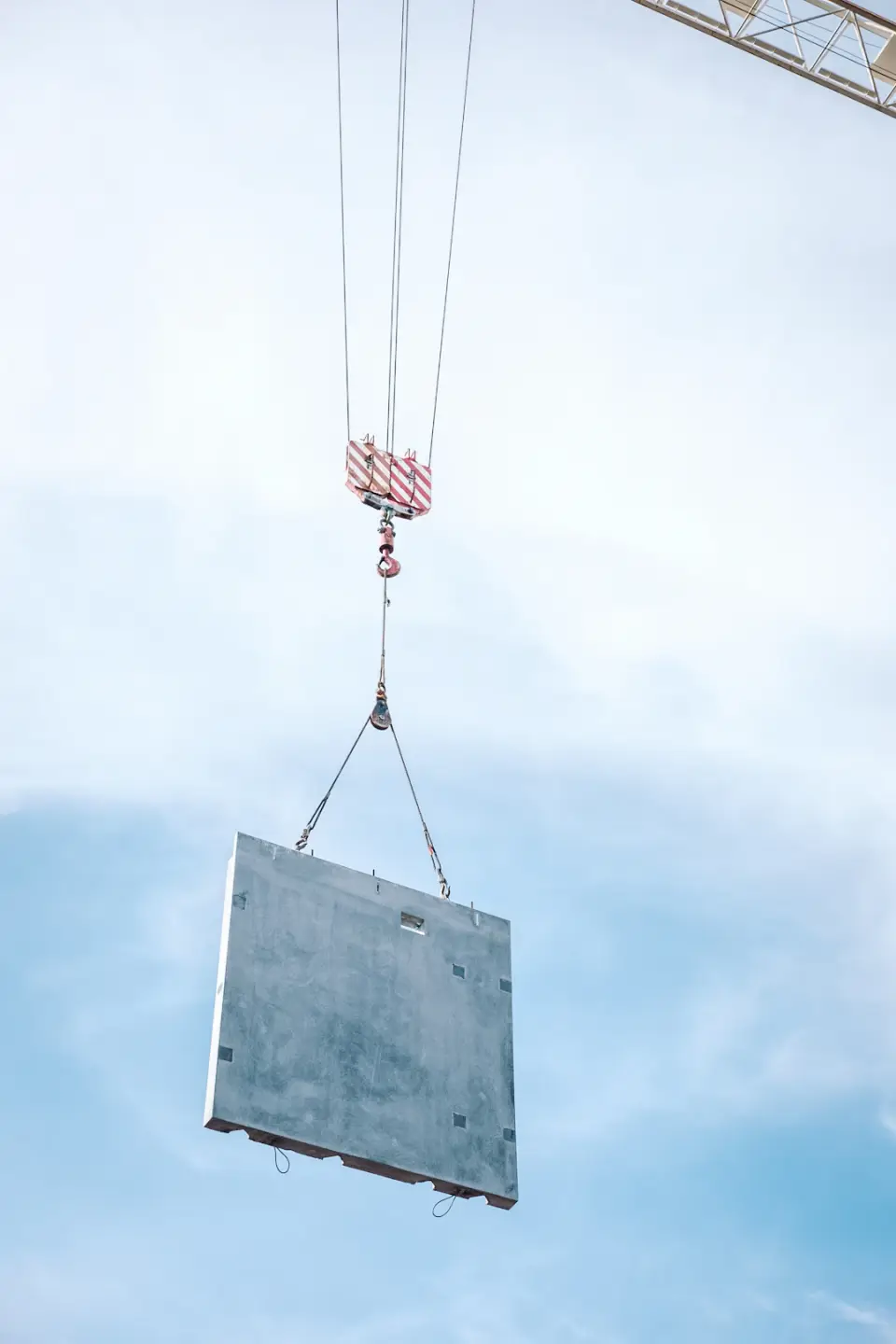
- Plan rigging and test weights. Practical exams use a test load and specific rigging. We will confirm what is needed for each exam type.
- Assign a mechanic or contact. Someone who can fix a minor issue keeps a training day from stalling.
Step 3: Prepare the Space
Training and practical exams need room. Plan for:
- A level, firm area large enough to set up the crane and lay out a practical exam course, clear of overhead power lines and other hazards.
- Controlled access, so production traffic and visitors stay out of the training zone.
- A classroom space with tables, seating, power and a way to show presentations. A break room or job trailer often works.
- Restrooms, water and shade, especially in hot climates.
NCCCO has specific requirements for practical exam sites. We will walk through them with you ahead of time so there are no surprises on exam day.
Step 4: Prepare the Candidates
Onsite training goes best when candidates arrive ready to learn rather than straight off a night shift with no idea what is coming.
- Share the schedule early and protect training time from production calls.
- Collect paperwork in advance: legal names matching photo ID, applications and medical attestations.
- Give candidates study materials a few weeks ahead, especially load chart practice.
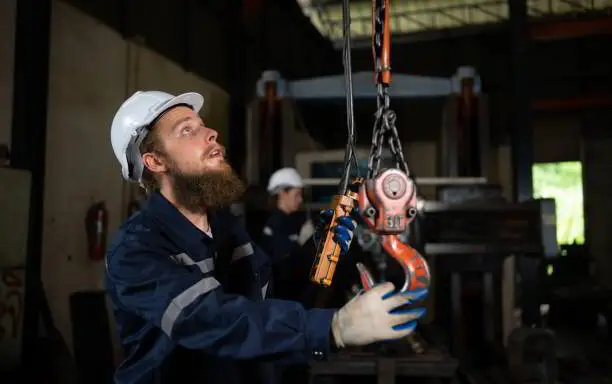
- Make sure everyone has PPE: hard-toe footwear, hard hats, gloves, appropriate clothing and sunglasses.
- Set expectations: this is real exam prep, not a day off.
Tips for Trainees
If you are on the crew receiving training, a few habits help you get the most from it:
- Treat practice like the exam. Run the course smoothly every time, not just when someone is watching.
- Ask for feedback early. Ask the instructor what would cost you points now, not after the practical.
- Speak up about weak spots. If load charts confuse you, say so on day one.
- Learn from coworkers. Watch how experienced colleagues handle the course, and share what you know.
- Keep studying at night. Short evening reviews of charts and signals make a big difference.
For more on exam technique, see our NCCCO practical exam tips.
After the Visit
Once training wraps up, a few follow-ups lock in the value:
- Track results and card arrival. Cards usually arrive 3 to 5 weeks after passing.
- Complete employer evaluations. OSHA 1926.1427 requires them for each operator on the equipment they will run.
- Schedule any retests promptly, inside NCCCO's time window.
- Record expiration dates so the whole group can recertify together in five years.
Many companies make onsite training a regular cycle, bringing new hires up to certification each year and recertifying groups as their dates approach.
Onsite or Open Enrollment?
Onsite training is not always the right answer. It makes the most sense when you have several people to train, suitable cranes and space, and a crew that runs the same equipment. When you have only one or two people, or no crane of the type they need, sending them to an open-enrollment class at our Seffner, Florida facility is often simpler. Written exams are offered there every month, and the training cranes and test course are already set up.
Some employers use both: onsite sessions for the core crew, and open enrollment for new hires who join between visits. You can see upcoming open-enrollment dates on the class schedule.
Start Planning
Onsite training takes a few weeks of coordination, so start early, especially before busy seasons. Contact The Crane School with your crew size, crane types and preferred dates, and we will help you put together a plan.
FAQ
Can NCCCO practical exams be held at our facility?
Yes. Our accredited practical examiners can schedule exams at sites nationwide, provided the site and equipment meet NCCCO requirements.
Do we have to use our own cranes for onsite training?
Using your own cranes is usually best, since crews train on what they run. We will discuss options if you lack a crane of a particular type.
Is onsite training only for large companies?
No. Small crews often benefit too, especially when travel costs and time away from work would be significant.
How far in advance should we plan onsite training?
Several weeks is typical, and more lead time helps during busy seasons.