State Rules, City Rules and Federal OSHA in Illinois
For most of Illinois, the crane rules are federal. Federal OSHA oversees private employers, and construction cranes come under 29 CFR 1926 Subpart CC, where section 1926.1427 calls for certification from an accredited body. The state's own OSHA program covers public employers.
Chicago is the major exception to keep in mind. Chicago is widely reported to impose crane operator rules of its own on top of OSHA. Any job inside the city limits calls for a check of the latest city requirements, along with NCCCO's licensing pages, before the crane is set up. Outside Chicago, Illinois crane operator training is really about earning an accredited credential like the NCCCO card, and that is what our courses are built to prepare you for. The certificate itself comes from NCCCO; we provide the preparation.
Skylines, Rail Yards and River Barges
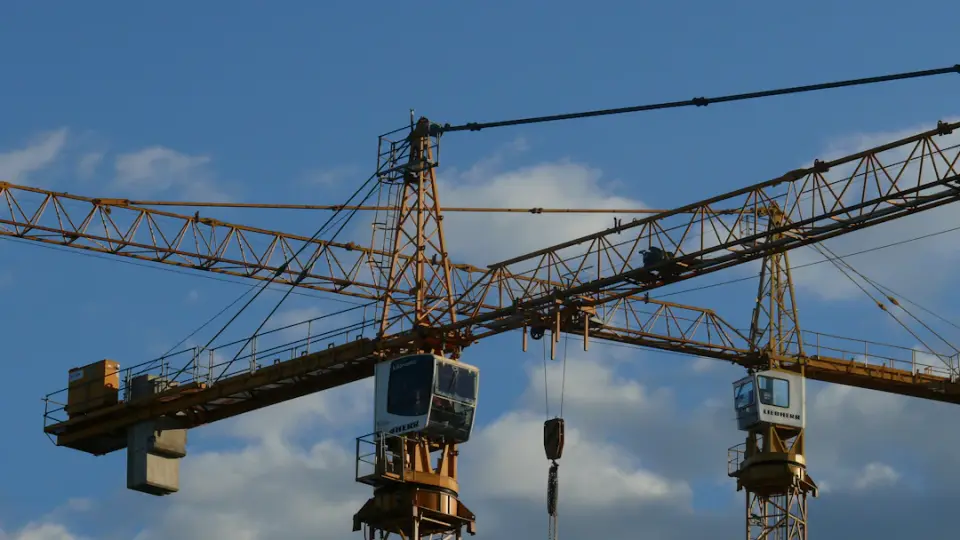
Illinois has a wide range of lifting work. In Chicago, tower and mobile cranes squeeze into tight downtown sites for high-rise work, and the wind coming off Lake Michigan is always part of the lift plan. Chicagoland also ranks among the nation's biggest rail hubs, and its intermodal yards and track infrastructure call for heavy picks.
Downstate, the Illinois and Mississippi rivers carry barge traffic, and river terminals handle grain and bulk cargo. Manufacturing, refineries and power plants across the state run maintenance and turnaround lifts, while grain elevators dot the farm country. Winter cold and spring storms add their own scheduling concerns.
Each of those settings asks something different of an operator. Urban jobs demand precise control and close coordination with signalpersons who may be out of sight; river and rail work often involves long reaches, heavy cargo and moving equipment nearby. Training on the type of work your crew does helps those skills carry over.
Getting Training to Your Illinois Crew
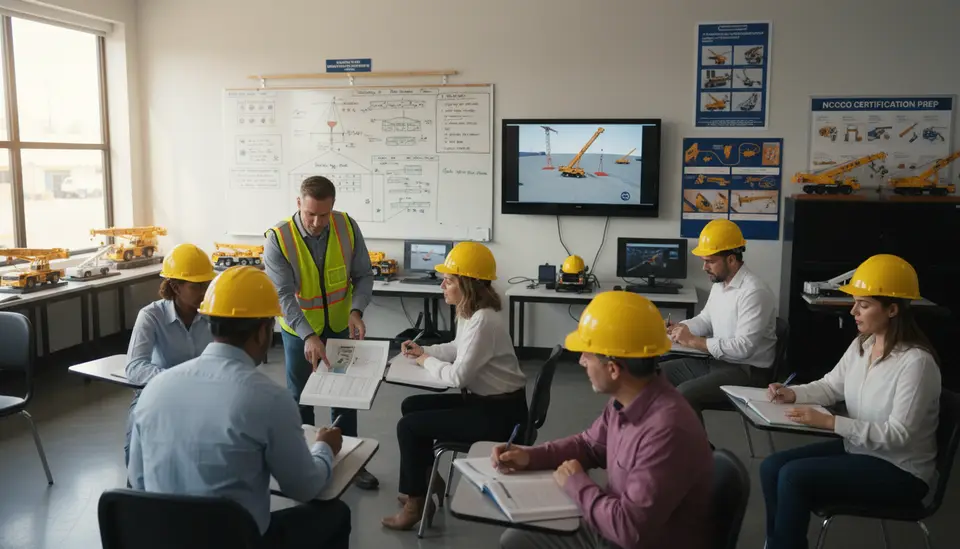
Employers have two routes. On-site training brings our instructors to your Illinois yard, plant or jobsite, where they teach on your machines and our NCCCO Accredited Practical Examiners test candidates in place. Plants and contractors with a group of candidates usually find this the better fit.
Anyone training on their own can join an open-enrollment class at our single campus in Seffner, Florida, just east of Tampa. That campus also hosts NCCCO written testing monthly. Many Illinois students fly from Chicago or St. Louis into Tampa International. For more about Illinois-specific options, see our Illinois mobile crane operator course page.
Let us know up front if any of your projects sit within Chicago city limits. That helps us plan so the NCCCO portion of your crew's credentials lines up with whatever additional city requirements your safety team is tracking. Send along your equipment list as well, because the cranes your crew operates decide which NCCCO exams each person sits.
Program Choices for Illinois Operators and Crews
Operators with experience
Our monthly mobile crane prep weekend meets Friday through Monday and wraps in the TSS, TLL and LAT exams, both written and practical. It also serves operators who are recertifying.
People new to cranes
Three weeks gets beginners through telescopic boom training and the TSS and TLL tests. Choose five weeks to add lattice boom cranes and the LAT test.
Ironworkers, riggers and signalpersons
Urban construction depends on the people directing the load. Our rigging course readies crews for NCCCO Rigger Level I and Level II, and the signalperson class drills standard hand and voice signals.
Prep Advice for Busy Illinois Operators
Many Illinois operators are working full schedules when they decide to certify. A few habits help:
- Get into load charts early. Bring charts for your own cranes and work practice problems. Expect plenty of chart questions on the written tests.
- Reserve seat time. Optional practice before prep weekend helps you settle into the practical exam tasks.
- Test written and practical close together. Knowledge is freshest right after class.
Our article with NCCCO mobile crane prep tips has more suggestions.
Career Outlook in Illinois
Illinois offers steady crane work in construction, transportation and industry. Operators who plan to work in Chicago should keep both their NCCCO certification and any city credential current. Adding rigging or lattice boom certifications broadens your options.
For pay, look to the U.S. Bureau of Labor Statistics Occupational Employment and Wage Statistics for crane and tower operators (53-7021), which breaks out Illinois and the Chicago metro. NCCCO certifications last five years.
Riggers and signalpersons on Chicago projects often use that experience as a path into operating, since they already understand how loads move around a crowded site.