
Bowling Green's Growing Industrial Base
Bowling Green has become a manufacturing center for south central Kentucky, with automotive production, suppliers and distribution operations spread around Warren County. Western Kentucky University and steady residential and commercial growth along the I-65 corridor add more construction to the picture.
Those employers need people who can operate cranes, rig loads and direct lifts safely. The Crane School offers crane operator training for Bowling Green either on-site at your facility, where our accredited practical examiners can give NCCCO practical exams on your equipment, or through open-enrollment classes at our training center in Seffner, Florida. We do not have a Kentucky office.
Building on Karst Ground
The Bowling Green area sits in karst country, the same limestone landscape that formed the nearby Mammoth Cave system. Karst is known for sinkholes and voids that may not be visible from the surface, and that matters every time an operator sets outriggers or tracks on unfamiliar ground.
Good practice here means asking about site investigations, using properly sized mats or cribbing, watching for settlement during the lift, and never assuming that firm-looking ground is firm. We build ground-bearing discussions into training because they apply to every crane type, and because a setup failure is one of the hardest problems to recover from once a load is in the air.
Plant Work and Contractor Work
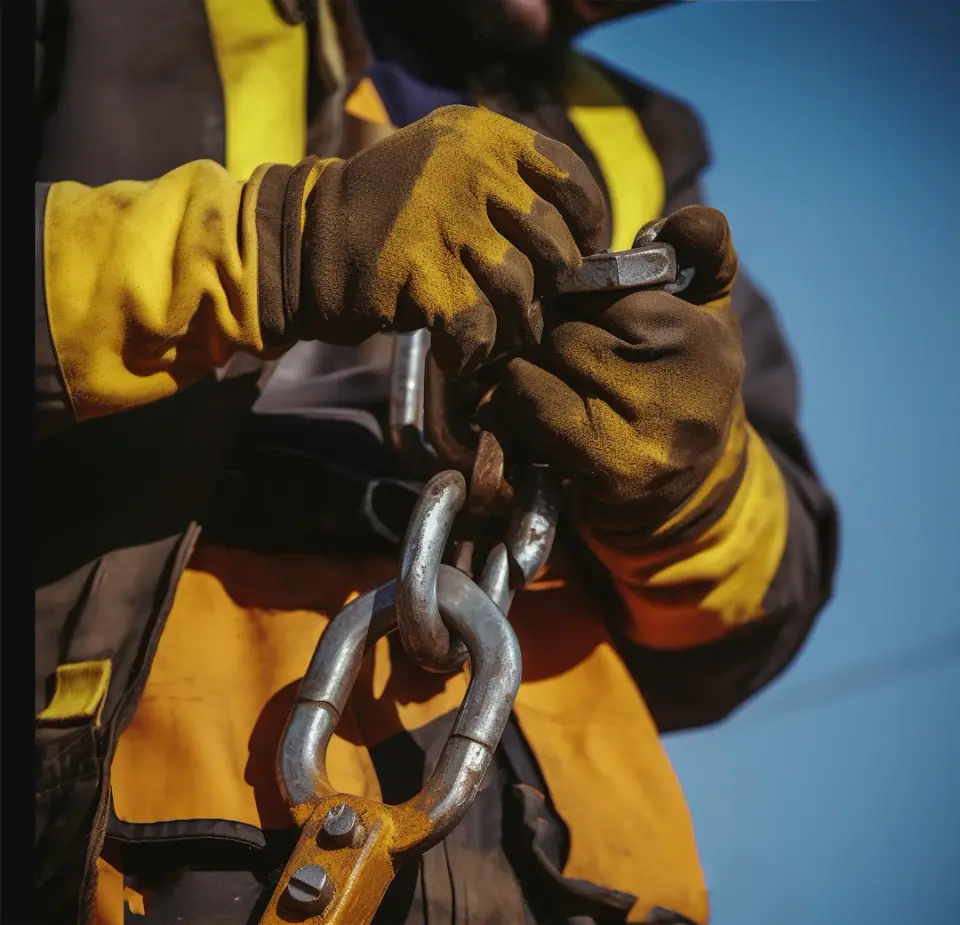
Automotive and supplier plants lean heavily on rigging. Die changes, robot installations and conveyor work all involve heavy, precise loads moved through crowded areas. Our rigger qualification and certification program prepares candidates for NCCCO Rigger Level I and II exams and supports a plant's own qualification process.
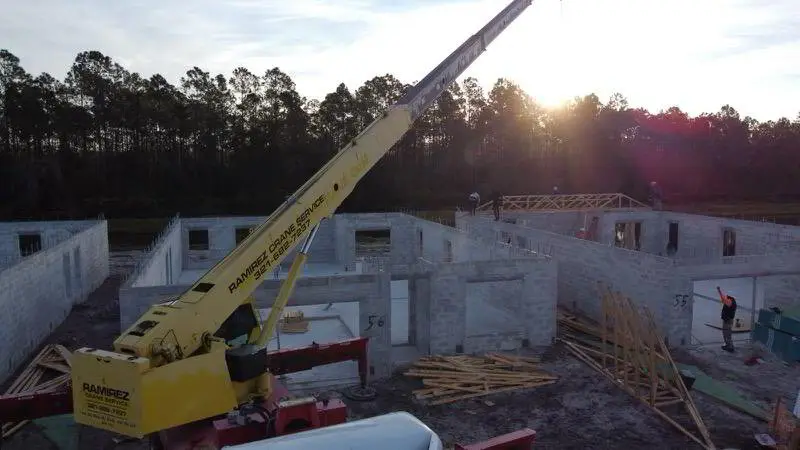
Contractors that bring mobile cranes into those plants, or onto commercial sites around town, typically need TSS, TLL or LAT certification through our mobile crane certification prep.
- Material handlers on construction and distribution sites: telehandler (THO) certification
- Supervisors: the Managing Crane Safety class
- New hires: the three- or five-week initial program in Seffner
Kentucky Regulations
Kentucky is not on the commonly cited list of states with their own crane operator licensing, so federal OSHA rules govern. Under 29 CFR 1926.1427, operators of construction cranes must be certified by crane type through an accredited program such as NCCCO. Plants and project owners often require more.
Our Kentucky crane certification page has statewide background. If you are unsure which credentials a particular plant expects from contractors, ask the plant's safety department before you book training.
Getting Training Scheduled
For groups, on-site training minimizes downtime and lets your people work with your own cranes and loads. For individuals, Nashville's airport is the closest major airport to Bowling Green, and flights to Tampa International put you about half an hour from our Seffner center. Review upcoming open-enrollment dates on the class schedule.
If you are hiring for a new production line or expansion, think about training timing early. Certified operators and riggers are easier to place on a tight startup schedule than people still waiting on exam results, and cards typically take three to five weeks to arrive after passing. Building that lead time into your hiring plan avoids a gap between when the equipment is ready and when your people are cleared to run it. We can also suggest how to stage training so experienced hires certify first and newer employees follow.