Port, Shipyard and City Work
New Orleans is built around the Mississippi River. The Port of New Orleans handles container, breakbulk and project cargo, shipbuilding and ship repair yards operate across the region, and the city's hotels, hospitals and flood-protection infrastructure keep construction crews busy.
New Orleans companies can handle crane operator certification prep two ways: we teach at your facility, or your people join an open class in Seffner, Florida. We have no New Orleans office; our Florida team handles all scheduling.
City Requirements on Top of OSHA
Across the country, 29 CFR 1926.1427 obliges every construction crane operator to hold a certification. New Orleans, though, is one of the cities usually named as having crane operator rules beyond OSHA's — check with the City of New Orleans for what is required now, and review NCCCO's licensing notes, before you take a job inside the city.
Louisiana itself is not on the commonly cited list of states with statewide crane licensing. Three parties are involved: we train, NCCCO certifies, and the city sets any extra requirements. Our Louisiana crane training page covers the statewide picture, and NCCCO (opens in a new tab) maintains licensing information by state and city.
Soft Ground and High Water
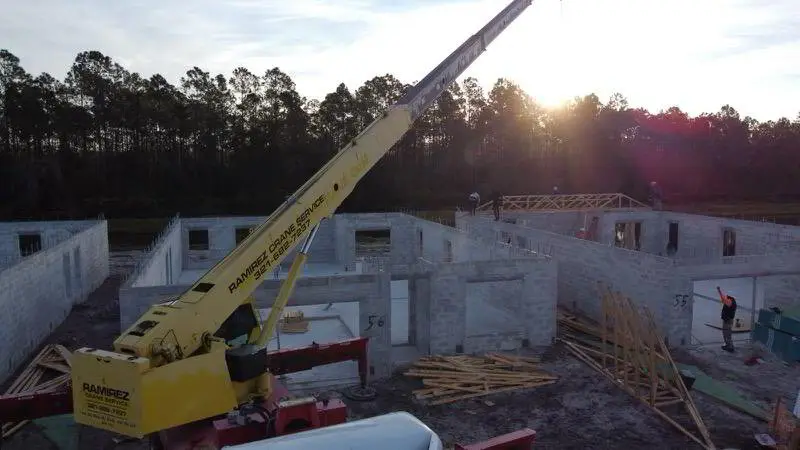
Much of New Orleans sits at or below sea level on soft, wet soils, and that changes how cranes are set up. Outrigger loads that are routine elsewhere can sink into saturated ground here, and buried utilities, old foundations and fill add uncertainty. Mats, cribbing and a real look at ground-bearing capacity are not optional.
The Gulf hurricane season, heavy rain and afternoon storms add wind and lightning to the list. Every crew should agree in advance on the shutdown point, how the boom gets secured and who has the final word. We cover these points during hands-on training because they come up on nearly every New Orleans job. We dig deeper in our post on working cranes safely in severe weather.
Programs for Riverfront and Shipyard Crews
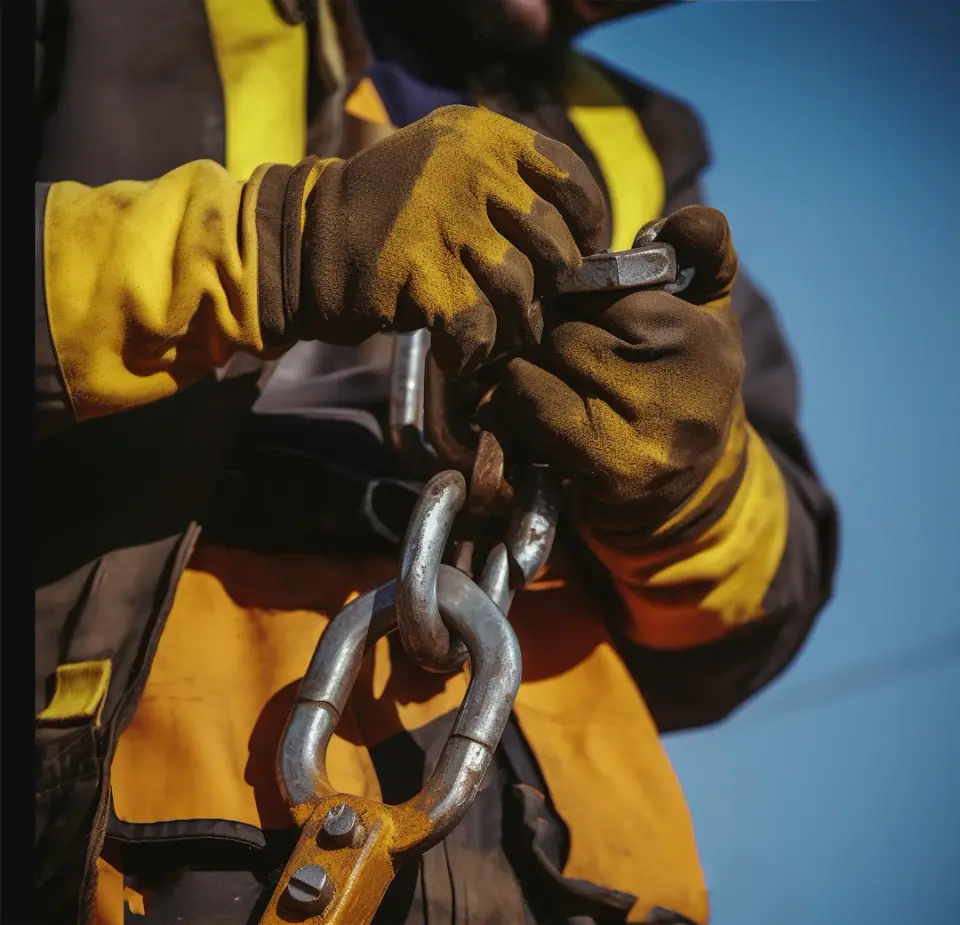
At a shipyard or terminal, the rigging and signaling crew matters every bit as much as the person in the cab. Hull sections, engines and project cargo are heavy and awkward, and lifts often involve tandem picks or loads over water.
- Operators: prep for TSS, TLL and LAT in our Friday-to-Monday mobile crane course
- Riggers: get ready for Level I or II with our rigging qualification course
- Signalpersons: both parts of the NCCCO Signalperson test
- Supervisors: Managing Crane Safety
Your Dock or Our Classroom
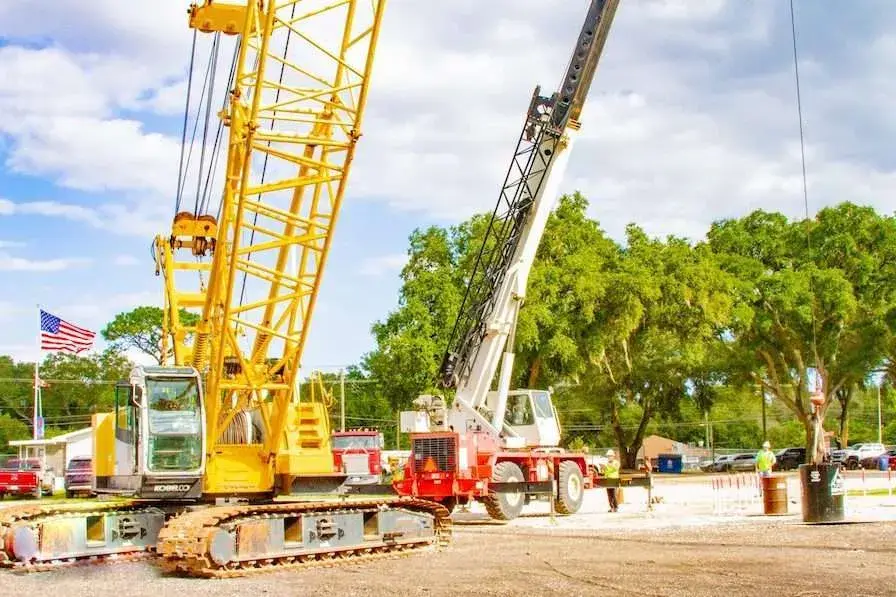
When we come to you, crews practice on their everyday cranes and loads, and our accredited practical examiners give the tests right there. For an individual, it is a quick flight to Tampa and a short drive to Seffner, which holds a CCO written exam session each month.
Preparing for an on-site visit
Let us know the candidate count, the crane types involved and whether you have firm, level ground for a practical test course. In New Orleans that last point deserves extra thought; if your yard sits on soft ground, mats may be needed for the test area itself. We will also ask about port or shipyard security procedures so our instructors can get through the gate without delay.
Many New Orleans employers schedule training outside the peak of hurricane season, when there is less risk of storm interruptions. Classroom work can continue in any weather, but practical testing needs safe conditions.