NCCCO Crane Training in Maryland and the State's Added Rules
On top of OSHA, Maryland layers its own state crane operator requirements. Before taking work there, check with the state agency for what is in force today and read NCCCO's licensing notes for Maryland. We leave the program's mechanics out of this page on purpose: the details shift, and what applies to you hinges on your crane and your job.
What stays constant is the federal floor. Under 29 CFR 1926 Subpart CC, section 1926.1427 makes construction crane operators certify by crane type, and Maryland polices workplace safety through MOSH, its OSHA-approved state plan. Plenty of employers here build on an NCCCO card to meet both the federal and state side, so NCCCO crane training in Maryland is where many operators begin.
The NCCCO website (opens in a new tab) keeps a reference on state and city requirements that is worth checking before you schedule exams.
From the Port of Baltimore to the Capital Region
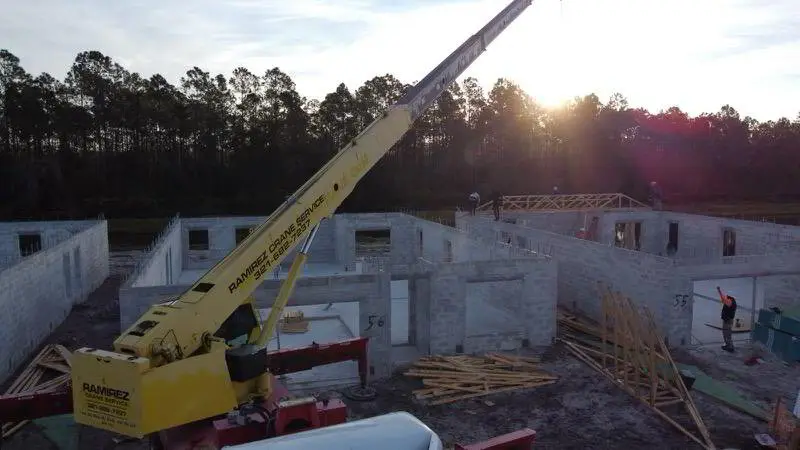
The Port of Baltimore anchors much of Maryland's heavy lifting, from cargo terminals and roll-on/roll-off operations to marine construction and dock repair. Along the redeveloped waterfront, mixed-use and high-rise jobs squeeze mobile and tower cranes into cramped city lots.
Farther south, the suburbs near Washington, D.C. see steady federal, institutional and commercial construction. Hospitals and universities across the state expand on occupied campuses, which puts a premium on lift planning and communication. Bridge and highway work over Chesapeake Bay tributaries brings barge-mounted cranes and wind exposure into the mix.
Those conditions make the ground crew as important as the operator. A dense site with limited sightlines depends on qualified signalpersons and riggers who can keep a load under control.
Bring Training to Your Maryland Site or Come to Seffner
When a contractor has a group needing cards, on-site delivery is usually the pick. We bring instructors to any Maryland yard or project, and our accredited practical examiners set up CCO practicals right there, letting your people learn and test where they already work.
If you are signing up as an individual, the scheduled classes meet at 10929 E. US-92 in Seffner, Florida. The building hosts a CCO written session monthly, and mobile crane prep fills one Friday-to-Monday stretch each month as well. Marylanders generally land at Tampa International and book a room at a nearby hotel offering our student rate.
What a Prep Weekend Looks Like for Maryland Operators
Experienced operators who travel to Seffner for certification usually attend the monthly mobile crane prep block. The pattern never changes — Friday is practical exam day, the weekend is spent in review, and the written tests happen Monday morning. Need to knock the rust off? Hour-long practice blocks can be reserved for that Thursday.
That compressed format suits Maryland operators who cannot leave a project for weeks at a time. It is not a beginner course, though. Someone who has never operated a crane should budget for a multi-week course.
When the same prep is delivered on-site, we adapt the schedule to your shifts and equipment while keeping the same exam-focused content.
Selecting Courses for Maryland Contractors
Operators
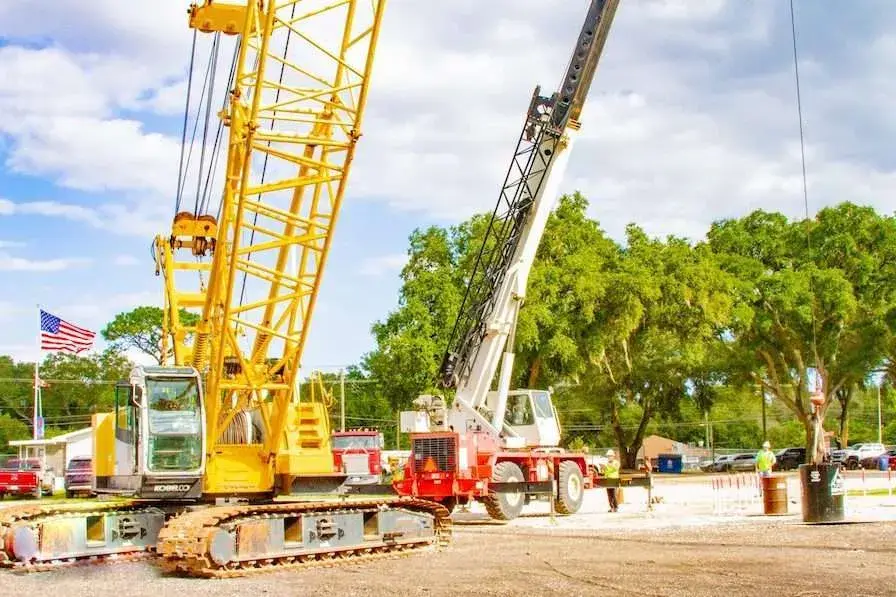
Operators already working telescopic or lattice machines should begin with mobile crane certification prep, built around the TSS, TLL and LAT written and practical tests.
Signalpersons on congested sites
Urban and campus work leaves operators lifting blind more often than they would like. Ground crews learn standard hand and voice signals and get ready for NCCCO's Signalperson exams in our signalperson course.
Project managers and superintendents
Supervisors overseeing cranes can take our Managing Crane Safety class, which deals with OSHA and industry compliance, planning lifts, inspections and liability. Read it alongside our post on best practices for running a safe crane program.
Recertification and Long-Term Growth
NCCCO certifications run for five years. Sign up for renewal prep in your card's last year; otherwise a busy season can leave you expired with a state requirement still hanging. Each step is laid out in our post on how NCCCO certification works.
Wage questions are best answered by the U.S. Bureau of Labor Statistics Occupational Employment and Wage Statistics for crane and tower operators (53-7021); it publishes state and metro estimates. As the mix of projects shifts, operators who keep adding lattice, rigging and signaling cards usually stay busier.