
What Gets Lifted Around Frederick
Frederick sits where the I-270 corridor meets the farmland and ridges of western Maryland, and its construction work reflects both. Life-science and lab buildings, distribution warehouses, school and county projects, and agricultural structures all show up on the same contractors' schedules. Winters bring snow and freezing ground, which affects setup and outrigger support.
That variety is why crane certification training in Frederick, MD works best when it is matched to each worker's equipment rather than handed out as a single course. A framing crew's telehandler operator and a steel erector's crane operator face different exams, and neither should sit through material that does not apply to the machine they run.
Good Fits for Frederick Contractors
Telehandlers on warehouse and residential sites
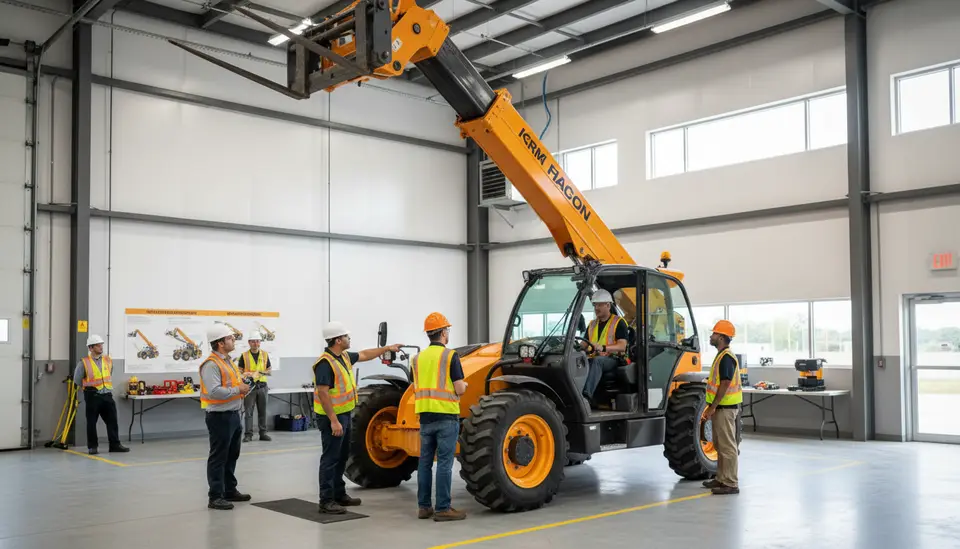
Many general contractors here lean on rough-terrain telehandlers for framing, roofing and material placement. The telehandler operator program prepares operators for the NCCCO THO written and practical exams.
Mobile cranes on commercial work
Experienced operators who set steel, precast or rooftop units should look at mobile crane certification prep. If you are starting from zero, the initial training program is the better door in.
Rigging and signaling
Tilt-up panels and lab equipment are unforgiving loads. Rigger and signalperson programs give the ground crew a clear standard to work from.
Two Ways to Train From Frederick
Our only training center is in Seffner, Florida, east of Tampa. We do not keep a Maryland office, so Frederick-area employers choose between bringing training in and sending people out.
On-site training suits contractors with a yard and several people to certify. Instructors come to your location, teach on your machines, and accredited examiners can schedule NCCCO practical exams there.
Traveling to Seffner suits individuals or a single operator who needs to recertify. Open-enrollment programs run on a published training schedule, and CCO written exams are offered monthly at the Florida site. Students typically fly into Tampa International. The school has negotiated a rate with the Holiday Inn Express Tampa Fairgrounds; call the hotel and ask for The Crane School rate.
Planning a Training Day for Your Crew
A little preparation makes on-site sessions run smoother. Before our instructors arrive, decide which employees are testing on which crane types, confirm the equipment is in good working order, and set aside a level area large enough for the practical exam course. Make sure every candidate brings a government-issued photo ID.
It also helps to sort people by experience. An operator who has run a 40-ton hydraulic crane for a decade needs a different conversation than a laborer stepping into the seat for the first time. The prep course assumes experience; the initial mobile crane training builds it from the ground up over three or five weeks.
For general background on how the certification process works, our guide to becoming a certified crane operator walks through the steps. If you want a quick read on written-exam timing, remember that CCO written exams are offered every month in Seffner.
Licensing in Maryland
Maryland has state-level crane operator requirements in addition to OSHA, so confirm current rules with the state agency and NCCCO's state licensing information before you work there. Federal OSHA 1926.1427 still sets the baseline for construction crane operator certification.
To compare options across the state, visit our overview of crane training in Maryland.