A Port City That Runs on Lifting
The Port of Baltimore handles cargo ranging from containers to autos and heavy machinery, and every terminal depends on people who can move loads safely. Beyond the waterfront, the city's large hospital and university campuses, industrial plants along the harbor, and steady downtown redevelopment all bring cranes onto tight sites.
NCCCO crane training for Baltimore employers is rarely about one person. It usually means getting operators, riggers and signalpersons ready together, so each lift has a qualified team behind it.
Matching Programs to Baltimore Job Types
Terminal and industrial work
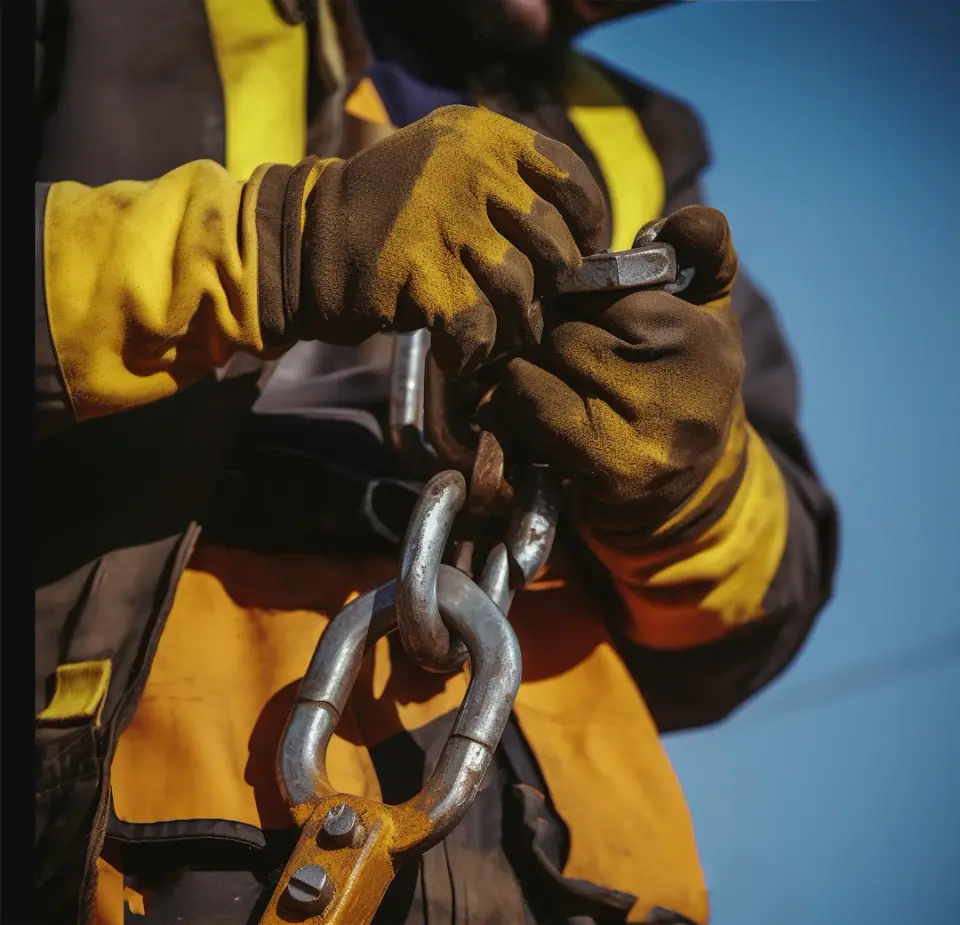
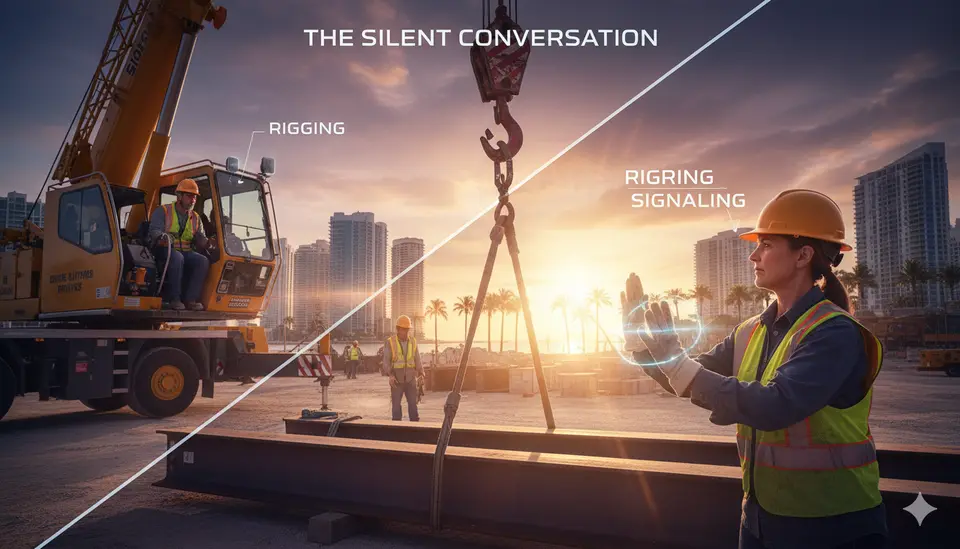
Heavy, irregular cargo and plant equipment put the rigging crew under pressure. Our rigger qualification and certification program prepares workers for NCCCO Rigger Level I and II exams, and pairs well with signalperson training for crews that work blind picks between stacks or around buildings.
Building and hospital construction
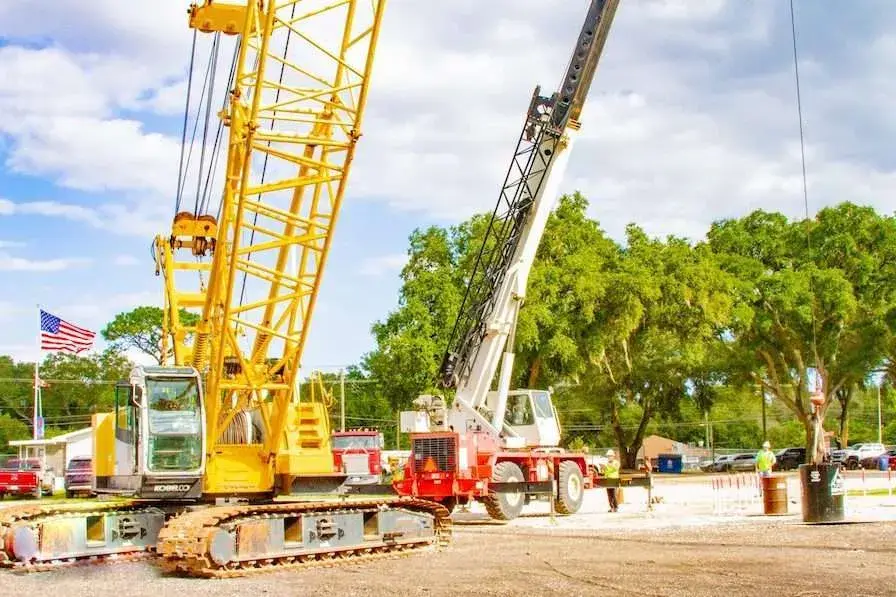
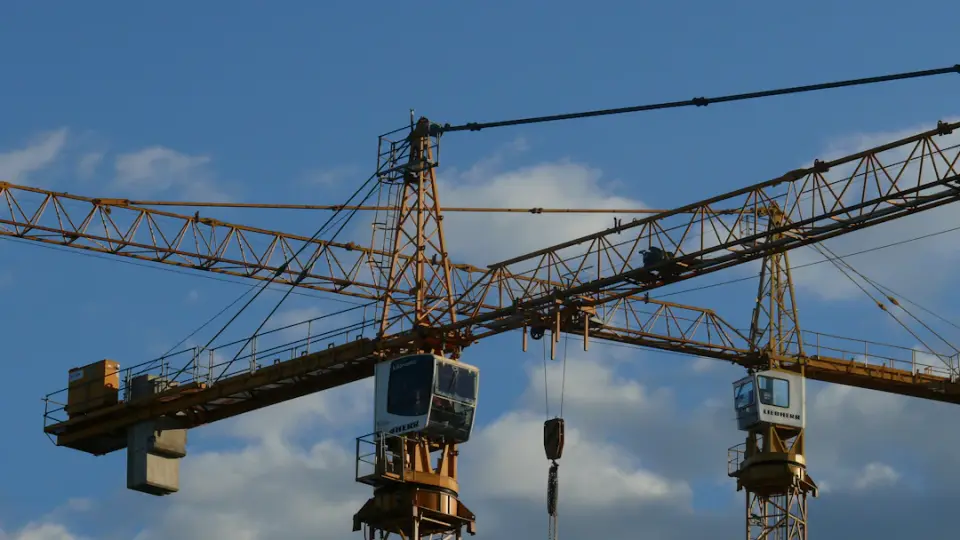
Telescopic and lattice boom cranes dominate commercial work. Seasoned operators usually need the mobile crane prep course; newer hands may need the 3- or 5-week initial mobile crane training first.
Supervisors
Project managers who plan lifts benefit from the Managing Crane Safety class, which covers OSHA responsibilities, lift planning and inspections.
How Delivery Works from Florida
The Crane School operates from a single training center in Seffner, Florida. There is no Baltimore classroom, but there are two good ways to train.
For companies with several employees, our instructors can come to your yard or plant and run classes there. Staff includes NCCCO-accredited practical examiners, so practical exams can be scheduled at your site as well, on equipment your people already know.
For individuals, the open-enrollment classes in Seffner are the simpler route. The mobile crane certification prep runs once a month, Friday through Monday, with practical exams Friday, classroom sessions Saturday and Sunday, and written exams Monday morning. Bring hard-toe boots, a hard hat, gloves, work clothes and a government-issued photo ID.
Common Questions From Baltimore Safety Managers
Safety managers at plants and terminals often ask whether in-house overhead or gantry crane operators fall under these programs. The NCCCO exams we prepare candidates for cover mobile, articulating and telehandler equipment, plus rigging and signaling, so check which certifications match the machines your people actually use.
Another frequent question is how to keep a crew certified over time. Because each CCO certification runs five years, staggered hire dates mean cards expire at different times. Keeping a simple roster of expiration dates lets you plan recertification in batches, which is where an on-site session pays off, since several operators can renew in the same few days without leaving the region. If you also need equipment checked, our crane inspection services are delivered by NCCCO-certified inspectors and cover mobile, tower, overhead and articulating cranes.
New hires with no seat time are a separate case. They are better served by the initial program than by an exam-prep weekend, because the prep course assumes real operating experience.
State Rules on Top of OSHA
Maryland has state-level crane operator requirements in addition to OSHA. Confirm current rules with the state agency and NCCCO's state licensing information before you work there. Federal requirements in OSHA's cranes and derricks standard (opens in a new tab) apply to construction work as well.
For a statewide view of training options, see our Maryland NCCCO prep page.