Start with Nevada's state rules
Before anyone books a class, it helps to know that Nevada has state-level crane operator requirements in addition to OSHA. Check with Nevada's regulators, and look over NCCCO's state-by-state licensing notes, so you know what's in force today before the first lift. Whatever Nevada adds, the federal certification rule in 29 CFR 1926.1427 continues to cover construction jobs.
Our part in all of this is narrow: we get operators ready to pass the exams given by the National Commission for the Certification of Crane Operators (NCCCO). We provide crane operator training in Carson City, NV by sending instructors to an employer's site, or by hosting candidates at our Seffner, Florida yard. We do not have a Nevada office.
Keeping those two layers separate avoids confusion. A CCO card shows that someone passed both the knowledge test and the hands-on test for one particular type of crane. Any state credential is a separate matter that you handle with Nevada directly, and it is worth sorting out before a project starts rather than after an inspector asks.
Public works and utility lifting in the capital
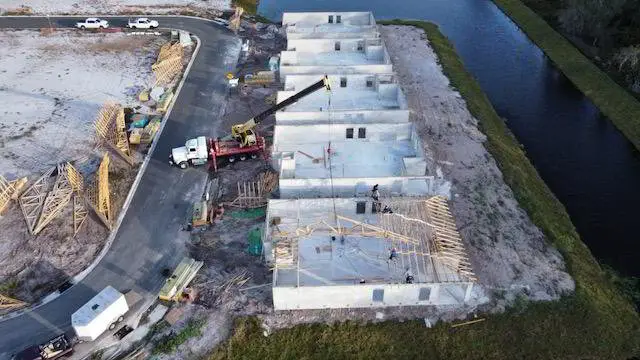
Carson City is the state capital, tucked against the eastern slope of the Sierra Nevada. Much of the lifting work here supports government buildings, public works, road projects, utilities and the commercial and residential growth spreading into the surrounding valleys.
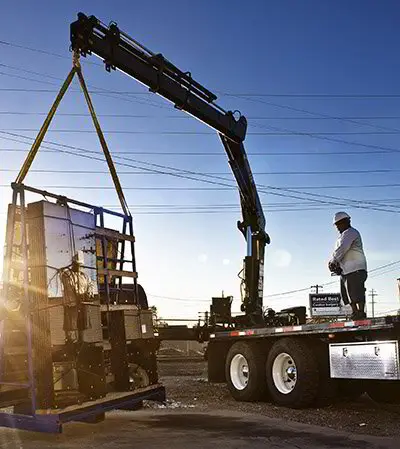
Those jobs lean heavily on boom trucks, small hydraulic cranes and telehandlers. Because city and utility crews spend their days placing pumps, poles, vaults and precast sections, many pair mobile crane prep with our knuckle boom certification course or the THO telehandler program.
In a small public works department, job assignments shift a lot. One week someone runs the boom truck, the next week they rig or signal for a contractor's crane. Cross-training a few employees means vacations and sick days don't stall a lift, and everyone follows the same safe practices regardless of who's operating that day.
Mountain weather on the lift plan
Working near the Sierra means wind that can pick up quickly in the afternoon, cold mornings much of the year and snow in winter. Elevation and temperature swings also affect equipment and the people running it.
Our instructors cover wind limits, load chart use and ground conditions as practical skills, not just test answers. Crews who regularly face changing conditions may also want to read our notes on crane safety in extreme weather before class.
Short days in winter also compress the working window. For on-site sessions in Carson City, aim for spring or fall, when outdoor practice is least likely to be disrupted.
How Carson City crane operator training comes together
On-site for agencies and contractors
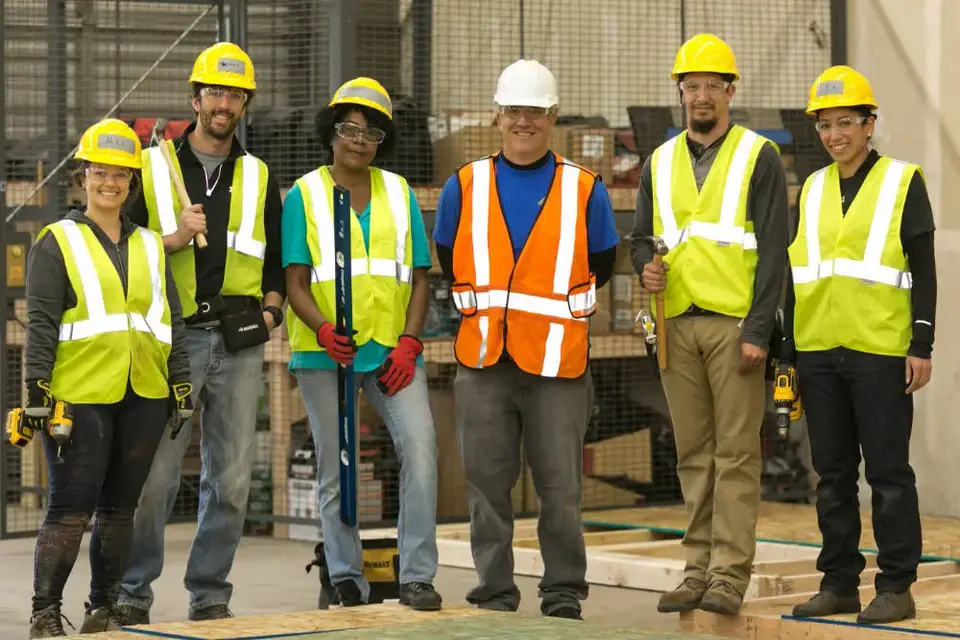
When a public agency or contractor has several people to certify, an instructor travels to the site with the program. Your crew learns on its own machines, and our accredited NCCCO practical examiners can set up testing right in town.
Open enrollment in Florida
Individual operators, or companies with just one or two candidates, can attend scheduled classes in Seffner. Each month brings a Friday-to-Monday mobile crane prep session, and Seffner holds CCO written testing on a monthly basis too.
Bringing supervisors along
Project managers and safety staff fit well in Managing Crane Safety, a course that looks at inspections, lift planning, compliance and accountability through a supervisor's eyes.
Choosing a starting point
If you already know how to run a crane and simply need the card, go with certification prep. Newer operators need the initial mobile crane training course instead, held full-time in Seffner over three or five weeks. Adding rigger and signalperson certification for the ground crew keeps operators and helpers working from one set of signals and practices.
For more about statewide options, visit our Nevada crane certification page. Once you know who needs what, tell us about your team and we'll recommend an approach.